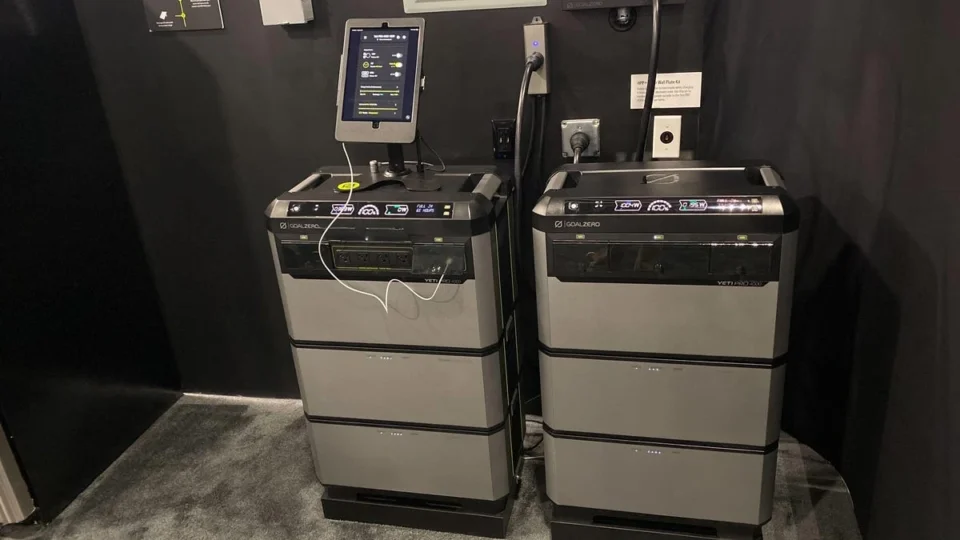
Whole House Battery Backup Cost Without Solar

Whole house battery backup cost without solar has become a hot topic for homeowners seeking reliable power during outages. Whether you live in an area prone to hurricanes, wildfires, or winter storms, a standalone battery system can keep your lights on without requiring solar panels on your roof. The investment ranges widely depending on your home size and energy needs, with typical systems running anywhere from $10,000 for essential backup to $90,000 or more for large all-electric homes.
What Is a Standalone Battery Backup System?
A standalone battery backup system stores electricity from the grid during normal operation and automatically switches to battery power when the grid goes down. Unlike solar-connected systems, these units charge exclusively from your utility connection, making them ideal for homeowners who want backup power without the complexity or upfront cost of solar panel installation. Modern systems can detect outages within milliseconds and transition so smoothly that you might not even notice the power went out.
These systems work particularly well for time-of-use rate optimization. You can charge your batteries during off-peak hours when electricity is cheapest, then use stored power during expensive peak rate periods. This strategy alone can save $20 to $50 monthly on utility bills, helping offset the initial investment over time.
Breaking Down the Real Costs in 2025
Understanding whole house battery backup cost without solar requires looking beyond just the battery itself. According to current market data, the median cost sits around $1,037 per kilowatt-hour of storage capacity. However, your total investment depends on several factors including system size, installation complexity, and regional labor rates.
1. Cost by System Size
Home battery systems scale dramatically based on how much of your home you want to power and for how long. Smaller systems covering just the essentials cost significantly less than whole-home solutions designed to run everything including central air conditioning. The following breakdown shows typical installed costs before any federal tax credits or local incentives are applied.
| System Goal | Usable Storage | Typical Power Output | Installed Cost (Before Incentives) |
|---|---|---|---|
| Essential loads only | 10-20 kWh | 5-8 kW | $10,000-$20,000 |
| Whole-home (moderate) | 20-40 kWh | 8-15 kW | $20,000-$45,000 |
| Whole-home (large/all-electric) | 40-80+ kWh | 15-25+ kW | $45,000-$90,000+ |
For perspective, a typical 13.5 kWh system suitable for essential loads like refrigerators, lights, and internet costs approximately $13,000 to $15,500 before incentives. After applying the 30% federal tax credit, that drops to roughly $9,100 to $10,850.
2. What You’re Actually Paying For
The battery unit itself represents only 50 to 60 percent of your total system cost. Here’s how the expenses break down:
- Battery Unit: This is the largest single expense, with prices varying dramatically by manufacturer. Budget-friendly options like Pytes USA run about $651 per kWh, while premium brands like Enphase command $1,510 per kWh. The popular Tesla Powerwall 3 falls in the middle at approximately $1,065 to $1,200 per kWh.
- Installation Labor: Professional installation typically runs $2,000 to $4,000 depending on your location, electrical panel proximity to the battery location, and whether indoor or outdoor mounting works best for your property.
- Gateway and Controllers: These essential components manage power flow between your home, the battery, and the grid. Expect to pay $1,000 to $2,000 for this equipment.
- Electrical Upgrades: Many homes need panel upgrades to handle battery integration, adding $2,000 to $5,000 to the project. Older homes or those with limited electrical capacity face the highest upgrade costs.
- Permits and Inspections: Local authorities require permits for battery installations, typically costing $200 to $800 depending on your jurisdiction.
Popular Battery Brands and Their Pricing
The market offers several reliable options for standalone battery installations, each with distinct advantages and price points.
1. Tesla Powerwall 3
The Tesla Powerwall 3 remains the most recognized name in home batteries, costing between $15,300 and $16,200 before taxes and incentives for a single 13.5 kWh unit. With installation included, most homeowners pay $16,500 to $18,000 total. Tesla offers expansion units at $5,900 each for homes needing additional capacity, plus a “Next Million Powerwall” rebate taking $500 off single units or $1,000 off multi-unit systems.
2. Enphase IQ Battery 5P
Enphase takes a modular approach with 5 kWh units that can be stacked for larger capacity. Individual units cost $8,000 to $10,000 installed, making them pricier per kWh than Tesla but offering flexibility for gradual system expansion. The IQ Battery 5P uses lithium iron phosphate chemistry, which performs exceptionally well in hot climates.
3. LG ESS Home 8
LG’s offering provides 14.4 kWh of storage with 7 kW continuous power output. Known for reliability and backed by a solid 10-year warranty, these systems typically run $12,000 to $14,000 installed. The brand recognition and established service network appeal to homeowners wanting proven technology.
4. Budget Alternatives
Companies like Pytes USA offer more affordable options at roughly $651 per kWh, though these may lack the sophisticated monitoring and integration features of premium brands. For homeowners prioritizing basic backup power over smart features, these alternatives can reduce costs significantly.
Federal Tax Credits and Available Incentives
The financial picture improves considerably when you factor in available incentives. The federal Investment Tax Credit offers 30% off your total battery system cost through December 31, 2025. This credit applies to standalone batteries with minimum 3 kWh capacity and covers both equipment and installation costs.
Here’s how the math works for a typical installation:
| System Size | Cost Before Credit | 30% Federal Credit | Your Final Cost |
|---|---|---|---|
| 10 kWh | $10,000-$12,000 | $3,000-$3,600 | $7,000-$8,400 |
| 13.5 kWh | $13,000-$15,500 | $3,900-$4,650 | $9,100-$10,850 |
| 20 kWh | $18,000-$22,000 | $5,400-$6,600 | $12,600-$15,400 |
| 27 kWh (2 batteries) | $24,000-$30,000 | $7,200-$9,000 | $16,800-$21,000 |
Beyond federal incentives, several states and utilities offer additional rebates. California’s Self-Generation Incentive Program provides substantial rebates for energy storage, while Texas homeowners benefit from property tax exemptions on the added home value from battery systems. Some utilities like Austin Energy offer up to $2,500 in rebates, and CPS Energy in San Antonio provides bill credits when your battery supports grid events.
Battery Backup vs Generator: The Cost Comparison
Many homeowners weighing whole house battery backup cost without solar naturally compare it to traditional generator options. Understanding the full financial picture helps make the right choice for your situation.
1. Upfront Investment Comparison
Many homeowners weighing whole house battery backup cost without solar naturally compare it to traditional generator options. Understanding the full financial picture helps make the right choice for your situation.
| System Type | Cost Range |
|---|---|
| Battery backup (13.5 kWh) | $9,800-$14,000 after incentives |
| Portable generator (3-5 kW) | $500-$1,500 |
| Standby generator (10-20 kW) | $5,000-$15,000 |
Generators appear cheaper initially, but the comparison changes when you factor in long-term costs. A natural gas generator setup totaling $12,000 upfront plus $12,000 in maintenance and $2,400 in fuel over 20 years costs roughly $26,400 total. A comparable battery system at $35,000 initial cost minus $10,500 in tax credits nets out to $24,500 with virtually no ongoing fuel or maintenance expenses.
2. Operational Differences
Battery systems operate silently, produce zero emissions, and require minimal maintenance beyond occasional software updates. They switch to backup power in under half a second, fast enough that computers and electronics continue running uninterrupted. Generators take 10 to 30 seconds to start, generate 60 to 80 decibels of noise comparable to a lawn mower, and require regular oil changes, filter replacements, and fuel storage management.
However, generators offer unlimited runtime with adequate fuel supply, while batteries eventually deplete without recharging. For areas with frequent multi-day outages and unreliable fuel delivery, generators maintain an advantage. For typical outages lasting hours to a day or two, batteries provide cleaner, quieter, and more convenient backup power.
Hidden Costs to Consider
Even after budgeting for the system itself, several additional expenses can affect your total investment:
- Annual Maintenance Reserve: While minimal, budgeting $150 to $350 annually covers monitoring services and potential inverter replacements down the line.
- Electrical Panel Upgrades: Homes with older 100-amp panels often need upgrades to 200-amp service, adding $2,000 to $5,000.
- Installation Complexity: Mounting batteries indoors versus outdoors, running conduit long distances, or working around existing landscaping can increase labor costs.
- Utility Interconnection Fees: Some utilities charge fees for connecting battery systems to the grid, though these typically run under $500.
How Long Do Home Batteries Last?
Battery lifespan affects the overall value equation. Most lithium-ion systems last 10 to 15 years, while lithium iron phosphate (LFP) batteries can extend to 15 to 20 years. Manufacturers typically offer 10-year warranties guaranteeing at least 70 percent capacity retention.
Runtime during outages depends entirely on your usage. A 30 kWh system powering a 3 kW average load lasts about 10 hours, but only 3 hours at 10 kW average draw. Your heating and cooling systems typically consume the most power, so managing thermostat settings during outages dramatically extends battery life.
Is a Standalone Battery System Worth the Investment?
Determining whether whole house battery backup cost without solar makes sense depends on your specific situation. Consider these factors:
Choose Battery Backup If:
- You experience frequent short outages (under 24 hours)
- You value silent, emission-free operation
- Your utility offers time-of-use rates you can exploit
- You want automatic operation without manual intervention
- You plan to add solar panels in the future
Consider Alternatives If:
- Your budget is strictly limited (portable generators cost far less)
- You face frequent multi-day outages with unreliable grid restoration
- You need to power large central air conditioning units continuously
- Fuel storage and delivery pose no logistical challenges
Planning Your Battery Installation
Before committing to a system, take these steps to ensure you get appropriate capacity at a fair price:
- Calculate Your Load: List essential circuits you want powered during outages. Include refrigerators, freezers, lights, internet equipment, medical devices, and any heating or cooling you can’t live without. Add up their wattage to determine your power needs.
- Get Multiple Quotes: Prices vary significantly between installers. Obtain at least three quotes from certified installers in your area, ensuring each specifies the same capacity and features for accurate comparison.
- Verify Incentive Eligibility: Confirm which federal, state, and utility incentives apply to your installation. Some programs have capacity minimums, income restrictions, or application deadlines you need to meet.
- Plan for Expansion: If budget constraints limit your initial installation, choose a modular system allowing future battery additions. Starting with essential loads and expanding later often works better than overextending financially upfront.
Frequently Asked Questions (FAQ)
Homeowners researching whole house battery backup cost without solar often have similar questions about incentives, sizing, and functionality. Understanding how these systems work without solar panels, what financial benefits remain available, and how to properly size your installation helps you make an informed decision. Many people wonder whether they can still claim tax credits, how much they will actually save on monthly bills, and whether batteries provide genuine protection during extended outages. Others need clarity on expansion possibilities and compatibility with future solar additions. Getting clear answers to these common concerns ensures you invest in the right capacity for your specific needs while taking full advantage of available programs and rebates.
1. Can I install a battery system without solar panels and still get the tax credit?
Yes, absolutely. The 30% federal tax credit applies to standalone battery systems with minimum 3 kWh capacity through December 31, 2025. You do not need solar panels to qualify.
2. How much can I save on electricity bills with a standalone battery?
Time-of-use arbitrage typically saves $20 to $50 monthly by charging during cheap off-peak hours and discharging during expensive peak periods. Actual savings depend on your utility’s rate structure and your consumption patterns.
3. What size battery do I need for whole-house backup?
Most homes require 20 to 40 kWh for adequate whole-house backup during typical outages. Essential loads only (refrigerator, lights, internet) often suffice with 10 to 15 kWh. Large all-electric homes with central air conditioning may need 40 to 80 kWh.
4. Do batteries work during power outages?
Yes, home batteries automatically detect outages and switch to backup power within milliseconds. Your home operates normally on stored battery power until grid service returns or the battery depletes.
5. Can I add solar panels to my battery system later?
Most modern battery systems accommodate future solar panel additions. When planning your installation, inform your installer of potential solar expansion so they can specify compatible inverters and capacity.
Making the Right Choice for Reliable Home Power
Whole house battery backup cost without solar represents a significant investment, but for many homeowners, the peace of mind and potential utility savings justify the expense. With systems ranging from $10,000 for essential backup to $45,000 or more for comprehensive whole-home protection, there’s likely a solution fitting your budget and needs. Factor in the 30% federal tax credit available through 2025, and the financial picture becomes even more attractive.
Before making your decision, assess your actual power needs during outages, research available incentives in your area, and obtain multiple quotes from qualified installers. A well-planned battery system provides silent, clean, automatic backup power for years to come, keeping your home running smoothly regardless of what happens to the grid.