Smart Grid Energy Management Software for Homes

Smart grid energy management software for homes is transforming how homeowners control, monitor, and optimize their electricity consumption. This innovative technology bridges the gap between your household energy usage and the broader electrical grid, allowing you to save money, reduce your carbon footprint, and gain unprecedented control over your power consumption. Whether you’re looking to cut utility bills, integrate solar panels and battery storage, or simply understand where your electricity goes each month, residential smart grid solutions offer powerful tools that were once only available to large industrial facilities. In this comprehensive guide, we’ll explore everything you need to know about these systems, from how they work to choosing the right platform for your specific needs.
What Is Smart Grid Energy Management Software
Smart grid energy management software for homes refers to digital platforms that connect your household electrical systems with intelligent grid infrastructure. These applications go far beyond simple monitoring; they actively analyze your energy patterns, communicate with utility providers, and automate decisions about when and how you use electricity.
1. How Home Energy Management Systems Connect to the Smart Grid
Your home energy management system acts as a central brain that coordinates multiple devices and data streams. The software collects real-time information from smart meters, appliances, solar inverters, battery storage units, and even electric vehicle chargers. It then processes this data to make intelligent decisions about energy consumption. For example, the system might automatically run your dishwasher during off-peak hours when electricity rates are lowest, or it might draw power from your home battery during expensive peak demand periods. This bidirectional communication between your home and the utility grid creates a dynamic relationship that benefits both you and the broader electrical infrastructure.
2. Key Features That Define Quality Energy Management Platforms
Modern residential energy management solutions typically include several core capabilities that set them apart from basic monitoring apps. Advanced load forecasting predicts your future energy needs based on historical patterns and weather data. Demand response functionality allows your utility to temporarily reduce your consumption during grid stress events, often providing bill credits in exchange. Real-time pricing integration enables the software to automatically shift energy-intensive tasks to cheaper time periods. Additionally, many platforms offer detailed appliance-level monitoring through non-intrusive load monitoring or smart circuit breakers, showing you exactly which devices consume the most power. These features work together to create a comprehensive optimization engine that continuously works to minimize costs and maximize efficiency.
Why Homeowners Are Adopting Smart Grid Solutions
The growing popularity of smart grid energy management software for homes stems from tangible benefits that address multiple homeowner concerns simultaneously. Rising electricity rates, increasing environmental awareness, and the proliferation of distributed energy resources like rooftop solar have created perfect conditions for these technologies to thrive.
1. Financial Savings and Bill Reduction Strategies
Homeowners consistently report significant reductions in their monthly electricity bills after implementing smart grid management systems. The savings come from several mechanisms working together. Time-of-use optimization ensures you purchase electricity when prices are lowest, which can reduce costs by 20-40% in areas with variable pricing. Peak demand shaving prevents your home from simultaneously running multiple high-draw appliances, avoiding expensive demand charges that some utilities impose. Automated scheduling moves flexible loads like water heaters, pool pumps, and EV charging to off-peak hours without requiring manual intervention. Over a typical year, these automated adjustments often save households between $500 and $2,000 depending on local electricity rates, home size, and energy consumption patterns.
2. Environmental Impact and Sustainability Benefits
Beyond financial considerations, smart grid energy management software for homes plays a crucial role in reducing residential carbon emissions. By optimizing when you use electricity, these systems increase the likelihood that your power comes from cleaner sources. Renewable energy integration features coordinate your consumption with periods of high solar or wind generation on the grid. Some advanced platforms even provide carbon intensity forecasts, allowing you to delay discretionary energy use until the grid is running on cleaner power. For homes with rooftop solar and battery storage, the software maximizes self-consumption of clean energy rather than exporting it to the grid, effectively increasing your home’s renewable energy utilization rate by 30-50% compared to unmanaged systems.
3. Grid Reliability and Emergency Resilience
Smart grid connectivity enhances your home’s resilience during power outages and grid instability events. When integrated with battery storage and smart inverters, energy management software can island your home from the grid during outages, providing seamless backup power to critical circuits. During widespread emergencies, these systems help prevent grid collapse by automatically reducing non-essential loads. Some utilities offer enhanced incentives for homes that participate in these grid services, creating additional revenue streams for homeowners while supporting community reliability. The software also provides early warnings about potential outages and estimated restoration times, keeping you informed during weather events or equipment failures.
Core Technologies Behind Home Energy Management
Understanding the technical foundation of smart grid energy management software for homes helps you evaluate different platforms and appreciate how these systems deliver their benefits. Several interconnected technologies work together to create the seamless experience modern homeowners expect.
1. Smart Meters and Advanced Metering Infrastructure
The smart meter serves as the primary data collection point for most residential energy management systems. Unlike traditional meters that only track total monthly consumption, smart meters record usage in intervals as short as every few seconds. This granular data reveals patterns invisible to conventional billing systems, such as startup surges from air conditioners or standby power from entertainment systems. Advanced Metering Infrastructure (AMI) creates the communication network that transmits this data between your home, the utility, and your energy management software. The two-way communication capability of AMI also enables remote service connections, outage detection, and dynamic pricing signals that software platforms can act upon automatically.
2. Internet of Things and Home Automation Integration
Modern energy management platforms function as central hubs for diverse Internet of Things devices throughout your home. Smart thermostats, intelligent water heaters, connected appliances, and lighting systems all communicate with the central software through protocols like Wi-Fi, Zigbee, Z-Wave, or Thread. This integration allows the energy management system to orchestrate complex sequences of operations. For instance, when the software detects that electricity prices have dropped, it might simultaneously lower the thermostat to pre-cool the house, start the electric dryer, and begin charging your EV. The more devices you connect, the more optimization opportunities become available, creating a network effect that increases savings over time.
3. Artificial Intelligence and Machine Learning Capabilities
The most sophisticated smart grid energy management software for homes incorporates artificial intelligence to improve performance continuously. Machine learning algorithms analyze years of consumption data to predict your future energy needs with remarkable accuracy. These predictions enable proactive rather than reactive management, preparing your home’s systems before conditions change. AI also identifies anomalies that might indicate failing appliances or energy waste, alerting you to maintenance needs before they become expensive problems. Natural language processing capabilities in some platforms allow you to interact with your energy system through voice commands, asking questions about current consumption or instructing the system to prioritize certain devices during peak rate periods.
Choosing the Right Energy Management Platform
With numerous options available, selecting the appropriate smart grid energy management software for homes requires careful consideration of your specific situation, goals, and existing infrastructure. Not all platforms offer the same capabilities, and the best choice depends on factors ranging from your local utility’s programs to your technical comfort level.
1. Compatibility with Your Utility and Local Programs
Before evaluating specific software features, verify which platforms work with your local utility’s smart grid programs. Many utilities partner with specific vendors or maintain approved device lists for their demand response and time-of-use rate programs. Some regional grids have specific technical requirements for participation in grid services that not all software supports. Contact your utility or check their website for lists of compatible energy management systems. Also investigate available incentives; many utilities offer rebates or bill credits for installing approved platforms, potentially offsetting a significant portion of your upfront costs. The value of these programs often exceeds the software subscription fees, making participation financially advantageous.
2. Integration with Your Existing and Planned Equipment
Evaluate how prospective platforms connect with devices you already own or plan to purchase. If you have a specific smart thermostat brand, solar inverter model, or battery storage system, ensure your chosen energy management software supports direct communication with these devices. Some platforms excel at integrating with particular ecosystems; for example, certain software works exceptionally well with Tesla Powerwall batteries, while others specialize in comprehensive solar plus storage optimization. Consider your future plans as well. If you intend to purchase an electric vehicle within the next few years, choose a platform with robust EV charging management features even if you don’t need them immediately. This forward-thinking approach prevents the need to switch platforms later.
3. User Interface and Control Preferences
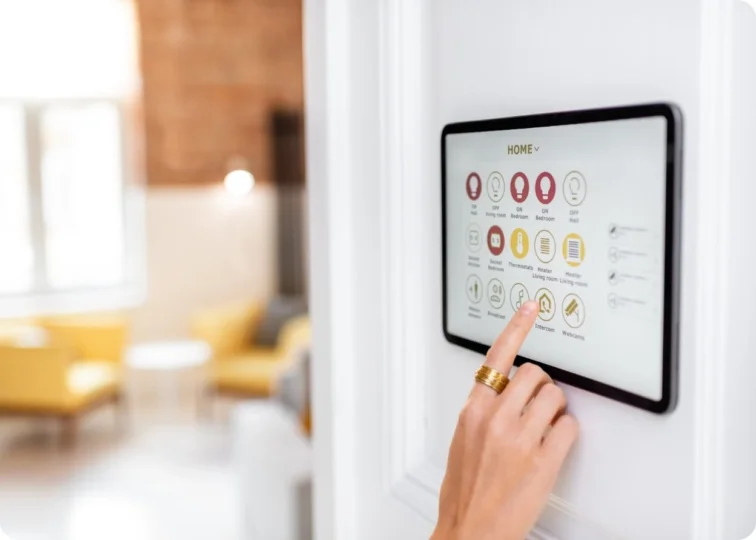
The effectiveness of smart grid energy management software for homes depends partly on how comfortable you are interacting with the platform. Some homeowners prefer highly automated systems that require minimal attention, while others want granular control and detailed data visualization. Evaluate the mobile apps and web interfaces of prospective platforms to see which match your preferences. Look for clear presentation of key metrics like current power consumption, daily costs, and battery status. Consider whether you want local control capabilities that function during internet outages, or if cloud-based management meets your needs. Reading user reviews specifically focused on interface usability can reveal issues not apparent in marketing materials, such as confusing navigation or slow app performance.
Implementation and Setup Process
Deploying smart grid energy management software for homes involves several stages, from initial assessment through ongoing optimization. Understanding this process helps set realistic expectations and ensures you capture the full value of your investment.
1. Initial Home Energy Assessment and System Design
Professional installation typically begins with a comprehensive energy audit of your home. Technicians examine your electrical panel, identify major loads, and assess your current consumption patterns. They evaluate solar potential if you’re considering panel installation, and determine optimal locations for any required hardware like smart panels or battery systems. Based on this assessment, they design a customized configuration that addresses your specific goals, whether that’s maximizing solar self-consumption, minimizing time-of-use electricity costs, or ensuring backup power during outages. This design phase should include clear projections of expected savings and performance metrics, allowing you to evaluate whether the proposed system meets your financial targets.
2. Installation and Configuration Timeline
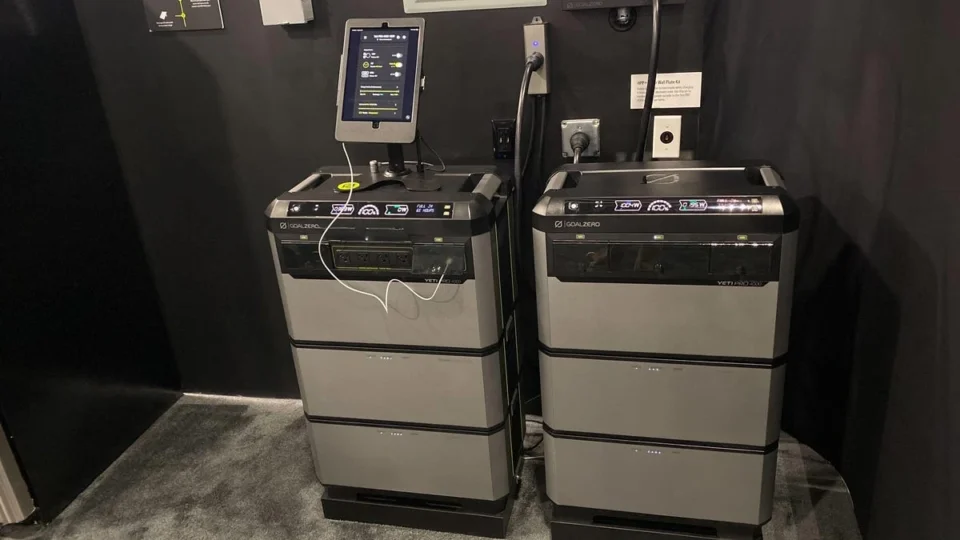
The physical installation of hardware components usually takes one to three days depending on system complexity. Electricians install smart circuit breakers or current sensors in your electrical panel, set up any battery storage units, and configure communication gateways that connect your home to the software platform. Following hardware installation, technicians configure the software parameters, connecting your account to utility data feeds and setting up automation rules based on your preferences. They should provide thorough training on using the mobile app and web interface, showing you how to monitor performance, adjust settings, and interpret the data presented. Most reputable installers include a follow-up visit or call after the first month to fine-tune settings based on initial performance data.
3. Ongoing Monitoring and Optimization
After installation, smart grid energy management software for homes requires periodic attention to maintain optimal performance. While the systems operate automatically, reviewing monthly reports helps you understand trends and identify opportunities for additional savings. Many platforms release software updates that add features or improve algorithms, so keeping your system updated ensures access to the latest capabilities. As your household changes, whether through new appliance purchases, shifted work schedules, or family member additions, updating your energy profile in the software maintains optimization accuracy. Some homeowners choose to work with energy coaches or ongoing technical support services, particularly in the first year, to maximize their learning and savings.
Common Challenges and How to Address Them
Despite their benefits, implementing smart grid energy management software for homes can present obstacles that frustrate some homeowners. Anticipating these challenges and knowing how to address them ensures a smoother experience and better long-term outcomes.
1. Connectivity and Communication Issues
Reliable internet connectivity forms the backbone of effective energy management systems. Intermittent Wi-Fi can cause delayed commands, inaccurate reporting, and missed opportunities for price-based optimization. Hardwired Ethernet connections to critical components like battery inverters provide more stable communication than wireless alternatives. For homes in areas with unreliable internet, consider platforms that offer local control capabilities and store data locally during outages, synchronizing with cloud services once connectivity returns. Some advanced systems include cellular backup modules that maintain essential functions even during extended internet outages. If you experience persistent connectivity problems, powerline communication adapters or mesh network extenders often resolve coverage issues in larger homes.
2. Complex Rate Structures and Optimization Confusion
Utilities increasingly offer complex electricity rate structures with multiple pricing tiers, demand charges, and seasonal variations that confuse both homeowners and basic energy management systems. Ensure your chosen software fully supports your specific rate plan, including any nuances like weekend pricing differences or holiday schedules. Request documentation showing how the platform handles your rate structure, and verify that savings projections account for all applicable charges. Some homeowners find value in working with energy consultants who specialize in their local utility’s programs, ensuring their system configuration maximizes available benefits. Regularly reviewing your electricity bills against the software’s predictions helps catch any misconfigurations early.
3. Device Compatibility and Ecosystem Limitations
The fragmented nature of smart home technology means not all devices communicate seamlessly with every energy management platform. You might discover that your preferred smart water heater lacks integration with your chosen software, or that your solar inverter uses a proprietary protocol that limits functionality. Before purchasing new appliances or energy devices, verify compatibility with your existing energy management ecosystem. When incompatible devices are unavoidable, intermediary hubs or protocol translators sometimes bridge communication gaps. Some homeowners maintain separate control systems for different device categories, though this approach sacrifices some optimization potential. The industry is gradually moving toward standardized communication protocols like Matter, which promises improved interoperability in future generations of devices.
Future Trends in Residential Energy Management
The landscape of smart grid energy management software for homes continues evolving rapidly, with emerging technologies and policy changes promising even greater capabilities and value for homeowners. Understanding these trends helps you make forward-compatible decisions when selecting current systems.
1. Vehicle-to-Grid Integration and Bidirectional Charging
Electric vehicles are transitioning from mere loads to active grid participants through vehicle-to-grid technology. Future energy management platforms will treat EVs as mobile battery storage units, discharging power back to your home or the grid during peak demand periods. This capability effectively turns your car into a revenue-generating asset that participates in grid services markets. Software platforms are developing sophisticated algorithms that balance your transportation needs against grid service opportunities, ensuring your vehicle maintains sufficient charge for planned trips while maximizing earnings from grid participation. Early implementations of this technology are already available in some regions, with broader rollout expected as more EV models support bidirectional charging.
2. Peer-to-Peer Energy Trading and Virtual Power Plants
Blockchain and distributed ledger technologies enable new models where homeowners trade electricity directly with neighbors rather than solely through utilities. Smart grid energy management software for homes will increasingly incorporate marketplace features that allow you to sell excess solar generation to nearby consumers at rates more favorable than utility export credits. Virtual power plant programs aggregate thousands of homes into coordinated resources that utilities or grid operators can dispatch like traditional power plants. These programs offer substantial participation payments, with some homeowners earning thousands of dollars annually by allowing their batteries and flexible loads to be remotely controlled during grid events. Software platforms serve as the interface between individual homes and these aggregation programs, handling enrollment, dispatch responses, and payment distribution.
3. Enhanced Predictive Capabilities and Autonomous Operation
Artificial intelligence advancements will make home energy management increasingly autonomous and predictive. Future systems will anticipate your energy needs based on calendar integration, weather forecasts, and learned behavioral patterns, preparing your home’s systems before you explicitly request changes. Integration with smart home ecosystems will enable context-aware decisions; for example, the system might detect through your security cameras that you’re hosting a dinner party and temporarily suspend aggressive load-shifting to ensure guest comfort. Predictive maintenance capabilities will identify failing appliances before they break completely, scheduling repairs during convenient times and preventing emergency replacements. These advancements reduce the cognitive burden on homeowners while improving both savings and comfort outcomes.
Frequently Asked Questions (FAQ)
Homeowners exploring smart grid energy management software for homes often have specific questions about functionality, costs, and practical implementation. Here are answers to some of the most common inquiries.
1. How much does smart grid energy management software typically cost
The cost structure for residential energy management platforms varies significantly based on features and business models. Basic software-only solutions that work with existing smart meters and devices often charge monthly subscription fees ranging from $10 to $30. More comprehensive platforms that include hardware like smart panels or battery management systems may involve upfront equipment costs of $2,000 to $10,000 plus installation, sometimes with lower ongoing software fees. Many utilities offer rebates that cover 50-100% of costs for participating in demand response programs. When evaluating costs, consider the total cost of ownership over a 10-year period rather than just initial expenses, and compare against projected savings to calculate payback periods.
2. Can I install energy management software myself or do I need professional help
The installation requirements depend on the complexity of your chosen system and your electrical expertise. Software-only solutions that connect to existing smart devices can often be self-installed by tech-savvy homeowners following manufacturer guides. However, systems requiring electrical panel modifications, battery installation, or utility interconnection agreements typically require licensed electricians and professional certification. Attempting complex electrical work without proper qualifications creates safety hazards and may void equipment warranties or home insurance policies. Even for DIY-friendly platforms, professional energy assessments often reveal optimization opportunities that self-assessments miss, potentially improving your system’s performance significantly.
3. Will energy management software work with my older home and electrical system
Most homes can accommodate smart grid energy management software for homes with appropriate hardware adaptations. Older electrical panels may require upgrades to support smart breakers or monitoring equipment, but these upgrades often improve safety and capacity regardless of energy management needs. Homes without smart meters can sometimes use clamp-on current sensors that provide similar monitoring capabilities without utility involvement. The key factors are panel capacity, wiring condition, and space for additional equipment rather than home age specifically. Professional assessments can identify any necessary electrical upgrades and incorporate them into your overall project plan.
4. How quickly will I see savings after installing energy management software
Savings begin immediately for time-of-use optimization and automated scheduling features, with first-month bill reductions typically ranging from 10-25% depending on your previous consumption patterns and local electricity rates. More sophisticated benefits like demand charge avoidance or grid service participation payments may take several billing cycles to fully materialize as the system learns your patterns and utility programs process enrollments. Solar self-consumption optimization shows benefits immediately but improves over the first year as seasonal patterns become apparent to the algorithms. Most homeowners reach steady-state savings within six months, with cumulative benefits increasing as utilities introduce new programs or time-of-use rate differentials widen.
5. Is my energy usage data private and secure with these platforms
Data privacy varies by vendor and jurisdiction, requiring careful review of privacy policies before selecting a platform. Reputable providers encrypt data both in transit and at rest, limit internal access to essential personnel, and never sell individual consumption data to third parties. Some platforms offer local-only processing options that keep detailed usage data within your home, transmitting only aggregated information to cloud services. European providers generally operate under stricter GDPR privacy regulations than those based in other regions. When evaluating security, inquire about penetration testing frequency, incident response procedures, and whether the platform has experienced previous data breaches. The most transparent vendors publish regular security audits and maintain dedicated privacy officers.
6. What happens to my energy management system during internet or power outages
System behavior during outages depends on your specific configuration and platform capabilities. Basic monitoring and cloud-based control functions obviously require internet connectivity, but many critical safety and backup power functions operate locally without network access. Battery-backed systems with islanding capability automatically disconnect from the grid during outages and power essential circuits independently. When internet service fails but grid power remains, locally-stored automation rules continue optimizing your consumption based on last-known pricing information. Some platforms include cellular backup connectivity for critical communications, while others queue commands for execution once connectivity returns. Reviewing outage behavior with your installer ensures your expectations align with actual system capabilities.
Maximizing Your Smart Grid Investment
Smart grid energy management software for homes represents a significant opportunity to reduce costs, increase comfort, and contribute to environmental sustainability. Success requires selecting appropriate technology, ensuring proper installation, and maintaining engagement with the system over time. Start by clearly defining your primary goals, whether financial savings, backup power security, or environmental impact reduction, and choose platforms optimized for those objectives. Work with qualified professionals who understand both the technical and local regulatory aspects of residential energy systems. Stay informed about evolving utility programs and software capabilities that might offer additional benefits. With thoughtful implementation, these systems deliver value that compounds over years, making your home more efficient, resilient, and responsive to the changing energy landscape.