Regenerative Ocean Farming

Regenerative ocean farming is transforming how we think about food production, climate action, and ocean health all at once. This innovative approach to aquaculture focuses on growing kelp, seaweed, and shellfish in ways that actually restore marine ecosystems rather than deplete them. Unlike traditional fishing or industrial aquaculture that often damage ocean habitats, regenerative ocean farming works with nature to create thriving underwater gardens that absorb carbon, filter water, and provide sustainable food sources.
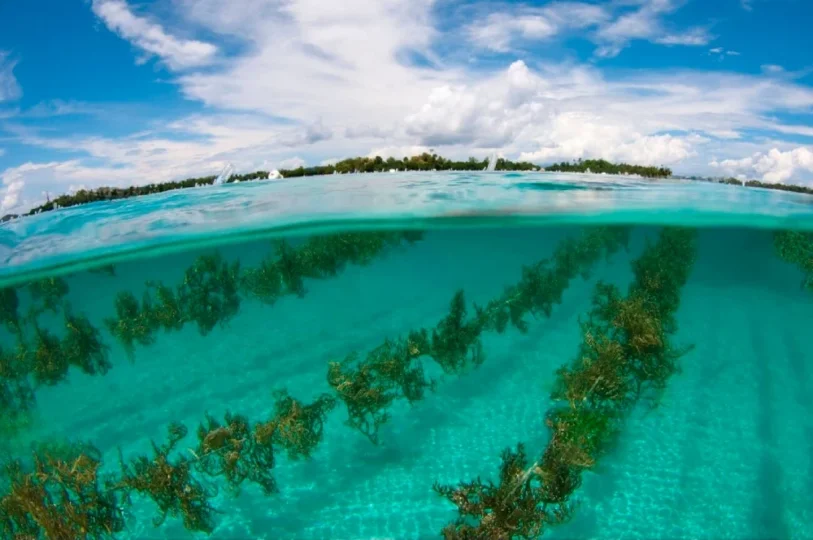
The concept is beautifully simple. Farmers anchor vertical lines in coastal waters and grow multiple species together, kelp and other seaweeds in the upper water column, with mussels, oysters, or scallops hanging below. This multi-layered approach mimics natural reef structures and creates habitat for hundreds of marine species. No feed is required, no fertilizers are added, and no fresh water is consumed. The ocean provides everything these crops need to grow rapidly while simultaneously cleaning the surrounding environment.
What Makes Ocean Farming “Regenerative”
Traditional agriculture often extracts nutrients from soil and releases carbon into the atmosphere. Regenerative ocean farming flips this model entirely. Kelp and seaweed are among the fastest-growing organisms on Earth, capable of growing up to two feet per day during peak season. As they grow, they photosynthesize like plants on land, absorbing carbon dioxide and nitrogen from the water while releasing oxygen.
This process creates a cascade of environmental benefits. The absorbed carbon gets stored in the plant tissue and eventually sinks to the ocean floor when plants die, effectively sequestering it for centuries. Excess nitrogen, which often runs off from land-based agriculture and causes dead zones, gets converted into protein-rich biomass instead. The physical structure of kelp forests provides nursery habitat for fish, crabs, and other marine life, helping rebuild depleted fish populations naturally.
Shellfish like oysters and mussels complement this system perfectly. They filter water as they feed, removing algae and particulates while capturing carbon in their calcium carbonate shells. A single oyster can filter up to fifty gallons of water per day. When grown together with kelp, these species create a self-sustaining ecosystem that requires zero external inputs while producing valuable food and environmental services.
The Rise of Kelp Farming in the United States
Kelp farming is experiencing explosive growth along American coastlines, particularly in New England, the Pacific Northwest, and Alaska. What started as a handful of experimental farms less than a decade ago has evolved into a legitimate industry with dozens of commercial operations and millions in investment capital.
GreenWave, a nonprofit organization founded by former fisherman Bren Smith, has been instrumental in spreading regenerative ocean farming practices. Their open-source training program has helped launch hundreds of new farmers by providing the technical knowledge needed to start operations with minimal capital investment. Unlike traditional agriculture that requires purchasing expensive land, ocean farming leases water column space for a fraction of the cost, making it accessible to young farmers and fishing communities hit hard by declining wild fish stocks.
Connecticut and Maine have emerged as early leaders in kelp aquaculture. Connecticut’s first commercial kelp farm started operations in 2018, and the state now supports multiple farms producing thousands of pounds of sugar kelp annually. Maine’s established seaweed harvesters have expanded into cultivation, leveraging their existing infrastructure and market connections to scale quickly. The industry is projected to grow exponentially as consumer demand increases and processing infrastructure improves.
Climate Benefits of Seaweed Agriculture
Seaweed agriculture represents one of the most scalable natural climate solutions available today. Scientists estimate that seaweed farming could potentially sequester billions of tons of carbon dioxide annually if scaled globally. This isn’t theoretical potential, it’s already happening at existing farms, just at smaller scales.
The carbon sequestration process works through several mechanisms. Living kelp absorbs dissolved carbon dioxide directly from seawater as it grows. When harvested, this carbon stays locked in the biomass, which can be used for food, fertilizer, or biofuel production. Any plant material that naturally sheds or dies sinks to the deep ocean, where cold temperatures and high pressure slow decomposition, keeping carbon out of the atmosphere for hundreds to thousands of years.
Beyond carbon capture, kelp farming helps mitigate ocean acidification. By absorbing carbon dioxide from the water, kelp raises the pH in the immediate area, creating temporary refuges for shell-forming organisms like oysters and corals that struggle in increasingly acidic conditions. This local buffering effect demonstrates how regenerative ocean farming can build resilience in marine ecosystems facing climate stress.
The nitrogen removal benefits are equally significant. Agricultural runoff from conventional farming introduces massive amounts of nitrogen into coastal waters, triggering algal blooms that deplete oxygen and create dead zones. Kelp thrives on nitrogen, making it an ideal biofilter for nutrient-polluted waters. Studies show that kelp farms can remove significant amounts of nitrogen, effectively cleaning the water while producing valuable crops.
Economic Opportunities in Blue Carbon Markets
The emerging blue carbon economy presents new revenue streams for kelp farmers beyond traditional food sales. Blue carbon refers to carbon captured and stored by coastal and marine ecosystems, and carbon markets are beginning to recognize seaweed farming as a legitimate carbon removal method.
Several companies are developing verification protocols to measure and certify the carbon sequestered by seaweed farms. Once established, farmers could potentially sell carbon credits alongside their harvests, providing additional income that improves farm economics. This dual-revenue model makes regenerative ocean farming more financially viable and attractive to investors.
The economic case strengthens when considering the diverse products derived from kelp. Food-grade kelp commands premium prices in specialty markets and sushi supply chains. Kelp extracts appear in cosmetics, pharmaceuticals, and nutritional supplements. Agricultural applications include organic fertilizers and livestock feed additives that reduce methane emissions from cattle. Biofuel researchers are exploring kelp as a feedstock for renewable energy production. This versatility spreads risk across multiple markets, creating more stable business models than single-product agriculture.
Coastal communities benefit from job creation in regions where traditional fishing industries have declined. Kelp farming provides year-round employment that complements seasonal fishing, helping preserve maritime culture and knowledge while transitioning to sustainable practices. Processing facilities, distribution networks, and value-added product manufacturing create additional employment opportunities throughout the supply chain.
Culinary Innovation and Market Growth
Kelp is moving from obscure health food stores to mainstream restaurant menus and grocery aisles. Chefs are discovering sugar kelp’s versatility, it adds umami depth to broths, works as a tender vegetable when blanched, and provides natural seasoning thanks to its glutamate content. Atlantic sea kelp varieties offer different textures and flavors, from the delicate sweetness of winged kelp to the robust, meaty quality of bull kelp.
Food manufacturers are incorporating seaweed into pasta, snacks, and plant-based meat alternatives. Kelp noodles provide a low-calorie, mineral-rich alternative to wheat pasta. Dried kelp snacks appeal to health-conscious consumers seeking alternatives to chips. Seaweed-based burgers and sausages offer sustainable protein sources that require none of the land, water, or feed associated with conventional meat production.
The nutritional profile drives consumer interest. Kelp contains significant amounts of iodine, essential for thyroid function, along with calcium, magnesium, iron, and vitamins A, C, and K. It’s one of the few plant sources of vitamin B12, making it valuable for vegetarian and vegan diets. The fiber content supports digestive health, while antioxidants provide anti-inflammatory benefits.
Market research indicates strong growth potential. The global seaweed market is projected to reach billions of dollars within the next decade, with the fastest growth in food and nutraceutical applications. American-grown kelp particularly appeals to consumers concerned about food miles and sustainable sourcing, commanding price premiums over imported Asian seaweeds that dominate current markets.
Environmental Challenges and Solutions
While regenerative ocean farming offers tremendous benefits, the industry faces legitimate environmental questions that require careful management. Concerns about genetic diversity, disease transmission, and ecosystem impacts need addressing as operations scale.
Maintaining genetic diversity in cultivated kelp populations prevents the risks associated with monocultures. Farmers source wild spores from local populations rather than using cloned varieties, preserving natural genetic variation. Research programs are developing best practices for spore collection and nursery cultivation that maintain healthy, diverse populations.
Disease and pest management follows organic principles. Kelp farms actually reduce parasite pressure on wild fish by breaking disease transmission cycles, but farmers monitor for native pathogens that could affect crops. The open-ocean environment provides natural resistance, pests and diseases exist at background levels but rarely reach outbreak proportions in well-designed systems.
Habitat impacts require site-specific assessment. Properly sited kelp farms enhance rather than displace natural habitats, but poor placement could interfere with migratory species or sensitive bottom habitats. Regulatory frameworks increasingly require environmental impact assessments and ongoing monitoring to ensure farms complement rather than compromise ecosystem health.
Gear entanglement poses risks to marine mammals and sea turtles. Farmers use soft, flexible lines rather than rigid structures, and best practices include seasonal removal of gear when not in active production. Continued innovation in gear design aims to eliminate entanglement risks entirely.
Policy Support and Regulatory Framework
Government support for regenerative ocean farming is expanding at federal and state levels. The National Oceanic and Atmospheric Administration recognizes kelp aquaculture as a sustainable seafood production method that supports coastal economies while providing environmental benefits. Federal agencies are streamlining permitting processes that previously created years-long delays for new farms.
State governments are creating dedicated aquaculture zones that simplify licensing and provide certainty for investors. Connecticut, Maine, and Alaska have developed comprehensive seaweed farming regulations that balance rapid industry growth with environmental protection. These frameworks address site selection, water quality monitoring, and operational standards that ensure farms meet regenerative principles in practice, not just theory.
Research funding is increasing substantially. Universities are establishing dedicated programs studying kelp genetics, cultivation techniques, and ecosystem interactions. Federal grants support the development of processing infrastructure and value-added product research. This public investment accelerates innovation and helps American farmers compete in global markets.
International cooperation is growing as countries recognize seaweed farming’s potential for food security and climate mitigation. The United Nations has included seaweed aquaculture in its sustainable development goals, and international research collaborations are sharing knowledge across regions with different ocean conditions and market needs.
Getting Started with Small-Scale Kelp Farming
For those interested in entering regenerative ocean farming, the barriers to entry are surprisingly low compared to land-based agriculture. Basic kelp farming requires minimal equipment: anchor systems, longlines, and seed spools. Many farmers start with plots under five acres, testing techniques before expanding.
The learning curve involves understanding local ocean conditions, seasonal timing, and species selection. Sugar kelp grows well in cold, nutrient-rich waters typical of the Northeast, while giant kelp requires different conditions found in California waters. Local extension services and experienced farmers provide mentorship that accelerates the learning process.
Permitting varies by state but generally involves demonstrating that farms won’t negatively impact navigation, fishing, or the environment. The process typically takes six months to two years, depending on location complexity and regulatory efficiency. Organizations like GreenWave offer navigation assistance that helps new farmers complete paperwork correctly the first time.
Startup costs range from ten to fifty thousand dollars for small operations, depending on equipment choices and whether farmers build their own gear or purchase pre-made systems. This capital requirement is modest compared to purchasing farmland or establishing conventional aquaculture facilities. Some farmers finance operations through small business loans, while others use crowdfunding or impact investment focused on sustainable food production.
The Future of Ocean-Based Food Systems
Regenerative ocean farming represents a fundamental shift in how humanity produces food and manages ocean resources. As land-based agriculture faces increasing pressure from climate change, water scarcity, and soil degradation, the ocean offers vast untapped potential for sustainable production.
Scaling kelp farming to meet global food needs will require significant infrastructure investment. Processing facilities must expand to handle increased harvest volumes. Distribution networks need development to connect coastal production with inland markets. Research must continue improving cultivation techniques and developing new product applications.
The integration of seaweed farming with offshore renewable energy presents exciting possibilities. Wind farms could host kelp cultivation between turbine towers, maximizing ocean use efficiency. This co-location reduces conflicts between different ocean users while providing additional revenue streams for energy developers.
Climate adaptation will drive adoption in coming decades. As droughts and extreme weather threaten land-based crops, ocean farming provides resilient alternatives that actually benefit from changing conditions. Rising ocean temperatures may shift optimal growing regions, but kelp’s adaptability and the vastness of available ocean space provide flexibility that land agriculture cannot match.
Consumer education remains crucial for market development. Many Americans remain unfamiliar with kelp as food, requiring marketing efforts that emphasize taste, nutrition, and sustainability. As awareness grows and products become more accessible, demand should expand to support the industry scaling necessary for meaningful climate impact.
Frequently Asked Questions (FAQ)
As interest in regenerative ocean farming grows, many people have practical questions about how kelp farming works, what benefits it provides, and whether it’s a viable solution for real-world challenges. Whether you’re considering becoming a farmer, looking to incorporate more sustainable seafood into your diet, or simply curious about this emerging industry, understanding the fundamentals helps you make informed decisions. The following questions address the most common concerns about seaweed agriculture, from environmental impact and taste to economic viability and scalability.
1. What exactly is regenerative ocean farming and how does it differ from regular aquaculture?
Regenerative ocean farming is a specific type of aquaculture designed to improve marine ecosystems while producing food. Unlike fish farming that requires feeding wild-caught fish to captive animals and generates waste pollution, regenerative farming grows kelp and shellfish that filter water and absorb carbon without any external inputs. The system mimics natural reef structures, creating habitat for wild species while requiring zero fresh water, fertilizer, or feed. Regular aquaculture often concentrates animals in ways that damage surrounding environments, whereas regenerative practices enhance water quality and biodiversity.
2. How much carbon can kelp farming actually remove from the atmosphere?
Current research suggests that scaled seaweed farming could sequester significant amounts of carbon, though exact figures depend on cultivation area, species grown, and local ocean conditions. Individual farms demonstrate measurable carbon absorption in plant biomass, with additional carbon stored when plant material sinks to deep ocean sediments. Scientists estimate that if ocean farming expanded to occupy just a small percentage of suitable coastal areas globally, it could remove millions of tons of carbon dioxide annually. The key advantage is scalability, unlike land-based carbon removal that competes with food production, ocean farming produces food and carbon removal simultaneously.
3. Is kelp safe to eat and what does it taste like?
Kelp is absolutely safe to eat and has been consumed for thousands of years in Asian cuisines. Modern testing ensures farmed kelp meets strict food safety standards, with regular monitoring for heavy metals or contaminants. Sugar kelp offers a mild, slightly sweet flavor with a texture similar to cooked spinach or delicate noodles when prepared properly. It absorbs flavors well, making it versatile for soups, salads, and stir-fries. Many people find it more approachable than strongly flavored seaweeds like nori, with a neutral taste that works in various dishes. The umami richness enhances broths and sauces without overwhelming other ingredients.
4. Can regenerative ocean farming help save wild fish populations?
Yes, kelp farming provides multiple benefits for wild fisheries. The physical structure creates nursery habitat where juvenile fish can hide from predators, potentially increasing survival rates for commercially important species. By filtering water and removing excess nutrients, farms improve water quality in surrounding areas. The farms also reduce fishing pressure by providing alternative seafood sources, allowing depleted wild populations to recover. Some studies suggest that well-designed kelp farms can increase local fish abundance and diversity, effectively creating marine protected areas that simultaneously produce food and conservation benefits.
5. What are the main challenges facing the kelp farming industry today?
The industry faces several interconnected challenges as it scales from experimental to commercial operations. Processing infrastructure remains limited, most farms currently sell raw biomass because few facilities exist to convert kelp into value-added products like flour, extracts, or packaged foods. Market development lags behind production capacity, requiring consumer education and distribution partnerships. Climate change introduces uncertainty, as warming waters and shifting currents may affect growing conditions. Regulatory frameworks are still evolving, with permitting processes that vary significantly between states. Finally, securing adequate capital for expansion remains difficult despite growing investor interest, as traditional agricultural lenders are unfamiliar with ocean-based business models.
6. How long does it take to grow kelp from seed to harvest?
Kelp grows remarkably fast compared to land crops. Farmers typically start with spores in nurseries during late summer, then outplant to ocean farms in fall when water temperatures drop. From outplanting to harvest takes roughly six months, with peak growth occurring in winter and early spring when nutrient availability is highest. Sugar kelp can grow several feet per month under optimal conditions. This rapid growth cycle allows annual harvests with relatively short capital turnover compared to tree crops or livestock. The seasonality means farmers can combine kelp cultivation with other maritime activities like fishing or tourism during off-seasons.
Why Regenerative Ocean Farming Matters for Our Future
Regenerative ocean farming stands at the intersection of food security, climate action, and ocean conservation. As we face the dual challenges of feeding a growing population while stabilizing the climate, kelp and seaweed offer solutions that address both simultaneously. This approach doesn’t require choosing between environmental health and economic prosperity, it delivers both while creating meaningful work in coastal communities.
The beauty of regenerative ocean farming lies in its simplicity and scalability. No revolutionary technology is needed, just thoughtful application of ecological principles and commitment to working with natural systems rather than against them. Every acre of kelp farmed represents carbon removed from the atmosphere, water cleaned of excess nutrients, and habitat created for marine life, all while producing nutritious food for human consumption.
The transition from extractive to regenerative ocean use won’t happen overnight, but momentum is building. Consumers are demanding sustainable seafood options. Investors are recognizing the potential of blue carbon markets. Policymakers are creating supportive regulatory environments. Most importantly, a new generation of ocean farmers is embracing this work not despite the environmental benefits, but because of them.
For anyone concerned about climate change, ocean health, or the future of food, regenerative ocean farming offers a rare opportunity to support a solution that actually works at multiple levels. Whether you’re a potential farmer, an interested consumer, or simply someone looking for hope in challenging environmental times, kelp farming deserves attention and support. The ocean has always provided for humanity, now we have the chance to return the favor by farming in ways that regenerate rather than deplete this vital resource.