Mycoremediation: Fungi Clean Carbon & Toxic Waste

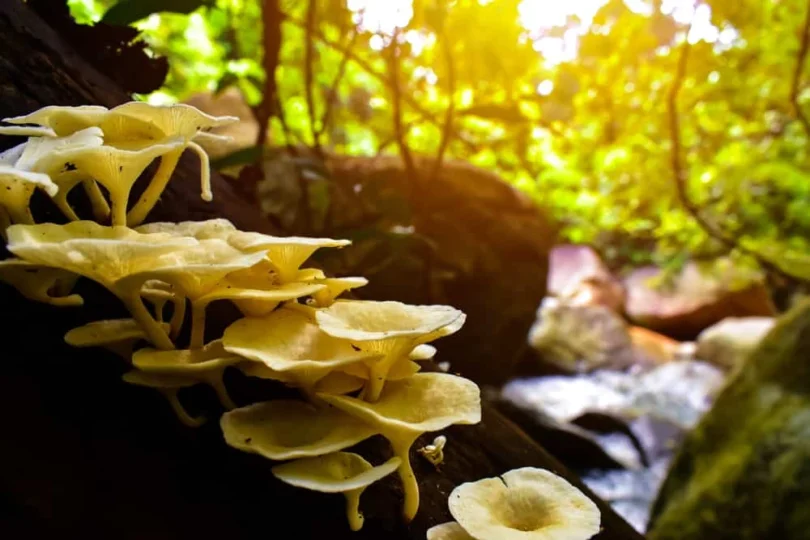
Mycoremediation is the use of fungi to remove or neutralize contaminants from soil, water, and air. This isn’t science fiction, it’s a rapidly growing field that’s gaining serious attention in 2026 as researchers and companies realize mushrooms and their root networks (called mycelium) can do everything from capturing carbon to cleaning up oil spills and radioactive waste.
The concept works because fungi are nature’s original recyclers. They’ve spent millions of years breaking down tough organic materials like lignin in wood. That same biological machinery can be harnessed to break down pollutants, absorb heavy metals, and lock carbon away in stable soil compounds. According to recent research, mycoremediation shows higher tolerance to extreme conditions compared to plant-based cleanup methods, making it particularly valuable for challenging contaminated sites.
What makes 2026 different from previous years is the convergence of several factors: advanced genetic sequencing that lets us understand exactly how fungi work, AI-driven optimization of fungal strains for specific cleanup tasks, and growing investment in nature-based climate solutions. The field has moved from small-scale experiments to commercial applications, with companies like Loam Bio developing microbial inoculants that farmers can actually buy and use.
The potential impact is staggering. Research led by Dr. Toby Kiers, who won the 2026 Tyler Prize for Environmental Achievement (often called the “Nobel Prize for the environment”), shows that mycorrhizal fungi networks sequester more than a third of the carbon emitted by fossil fuel use worldwide each year. That’s not just a nice-to-have statistic, it represents a massive, largely untapped opportunity for climate mitigation that doesn’t require building new infrastructure or waiting for technological breakthroughs. The fungi are already there, underground, waiting to be protected and optimized.
How Fungi Capture Carbon: The Science Behind Mycelium Carbon Sequestration
Carbon sequestration through fungi happens through several interconnected biological processes that turn atmospheric carbon dioxide into stable soil carbon. Understanding these mechanisms helps explain why mycoremediation is generating so much excitement among climate scientists and agricultural innovators in 2026.
The primary pathway starts with photosynthesis. Plants pull carbon dioxide from the air and convert it into sugars. Through mycorrhizal relationships, symbiotic partnerships between plant roots and fungal networks, plants transfer up to 20% of these sugars to fungi in exchange for nutrients like phosphorus and nitrogen. The fungi use some of this carbon for energy, but a significant portion gets converted into complex compounds like melanin and glomalin, which are extremely stable and can remain in soil for decades or even centuries.
Endophytic fungi (fungi that live inside plant tissues) have shown particular promise for agricultural applications. Companies are now developing seed coatings containing specific fungal strains that colonize plant roots as they grow. These fungi convert plant sugars into melanin, depositing it into tiny soil particles called microaggregates. Once carbon is trapped inside these microaggregates, it becomes incredibly stable, resisting decomposition and staying out of the atmosphere. Field trials suggest this approach can significantly increase soil carbon storage while also improving crop resilience and reducing the need for synthetic fertilizers.
The numbers are impressive. Mycelium-based building materials can contain up to 43% organic carbon, which translates to approximately 1.58 tons of CO2 sequestered per ton of material. When you factor in the emissions from manufacturing and transport, these materials still achieve net storage of about 1 ton of CO2 per ton of material. Compare that to concrete, which emits roughly 1 ton of CO2 per ton produced, or steel at 2 tons, and you start to see why construction companies are paying attention.
What’s particularly exciting for 2026 and beyond is the integration of AI and synthetic biology. Researchers are using machine learning to predict which fungal strains will work best in specific soil conditions, and genetic engineering is opening possibilities for creating fungi that sequester even more carbon or survive in previously hostile environments. This isn’t just about doing less harm, it’s about creating systems that actively heal the planet while supporting human needs.
Real-World Applications: Where Mycoremediation Is Making a Difference Today
The theoretical potential of mycoremediation is backed up by growing real-world deployment across multiple sectors. From agriculture to construction to nuclear waste management, fungal biotechnology is moving from lab benches to actual problem-solving.
In agriculture, companies like Loam Bio have developed commercial products that farmers apply to seeds before planting. These microbial inoculants establish carbon-capturing fungal networks in croplands, turning millions of acres into potential carbon sinks while simultaneously improving soil health and crop yields. The approach is particularly valuable because it works with existing farming practices, farmers don’t need to stop growing food to capture carbon. Early adopters are reporting improved drought resilience and reduced input costs alongside the climate benefits.
The construction industry is another surprising frontier. Mycelium-based insulation, packaging, and even structural materials are hitting the market. These materials grow from agricultural waste (often hemp, which captures significant CO2 during growth) inoculated with fungal spores. Over several days, the mycelium binds the waste into solid, lightweight, fire-resistant materials. When the growing process stops and the material dries, the carbon remains locked inside. Some manufacturers report their mycelium packaging captures approximately 1.3 kg of CO2 per kg of product while replacing expanded polystyrene foam, which has a high carbon footprint and persists in the environment for centuries.
For environmental cleanup, mycoremediation is proving effective against some of the most stubborn pollutants. White rot fungi can break down persistent organic pollutants like PCBs, pesticides, and even petroleum hydrocarbons. Unlike chemical remediation, which often just moves contaminants from one place to another, fungal breakdown actually destroys the toxic molecules, converting them into harmless substances like carbon dioxide and water. Recent studies show fungal strains can remove heavy metals from soil through biosorption, with some species particularly effective at capturing uranium and other radioactive elements from mining sites.
Marine environments represent the next frontier. Research teams have established culture collections of over 500 marine fungal strains, exploring how these ocean-dwelling fungi might help with everything from plastic degradation to seaweed waste valorization. Given that the European seaweed industry could be worth €9.3 billion by 2030, the potential for fungal biotechnology to turn that waste stream into valuable products while sequestering carbon is drawing significant commercial interest.
The Technology Behind Modern Mycoremediation: AI, Genetics, and Smart Monitoring
What separates 2026’s mycoremediation efforts from earlier attempts is the sophisticated technology stack now supporting fungal applications. This isn’t just about letting mushrooms grow and hoping for the best, it’s about precision biotechnology guided by data and optimized by artificial intelligence.
AI and machine learning are revolutionizing how researchers select and optimize fungal strains. Traditional methods required growing thousands of fungal varieties and testing them individually, a process taking months or years. Now, algorithms can predict which genetic combinations will produce desired traits like faster growth, higher carbon conversion rates, or tolerance to specific contaminants. This accelerates development timelines dramatically and reduces costs, making commercial viability achievable for applications that were previously too expensive to pursue.
Genetic engineering tools are opening new possibilities for custom-designed fungi. Scientists can now edit fungal genomes to enhance specific metabolic pathways, creating strains that produce more stable carbon compounds or break down particular pollutants more efficiently. While this raises important regulatory and ethical questions that the field is actively grappling with, the technical capabilities are advancing rapidly. Some research groups are exploring gene-edited mycelium that could continue sequestering carbon even after being incorporated into building materials, a potentially game-changing innovation for carbon-negative construction.
Monitoring technology has also improved significantly. Remote sensing, soil sensors, and advanced analytics allow researchers to track fungal network health and carbon sequestration in real-time. This data feedback loop is crucial for optimizing applications and proving carbon capture for credit verification. Companies can now demonstrate exactly how much carbon their fungal interventions are removing, which is essential for participation in carbon markets and for attracting climate-focused investment.
The integration of these technologies creates a powerful toolkit for addressing environmental challenges. For example, AI can identify optimal sites for mycoremediation based on soil chemistry, climate data, and contamination profiles. Drones can then deploy fungal inoculants with precision, and IoT sensors can monitor progress, feeding data back to machine learning systems that continuously improve application protocols. This level of sophistication is why mycoremediation is attracting serious investment in 2026 after decades of being considered a fringe environmental solution.
Challenges and Limitations: What Mycoremediation Can’t Do (Yet)
Despite the excitement, it’s important to maintain realistic expectations about mycoremediation. The field faces genuine challenges that researchers and commercial operators are working to overcome, and understanding these limitations helps set appropriate expectations for deployment.
Scalability remains the biggest hurdle. While lab studies consistently show impressive results, translating those outcomes to field conditions across millions of acres or thousands of construction sites is difficult. Fungi are living organisms with specific environmental requirements, temperature, moisture, pH, and competition from other microbes all affect performance. What works in a controlled greenhouse may struggle in drought-prone farmland or contaminated industrial sites. Current research is focused on developing more robust fungal strains and better delivery methods, but there’s still a gap between pilot projects and widespread implementation.
Speed is another constraint. Unlike technological carbon capture systems that can be switched on and start working immediately, fungal processes operate on biological timelines. Growing enough mycelium to treat a contaminated site or inoculate a large farm takes time, weeks or months rather than days. For urgent cleanup situations or rapidly expanding carbon markets that need immediate results, this biological reality can be frustrating. Some companies are addressing this by developing concentrated inoculants and optimized growth substrates, but patience remains a requirement.
Regulatory frameworks are still catching up. In many jurisdictions, it’s unclear how mycoremediation fits into existing environmental regulations or carbon credit verification systems. Standards for measuring and certifying fungal carbon sequestration are still being developed, which creates uncertainty for investors and customers. Additionally, the use of genetically modified fungi raises biosafety questions that different countries are addressing through varying regulatory approaches, creating potential barriers to international deployment.
Finally, mycoremediation isn’t a silver bullet. It works best as part of integrated approaches, combined with reduced emissions, renewable energy deployment, and other sustainability measures. Fungi can clean up existing pollution and capture some atmospheric carbon, but they can’t offset unlimited fossil fuel use. The most effective applications combine mycoremediation with emission reductions, creating net-positive environmental outcomes rather than just mitigating damage.
The Future of Fungal Biotechnology: What’s Coming in 2026 and Beyond
Looking ahead, mycoremediation and fungal biotechnology are positioned for significant growth and innovation. Several emerging trends suggest this field will become increasingly central to both environmental management and commercial biotechnology over the next few years.
The carbon credit market is driving major investment. As companies face pressure to achieve net-zero emissions, high-quality carbon removal credits are becoming valuable commodities. Fungal sequestration offers advantages over many technological approaches, it’s durable, verifiable, and provides co-benefits like soil health improvement. Expect to see more agricultural carbon programs specifically incorporating mycorrhizal inoculation, and potentially new financial instruments funding large-scale fungal restoration projects.
Marine applications are expanding rapidly. With ocean acidification and plastic pollution growing concerns, marine fungi represent an underexplored resource. Research into seaweed-associated fungi is particularly promising, offering pathways to valorize the growing seaweed industry while addressing waste streams. The potential for marine fungi to degrade plastics or capture carbon in coastal ecosystems could become a major focus area by 2027.
Construction and materials science represent perhaps the most visible consumer-facing applications. As mycelium-based materials prove their durability and cost-competitiveness, major construction firms are likely to adopt them for insulation, packaging, and potentially structural elements. The aesthetic possibilities, mycelium can be grown into specific shapes and textures, also appeal to designers and architects looking for sustainable materials that don’t compromise on appearance.
Synthetic biology will enable increasingly sophisticated applications. As genetic engineering tools improve and our understanding of fungal metabolism deepens, expect to see custom-designed organisms optimized for specific industrial processes. This could include fungi that produce specific bioplastics while sequestering carbon, or strains optimized for particular contaminated sites. The ethical and regulatory frameworks for these applications will need to evolve alongside the technology.
Integration with precision agriculture and smart farming systems will make mycoremediation more accessible to conventional farmers. Rather than requiring specialized knowledge or significant changes to farming practices, fungal inoculants will become standard inputs managed through the same digital platforms farmers use for fertilizer and irrigation decisions. This mainstreaming is essential for achieving the scale necessary for meaningful climate impact.
Frequently Asked Questions (FAQ)
Got questions about mycoremediation? You’re not alone. As fungal biotechnology moves from research labs to farms, construction sites, and cleanup projects, people naturally want to understand how it works, whether it’s safe, and what to expect from this nature-based approach. This FAQ covers the most common questions about using fungi for carbon capture and environmental remediation, separating the genuine potential from the hype.
1. Is mycoremediation safe for the environment?
Yes, when properly managed, mycoremediation is generally considered safe and environmentally friendly. It uses natural organisms and processes rather than synthetic chemicals. However, as with any biological intervention, proper species selection and monitoring are important to ensure introduced fungi don’t disrupt local ecosystems. Most commercial applications use fungi that are already present in the environment, just optimized and concentrated for specific tasks.
2. How long does carbon stay stored through fungal sequestration?
The durability of fungal carbon storage depends on the specific compounds formed and soil conditions. Melanin and glomalin produced by mycorrhizal fungi can persist in soil for decades to centuries, especially when protected inside soil microaggregates. However, if soil is disturbed through aggressive tilling or erosion, some carbon can be released. Best practices in regenerative agriculture help maintain these carbon stores long-term.
3. Can mycoremediation replace traditional pollution cleanup methods?
Mycoremediation can replace or supplement many traditional cleanup approaches, but it’s not suitable for every situation. It works best for organic pollutants and certain heavy metals in soil and water. For immediate cleanup of acute spills or certain types of contamination, physical or chemical methods may still be necessary. Increasingly, integrated approaches combine mycoremediation with other technologies for optimal results.
4. How expensive is mycoremediation compared to other carbon capture technologies?
Costs vary widely depending on the application, but fungal approaches often have lower infrastructure requirements than technological carbon capture. Agricultural inoculants add modest costs to seed purchases, while mycelium materials are becoming cost-competitive with conventional alternatives. As scale increases and technology improves, costs are expected to decrease further, potentially making mycoremediation one of the more affordable carbon removal options available.
5. What role can individuals play in supporting mycoremediation?
Individuals can support mycoremediation by choosing products made with mycelium-based materials, supporting regenerative agriculture that maintains fungal networks, and advocating for research funding and policies that recognize nature-based climate solutions. Home gardeners can also minimize soil disturbance and avoid fungicides that harm beneficial fungal networks. Consumer demand drives commercial adoption, so choosing sustainable mycelium products sends market signals that encourage investment.
Why Mycoremediation Deserves Your Attention This Year
Mycoremediation represents a convergence of ancient biology and cutting-edge technology that offers genuine solutions to pressing environmental challenges. Unlike many climate technologies that require massive infrastructure investments or decades of development, fungal carbon capture and cleanup tools are available now, improving rapidly, and delivering co-benefits beyond just carbon removal.
The 2026 Tyler Prize awarded to Dr. Toby Kiers for her work on underground fungal networks signals mainstream scientific recognition of this field’s importance. As carbon markets mature, construction industries seek sustainable materials, and agriculture faces pressure to become more regenerative, mycoremediation provides practical pathways forward. It’s not just about doing less harm, it’s about actively healing ecosystems while meeting human needs for food, shelter, and economic prosperity.
For anyone interested in environmental sustainability, green technology, or climate solutions, mycoremediation is a trend worth watching and supporting. The fungi have been waiting underground for millions of years, ready to help. In 2026, we’re finally learning how to work with them effectively.