Lab-Grown Meat vs Plant-Based Protein 2026

Lab-grown meat vs plant-based protein 2026 represents one of the most fascinating battles happening in our food system right now. If you have been walking through grocery aisles or scrolling food news lately, you have probably noticed these terms popping up everywhere. Both promise to change how we eat, but they work completely differently and appeal to different crowds. Understanding where each stands in 2026 helps you make smarter choices whether you are a curious eater, an investor, or just someone trying to eat more sustainably
The alternative protein space has exploded beyond what anyone expected a decade ago. We are no longer talking about niche products for vegans. These technologies have hit the mainstream, with billions in funding, regulatory approvals, and real restaurant menus featuring both options. But here is the thing: lab-grown meat and plant-based protein are not the same thing, and knowing the difference matters more than ever this year.
What Is Lab-Grown Meat Actually
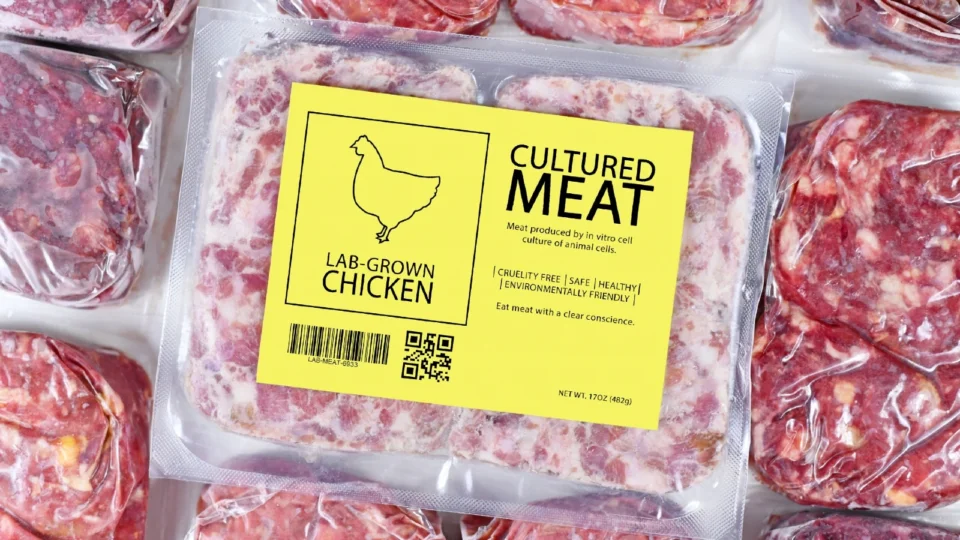
Lab-grown meat, also called cultivated meat or cellular agriculture, is real animal meat produced without slaughtering animals. Scientists take a small sample of cells from a live animal, place them in a bioreactor, and feed them nutrients until they grow into actual muscle tissue. The result is biologically identical to conventional meat because it is made from animal cells.
In 2026, this technology has moved from science experiments to commercial reality. According to market data, the cultivated meat industry is valued at approximately $12.65 billion this year, growing from $10.92 billion in 2025 at a compound annual growth rate of 15.8%. The industry is projected to reach $23.26 billion by 2030, showing serious momentum behind this approach.
The process sounds futuristic but follows basic biology. Cells naturally want to multiply when given the right conditions. Companies like UPSIDE Foods and Good Meat have received regulatory approval in the United States to sell cultivated chicken products since 2023, marking a historic shift. These products initially launched in high-end restaurants and are slowly expanding to broader retail as production scales up.
What makes lab-grown meat different is that it offers meat-eaters exactly what they want: real meat texture, taste, and nutritional profile, without the environmental and ethical baggage of factory farming. For people who love burgers and chicken but feel conflicted about animal welfare, this feels like having your cake and eating it too.
Understanding Plant-Based Protein Fundamentals
Plant-based protein takes a completely different approach. Instead of growing animal cells, manufacturers use proteins from plants like soy, peas, wheat, and other legumes to create products that mimic meat or stand alone as protein sources. These products have been around longer and have seen massive innovation in recent years.
The plant-based protein market is significantly larger than cultivated meat in 2026. Current valuations show the market reaching $22.0 billion this year, with projections hitting $49.9 billion by 2036 at an 8.5% compound annual growth rate. When looking specifically at plant-based meat products, the market is expected to grow from $8.22 billion in 2025 to $23.35 billion by 2034.
Soy protein currently leads the category with about 36.4% market share, followed by pea and wheat proteins. The appeal here is broader than just meat substitutes. Plant-based proteins show up in protein powders, nutrition bars, dairy alternatives, baked goods, and even pet food. This versatility gives the sector a massive advantage in terms of market penetration and consumer familiarity.
What drives people toward plant-based options varies. Health consciousness tops the list, with consumers looking to reduce saturated fat and cholesterol. Environmental concerns matter too, since plant proteins generally require less water, land, and produce fewer greenhouse gas emissions than animal agriculture. Then there is the ethical angle for those concerned about animal welfare, plus practical benefits like often being more affordable than premium meat products.
Key Differences Between These Two Approaches
The fundamental distinction comes down to biology. Lab-grown meat is actual animal tissue, just produced differently. Plant-based protein is entirely plant-derived, designed to function like meat in recipes or provide protein nutrition directly. This biological difference creates ripple effects across taste, nutrition, production, and consumer acceptance.
From a nutritional standpoint, lab-grown meat matches conventional meat almost exactly. It contains complete proteins with all essential amino acids, plus nutrients like vitamin B12, iron, and creatine that are naturally abundant in animal products. Plant-based proteins often need fortification or blending to achieve similar nutritional profiles, though modern formulations have closed this gap considerably.
Production complexity differs dramatically. Cultivated meat requires sterile bioreactors, growth media, and precise environmental controls. It is essentially biotechnology manufacturing. Plant-based protein relies on established food processing techniques like extrusion, fermentation, and ingredient blending. This means plant-based production scales faster and currently costs less, though both are working toward price parity with conventional meat.
Consumer psychology plays a huge role too. Meat-eaters often view lab-grown meat as a direct replacement because it is meat. Plant-based products face the “it’s not real meat” barrier, even when taste and texture are excellent. However, plant-based options have a head start in retail presence and brand recognition, with products like Beyond Meat and Impossible Foods already household names.
Market Position and Growth Trajectories in 2026
Looking at the numbers, plant-based protein holds the larger market share today, but lab-grown meat is growing faster from a smaller base. The cultivated meat market’s 15.8% growth rate outpaces many traditional food sectors, while plant-based protein maintains steady expansion at 8.5% annually.
Regional differences matter here. North America leads in cultivated meat adoption, with the United States driving regulatory progress and commercial launches. Europe follows closely, particularly countries like the Netherlands and Israel where cellular agriculture research is concentrated. Asia-Pacific shows strong interest, especially Singapore which was the first country to approve cultivated meat sales back in 2020.
For plant-based proteins, North America and Europe remain the largest markets, but Asia-Pacific is seeing the fastest growth. Countries like China and India are experiencing surging demand as middle-class populations expand and dietary preferences shift. The versatility of plant proteins in traditional cuisines gives them an edge in these diverse markets.
Investment patterns reveal where smart money sees opportunity. Cultivated meat attracted massive venture capital in recent years, with companies like Aleph Farms, Mosa Meat, and Future Meat Technologies raising hundreds of millions. Plant-based saw earlier investment waves and is now seeing consolidation, with major food corporations like Nestle, Unilever, and Tyson acquiring or partnering with innovative brands.
Consumer Adoption and Real-World Availability
In 2026, your ability to buy these products depends heavily on where you live. Plant-based options are widely available in mainstream supermarkets, fast-food chains, and restaurants across developed markets. You can walk into most grocery stores and find plant-based burgers, sausages, chicken nuggets, and ground meat alternatives alongside conventional products.
Lab-grown meat remains more limited. In the United States, you can find cultivated chicken at select restaurants and specialty retailers, but widespread retail availability is still developing. Production capacity constraints and regulatory frameworks in different countries slow the rollout. Singapore and Israel have the most advanced commercial availability, while Europe is working through regulatory approval processes.
Price remains a significant factor for both categories. Plant-based meat has achieved near-parity with conventional meat in some categories, especially ground products and sausages. Premium cuts and whole-muscle products still carry a price premium. Lab-grown meat currently costs more than conventional options, though prices are dropping rapidly as production scales. Industry experts expect price parity within the next five to ten years for cultivated products.
Consumer demographics differ between the two. Plant-based proteins attract flexitarians, health-conscious eaters, environmentally motivated consumers, and vegetarians. About 85% of plant-based meat consumers are not strict vegetarians, showing the broad appeal beyond traditional vegan markets. Lab-grown meat appeals strongly to meat-lovers who want to reduce their environmental impact without changing their diet, plus ethically motivated consumers who avoid conventional meat but want authentic taste.
Environmental and Sustainability Comparisons
Both technologies promise environmental benefits compared to conventional animal agriculture, but the specifics vary. Lab-grown meat eliminates the need for livestock farming, which reduces land use, methane emissions, and water consumption associated with raising animals. However, the energy requirements for bioreactors and the production of growth media create their own footprint that depends heavily on energy sources.
Early life cycle assessments suggest cultivated meat could reduce greenhouse gas emissions by up to 92%, land use by 95%, and water use by 78% compared to conventional beef production. These numbers improve as renewable energy powers production facilities. The key variable is scale: small-batch production is less efficient than industrial-scale operations that are now coming online.
Plant-based proteins show strong environmental credentials too. Pea protein, for example, requires significantly less water and land than animal protein while producing fewer emissions. Soy protein has been scrutinized for deforestation concerns in South America, but sustainable sourcing initiatives and regional production in North America and Europe address these issues. Overall, plant proteins generally beat conventional meat on environmental metrics and compete well with cultivated meat, especially when transportation and processing are factored in.
The sustainability conversation extends beyond carbon footprints. Biodiversity impacts, soil health, and agricultural system resilience matter too. Plant-based proteins can integrate with regenerative agriculture practices, potentially improving soil health through crop rotation. Lab-grown meat removes agricultural land pressure entirely, potentially freeing land for rewilding or carbon sequestration projects.
Health and Nutrition Considerations
From a health perspective, both alternatives offer advantages over processed conventional meats, which have been linked to various health concerns when consumed in excess. Lab-grown meat matches the nutritional profile of conventional meat, providing complete proteins, heme iron, vitamin B12, and creatine. Since it is produced in controlled environments, it avoids antibiotics, hormones, and pathogens sometimes found in conventional meat.
Plant-based proteins vary in nutritional quality depending on source and processing. Soy protein is a complete protein with all essential amino acids. Pea protein is nearly complete and often blended with other proteins to optimize amino acid profiles. Modern formulations include added B12, iron, and other nutrients to match meat’s nutritional contribution. The fiber content in many plant-based products offers digestive benefits absent in animal products.
Processing levels differ between categories. Some plant-based products are highly processed to achieve meat-like textures, which concerns some health-conscious consumers. Others use simpler ingredient lists and whole-food approaches. Lab-grown meat is minimally processed in the traditional sense, though the production technology is sophisticated. Neither category automatically equals “health food,” and nutritional quality depends on specific products and overall dietary patterns.
Allergen considerations matter for plant-based options. Soy and wheat are common allergens that limit options for some consumers. Lab-grown meat avoids these plant allergens, though people with alpha-gal syndrome or other meat allergies need to verify compatibility. Both categories generally avoid the antibiotic residues found in conventional meat production.
Challenges and Limitations Facing Each Industry
Lab-grown meat faces significant hurdles despite its promise. Production costs remain high, though falling rapidly. Scaling from laboratory to industrial production requires massive capital investment and technical problem-solving. The energy requirements are substantial, and ensuring renewable energy sources is crucial for environmental benefits.
Regulatory complexity slows global rollout. Each country develops its own framework for approving and labeling cultivated meat. Consumer acceptance varies by culture, with some markets excited about the technology and others skeptical of “lab food.” Building trust through transparency and education remains ongoing work.
Plant-based proteins have their own challenges. Taste and texture improvements continue, but some consumers still find products don’t match conventional meat perfectly. The “ultra-processed” criticism resonates with clean-label seekers. Ingredient sourcing, particularly for soy and pea proteins, requires attention to sustainable agriculture practices.
Market saturation in early-adopter demographics means both industries must reach mainstream consumers who are less motivated by environmental or ethical concerns. Price competition with conventional meat, which benefits from decades of subsidy and optimization, remains fierce. Supply chain disruptions, ingredient cost volatility, and changing consumer preferences create ongoing business challenges.
What the Future Holds for Alternative Proteins
Looking ahead, the most likely scenario is coexistence rather than competition for market dominance. These technologies serve different consumer needs and use cases. Plant-based proteins will likely dominate in applications where cost, scalability, and versatility matter most: everyday cooking, food service, and nutrition products. Lab-grown meat will capture consumers who prioritize authentic meat experience and are willing to pay a premium for it.
Hybrid products combining both approaches are emerging. Some companies blend plant proteins with cultivated animal fats to achieve better taste at lower cost. Others use fermentation-derived ingredients to enhance plant-based products. This convergence suggests the categories may blur rather than remain distinct.
Technological improvements will drive both sectors forward. Better bioreactor design, optimized cell lines, and cheaper growth media will make cultivated meat more affordable. Advanced extrusion, fermentation, and ingredient science will improve plant-based products. Consumer education and generational shifts toward sustainability will expand the total addressable market for both.
The regulatory landscape will mature, with more countries establishing clear pathways for approval and labeling. This clarity will enable faster global expansion and consumer confidence. Investment will continue flowing into both sectors, though perhaps more strategically as the industry matures beyond initial hype cycles.
Frequently Asked Questions (FAQ)
You probably still have questions about how these two technologies compare in real life. With all the buzz around alternative proteins in 2026, it is easy to get confused about what is actually available, what tastes better, and which option makes sense for your diet and budget. Let us clear up the most common questions people ask when deciding between lab-grown meat and plant-based protein options.
1. What exactly is the difference between lab-grown meat and plant-based meat?
Lab-grown meat is actual animal meat produced by cultivating animal cells in bioreactors. It is biologically identical to conventional meat. Plant-based meat uses proteins from plants like soy, peas, or wheat, processed to mimic meat’s taste and texture. One comes from animal cells, the other entirely from plants.
2. Is lab-grown meat available to buy in 2026?
Yes, but availability varies by location. In the United States, Singapore, and Israel, you can find cultivated chicken at select restaurants and retailers. Production capacity is still scaling up, so widespread grocery store availability is limited compared to plant-based options. Europe is working through regulatory approvals for broader commercial sales.
3. Which is healthier: lab-grown meat or plant-based protein?
Both can be healthy options depending on the specific product and your overall diet. Lab-grown meat matches conventional meat nutritionally, providing complete proteins, B12, and iron. Plant-based proteins vary by source but often include fiber and lower saturated fat. Neither is automatically healthier; check specific product nutrition labels and consider your dietary needs.
4. Why is lab-grown meat more expensive than plant-based meat?
Lab-grown meat involves complex biotechnology processes: sterile bioreactors, specialized growth media, and precise environmental controls. These production costs are falling but remain higher than plant-based processing, which uses established food manufacturing techniques. As cultivated meat scales up, prices are expected to approach parity with conventional meat within five to ten years.
5. Do meat-eaters actually like lab-grown meat better than plant-based options?
Many meat-eaters prefer lab-grown meat because it is actual meat with identical taste and texture. However, plant-based products have improved dramatically and satisfy many consumers, especially in applications like ground meat where texture matching is easier. Personal preference varies, and some consumers prioritize other factors like price or ingredients over taste alone.
6. Will lab-grown meat replace plant-based protein?
Unlikely. Both serve different market segments and use cases. Plant-based proteins offer versatility, lower cost, and established supply chains that work for many applications. Lab-grown meat appeals to consumers wanting authentic meat experience. The future likely includes both, plus hybrid products combining elements of each approach.
7. Is lab-grown meat really better for the environment?
Life cycle assessments suggest significant environmental benefits compared to conventional beef, including up to 92% lower greenhouse gas emissions and 95% less land use. However, the energy requirements for production matter: benefits are maximized when renewable energy powers facilities. Compared to plant-based proteins, the environmental comparison is closer and depends on specific production methods and transportation factors.
Choosing Your Alternative Protein Path Forward
Lab-grown meat vs plant-based protein 2026 is not a simple either-or choice. It is about matching the right technology to the right application and consumer preference. Plant-based proteins offer immediate accessibility, lower cost, and incredible versatility across food categories. They work well for health-conscious consumers, environmental advocates, and anyone looking to reduce meat consumption without sacrificing convenience.
Lab-grown meat represents the future of ethical meat consumption for people who want real meat without conventional agriculture’s downsides. As production scales and prices drop, it will become increasingly accessible to mainstream consumers. The technology is still early but advancing rapidly.
Smart consumers in 2026 are experimenting with both. They might use plant-based ground meat for tacos and pasta sauce while choosing cultivated chicken for special occasions. They understand that both technologies reduce reliance on conventional animal agriculture, which benefits animal welfare, environmental sustainability, and public health.
The alternative protein revolution is not about picking winners. It is about expanding options so that sustainable, ethical protein choices fit every lifestyle, budget, and taste preference. Whether you are team plant-based, curious about cultivated meat, or happy mixing both, the future of food offers more choices than ever before.