How to Create a Pollinator-Friendly Backyard

Transforming your outdoor space into a haven for pollinators isn’t just good for the environment, it’s one of the most rewarding projects you can tackle as a homeowner. When you create a pollinator-friendly backyard, you’re doing more than planting pretty flowers. You’re building a thriving ecosystem that supports the tiny creatures responsible for one-third of our food supply. Bees, butterflies, hummingbirds, and even bats work tirelessly to pollinate everything from your morning coffee to the apples in your lunchbox. Yet these essential species are facing serious threats from habitat loss, pesticide use, and climate change. The good news? Your backyard can become a sanctuary that makes a real difference. Whether you have a sprawling lawn or a modest patio, this guide will walk you through everything you need to know to welcome pollinators into your outdoor space and keep them coming back year after year.
Understanding Why Pollinators Need Your Help
Pollinators are the unsung heroes of our food system and natural world. Without them, our grocery stores would look drastically different, and countless plant species would vanish. Honeybees alone pollinate approximately $15 billion worth of crops in the United States each year, while native bees, butterflies, moths, and other insects handle the rest. According to experts in conservation biology, we’ve lost significant pollinator populations over the past few decades due to urban development and agricultural intensification.
The decline isn’t just about honeybees, either. Native bee species, which are often more efficient pollinators than their European honeybee cousins, are disappearing at alarming rates. Monarch butterfly populations have dropped by as much as 90% in some regions. When you create a pollinator-friendly backyard, you’re actively participating in conservation efforts that extend far beyond your property line. Your garden becomes part of a larger network of habitat patches that help species migrate, feed, and reproduce. Many studies suggest that even small urban gardens can support surprisingly diverse pollinator communities when designed thoughtfully.
Planning Your Pollinator Paradise
Before you start digging, take some time to assess your space and plan strategically. The best pollinator gardens aren’t random collections of flowers, they’re carefully designed ecosystems that provide for pollinators’ needs throughout the entire growing season.
1. Assessing Your Space
Walk around your yard at different times of day to observe sunlight patterns. Most pollinator-friendly plants need at least six hours of direct sunlight, though some shade-tolerant options exist for darker corners. Note existing features like trees, slopes, or wet areas that might influence your design. Consider how much time you realistically have for maintenance, native plant gardens typically require less care than traditional landscaping once established.
Think about your neighbors and local regulations, too. Some homeowners associations have rules about lawn height or plant types, though many are becoming more flexible regarding pollinator gardens. If you face restrictions, focus on creating a polished, intentional look that clearly signals “designed garden” rather “neglected yard.”
2. Setting Realistic Goals
Don’t try to convert your entire yard overnight. Start with a manageable section, perhaps a 10×10 foot bed or a border along your fence. Success with a small area builds confidence and demonstrates the beauty of pollinator gardening to skeptical family members or neighbors. As you learn what works in your specific conditions, you can expand your efforts.
Consider your primary goals. Are you hoping to see more butterflies? Support native bee species? Attract hummingbirds? Different pollinators have different needs, so knowing your target audience helps guide plant selection and habitat features.
Choosing the Right Plants for Your Region
Plant selection makes or breaks your pollinator garden. The key principle is simple: native plants support native pollinators best. These species have evolved together over thousands of years, developing specialized relationships that exotic plants simply can’t replicate.
1. Understanding Native vs. Non-Native Plants
Native plants are those that occurred naturally in your region before European settlement. They’ve adapted to local soil conditions, rainfall patterns, and temperature extremes. More importantly, local pollinators recognize them as food sources. Some bees, for example, are specialists that only feed on specific native plant genera.
That said, don’t feel you must eliminate all non-natives. Many herbs, cottage garden flowers, and culinary plants also attract pollinators. Lavender, oregano, thyme, and basil all produce nectar and pollen that bees love. The goal is balance, prioritize natives while incorporating useful non-natives that extend your bloom season or fill specific roles.
2. Building a Continuous Bloom Calendar
One of the most common mistakes in pollinator gardening is planting for peak summer color while ignoring the rest of the year. Pollinators need food from early spring through late fall, so your garden should reflect that reality. Based on data from well-known sources in horticultural research, here are plant categories to consider for each season:
- Early Spring (March–April): Willow, maple, and fruit trees provide crucial early nectar when little else is blooming. Spring ephemerals like Virginia bluebells, trillium, and wild geranium offer ground-level food sources.
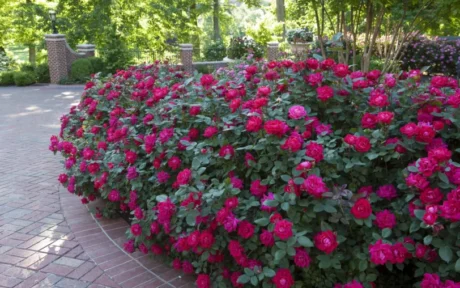
- Late Spring (May–June): This is peak bloom time for many natives. Consider wild indigo, penstemon, beardtongue, and native roses. Herbs like chives and thyme flower now, too.
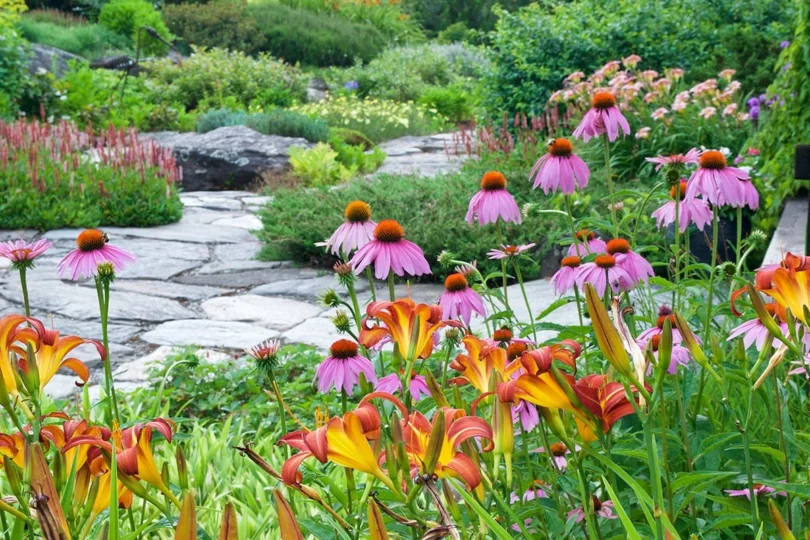
- Summer (July–August): Milkweeds, coneflowers, black-eyed Susans, bee balm, and mountain mint dominate summer gardens. This is when your garden should be buzzing with activity.
- Fall (September–October): Asters, goldenrods, and sedums provide critical fuel for migrating monarchs and bees preparing for winter. Don’t cut these back until spring, many beneficial insects overwinter in standing plant material.
3. Top Plant Recommendations by Pollinator Type
Choosing the right plants is the foundation of any successful pollinator garden, and the key is matching specific flowers to the creatures you want to attract. Bees, butterflies, hummingbirds, and even specialized native insects all have unique preferences when it comes to food sources, so understanding these differences helps you build a backyard that truly delivers for wildlife.
a. For Bees
Focus on flowers with accessible pollen and nectar. Composite flowers (daisy-like heads made of many tiny florets) are bee favorites. Purple, blue, and yellow flowers attract the most bee visitors. Excellent choices include:
- Wild bergamot and bee balm
- Purple coneflower and black-eyed Susan
- Asters and goldenrods
- Native willows and cherries
- Clover (white and crimson)
b. For Butterflies
Adults need nectar, but caterpillars need specific host plants to eat. Monarchs famously need milkweed, but other species have equally specific requirements. Swallowtails use parsley, dill, and fennel. Fritillaries need violets. Painted ladies enjoy thistles and hollyhocks. Plant both nectar sources and host plants to support complete butterfly life cycles.
c. For Hummingbirds
hese tiny birds are drawn to red, tubular flowers. They need substantial nectar volumes to fuel their high metabolisms. Top picks include:
- Cardinal flower and wild columbine
- Trumpet vine and coral honeysuckle
- Bee balm and salvias
- Trumpet creeper (use with caution, it can be aggressive)
d. For Specialized Bees
Some native bees only visit specific plants. Squash bees need cucurbits (squash, pumpkins, melons). Southeastern blueberry bees need blueberry bushes. If you grow these plants, you’re automatically supporting their specialized pollinators.
Creating Essential Habitat Features
Plants provide food, but pollinators need more than meals to thrive. Your backyard should offer water, shelter, nesting sites, and protection from pesticides to truly support healthy populations.
1. Providing Clean Water Sources
Pollinators need water for drinking and, in the case of some bees, for cooling their hives. A simple birdbath works, but add stones or marbles to create shallow landing spots, bees can’t swim and will drown in deep water. Change the water every few days to prevent mosquito breeding and keep it fresh.
For a more natural approach, create a shallow depression lined with pebbles in a sunny spot. Keep it consistently moist, or install a small solar fountain for moving water, which attracts more wildlife and prevents stagnation. Butterflies particularly enjoy “puddling” in muddy spots where they extract minerals from soil.
2. Building Nesting and Overwintering Habitat
Most native bees are solitary and don’t live in hives. Instead, they nest in bare ground, hollow stems, or holes in wood. You can support them by:
- Leaving bare ground: Many bees, including important squash pollinators, nest in undisturbed soil. Leave some areas mulch-free and avoid tilling where possible.
- Creating stem bundles: Bundle hollow plant stems (from plants like elderberry, raspberry, or bee balm) and place them horizontally in a sheltered spot. Different diameter stems attract different bee species.
- Installing bee hotels: These man-made structures provide nesting tubes for cavity-nesting bees. Place them 3-5 feet off the ground in morning sun, with the tubes tilted slightly downward to prevent rain entry. Clean or replace tubes annually to prevent parasite buildup.
- Preserving standing plant material: Resist the urge to cut everything back in fall. Hollow stems and leaf litter provide overwintering sites for countless beneficial insects. Wait until temperatures consistently reach 50°F in spring before clearing debris.
3. Providing Shelter from Wind and Weather
Pollinators are small and vulnerable to harsh conditions. Windbreaks help them navigate and forage more efficiently. Use fences, shrubs, or tall perennials to create sheltered pockets within your garden. Evergreens provide particularly valuable winter protection.
Rock piles or walls offer basking spots for butterflies, which need warmth to fly. Position these in sunny locations where butterflies can warm up on cool mornings.
Eliminating Threats: Pesticides and Lawn Culture
Creating habitat means nothing if you’re simultaneously poisoning the wildlife you’re trying to attract. Pesticides are a leading cause of pollinator decline, and many products marketed as “safe” are anything but.
1. Understanding Pesticide Risks
Neonicotinoids, a class of systemic insecticides, are particularly dangerous. They’re absorbed by plants and expressed in pollen and nectar, meaning pollinators are exposed even when spraying isn’t occurring. These chemicals have been linked to colony collapse disorder in honeybees and are toxic to most insects. Many studies suggest that even sublethal exposure affects bee navigation, foraging efficiency, and reproduction.
Herbicides aren’t directly toxic to pollinators, but they eliminate the “weed” flowers that provide important food sources, especially in early spring when options are limited. Dandelions, clover, and plantain, common lawn weeds, are actually excellent pollinator plants.
2. Adopting Organic Practices
Transitioning to organic gardening doesn’t mean accepting total crop loss. Integrated Pest Management (IPM) approaches focus on prevention, monitoring, and least-toxic interventions:
- Start with healthy soil: Strong plants resist pests better than stressed ones. Add compost and mulch to build soil biology.
- Accept some damage: A few holes in leaves rarely kill plants. Learn to distinguish cosmetic damage from serious threats.
- Use physical controls: Hand-picking, row covers, and water sprays handle many pest issues without chemicals.
- Target specific pests: If intervention is necessary, use products like Bt (for caterpillars) or insecticidal soap (for soft-bodied insects) that break down quickly and don’t persist in the environment.
3. Rethinking Your Lawn
Traditional turf grass is essentially a pollinator desert, few flowers, no nesting habitat, and often maintained with chemicals and frequent mowing. Consider reducing your lawn area by expanding garden beds, creating meadow patches, or installing native ground covers.
If you keep lawn areas, mow less frequently and raise your blade height to 3-4 inches. Taller grass shades out weeds and allows low-growing flowers like clover and violets to bloom. Leave clippings to fertilize naturally. These simple changes can make lawns surprisingly valuable for pollinators while reducing your maintenance time.
Designing for Aesthetics and Function
Pollinator gardens can be beautiful as well as functional. The key is intentional design that looks cultivated rather than chaotic.
1. Applying Basic Design Principles
Creating a pollinator garden that looks intentional and polished rather than weedy and neglected comes down to a few fundamental design strategies that professional landscape architects use everywhere. The first principle is establishing clear structure with shrubs and trees, which serve as the backbone of your garden design and provide essential early spring food sources before perennials wake up. Use these woody plants to frame desirable views, create natural privacy screens, or anchor the corners of your property, giving the eye resting points amid the seasonal chaos of flowering perennials. Native shrubs like serviceberry, elderberry, and buttonbush not only produce nectar-rich blooms but also offer berries for birds and attractive fall color, making them workhorses in the landscape.
The second key strategy is repeating plants in generous drifts rather than dotting individual specimens randomly across your yard. Pollinators are energy-efficient foragers, they need to visit hundreds or thousands of flowers to meet their nutritional needs, so they naturally gravitate toward dense patches where they can work efficiently without wasting energy flying between scattered plants. From a human perspective, drifts of three to seven plants of the same species create visual rhythm and cohesion that reads as deliberate design rather than happy accident. This approach also simplifies maintenance, as you can manage groups of plants with similar needs together rather than tending dozens of different species with unique requirements.
Height and texture layering represents the third essential principle, following the classic border formula of tall plants at the rear, medium heights in the middle, and ground-hugging species up front. In island beds or circular designs, place the tallest elements at the center and work outward. This tiered structure ensures every plant remains visible and accessible to both pollinators and human admirers, while creating the depth and dimension that make gardens feel professionally designed. Don’t forget to weave in non-plant elements like birdbaths, rustic benches, or simple arbors, these features signal that your space is a cultivated garden meant for enjoyment, not an untamed thicket that neighbors might mistake for neglect.
- Create structure with shrubs and trees: These provide the “bones” of your garden and early spring food. Use them to frame views, create privacy, or anchor corners.
- Repeat plants in drifts: Pollinators find flowers more easily when the same species is planted in groups of at least three to five plants. Drifts also look more intentional than scattered individual plants.
- Consider height and texture: Place tall plants at the back of borders (or center of island beds), mid-height plants in the middle, and ground covers at the front. This creates depth and ensures all plants are visible and accessible.
- Include non-plant elements: Birdbaths, benches, arbors, and decorative elements make the garden feel designed and welcoming to humans as well as wildlife.
2. Managing Neighbor Relations
Not everyone appreciates the “wild” look of pollinator gardens. Keep edges neat with defined borders, using stone, brick, or metal edging creates a clear transition between garden and lawn. Include familiar plants like black-eyed Susans and coneflowers that neighbors recognize as “real” flowers rather than weeds. Place the most structured, colorful plantings where they’re highly visible, saving wilder areas for backyard sections.
Educational signage helps, too. Simple signs explaining that your garden is a certified wildlife habitat or pollinator sanctuary often converts skeptics into supporters. Many people simply don’t understand the purpose of less manicured landscapes.
Maintaining Your Pollinator Garden Through the Seasons
Established pollinator gardens require less maintenance than traditional landscaping, but they do need seasonal attention to look their best and function effectively.
1. Spring Tasks
As temperatures warm and pollinators emerge, resist the urge to immediately clear last year’s growth. Wait until daytime temperatures consistently reach 50°F to ensure overwintering insects have emerged. Then, gently remove dead annuals and cut back perennials, leaving 12-18 inches of stem for cavity-nesting bees.
This is also the time to divide crowded perennials, add new plants, and refresh mulch in pathways and between plants (keeping it away from stems to prevent rot). Early spring is ideal for planting bare-root trees and shrubs.
2. Summer Care
Water new plantings regularly until established (usually one full growing season). Mature native plants rarely need supplemental watering except during extreme drought. Deadhead spent flowers to encourage reblooming, or leave seed heads for birds and winter interest.
Monitor for pest problems, but remember that some damage is normal and acceptable. Hand-pick problematic insects or use targeted organic treatments only when necessary. Keep water sources filled and clean.
3. Fall and Winter Preparation
Fall is planting season for many native species, cooler temperatures and reliable rainfall help plants establish strong root systems before winter. It’s also the time to plant spring-blooming bulbs and scatter seeds for species that need cold stratification.
Resist the urge to “clean up” completely. Leave standing plant material, leaf litter, and bare ground exposed. These provide essential overwintering habitat. If you must tidy for aesthetics, create brush piles in out-of-the-way corners where insects can shelter.
Getting Certified and Connecting with Community
Formal certification programs add credibility to your efforts and connect you with broader conservation networks.
1. Certification Programs
The National Wildlife Federation’s Certified Wildlife Habitat program recognizes gardens that provide food, water, cover, and places to raise young. Monarch Waystation certification specifically recognizes gardens that support monarch butterfly conservation. Xerces Society and many state extension programs offer similar certifications.
These programs typically require an application fee, but they provide signage, educational materials, and the satisfaction of knowing your garden meets recognized standards for wildlife support.
2. Sharing Your Success
Document your garden’s progress through photos and pollinator counts. Participate in community science projects like the Great Sunflower Project or iNaturalist, which track pollinator populations. Share your experiences with neighbors, many people want to help pollinators but don’t know where to start.
Consider hosting garden tours or workshops once your garden is established. Personal connections and visible examples are powerful tools for spreading pollinator-friendly practices throughout your community.
Frequently Asked Questions (FAQ)
Creating a space that welcomes bees, butterflies, and birds raises plenty of questions for beginners and experienced gardeners alike. Here are answers to the most common concerns people have when they start planning their pollinator paradise.
1. Do I need a large yard to help pollinators?
Not at all. Even small spaces make a difference. A balcony with potted native plants, a window box with herbs, or a small border along your driveway all provide valuable food sources. Urban gardens are increasingly recognized as important pollinator habitat because they often provide more diverse floral resources than surrounding agricultural areas. The key is density and diversity, pack many different plant species into whatever space you have.
2. Will a pollinator garden attract stinging insects and pests?
Pollinator gardens do attract bees, but these are generally docile, focused on foraging, and unlikely to sting unless handled or threatened. Most native bees can’t sting humans at all, and even honeybees and wasps are rarely aggressive when visiting flowers. As for “pests,” a healthy garden with diverse plantings actually experiences fewer serious pest problems than monoculture landscapes. Beneficial insects attracted by your flowers will help control pest populations naturally.
3. How much does it cost to create a pollinator garden?
Costs vary widely depending on plant size and source. Starting from seed is cheapest but requires patience, many native perennials take two to three years to bloom. Small plants (plugs) offer a middle ground, while mature specimens provide instant impact at higher cost. Many native plant societies hold sales with reasonable prices, and swapping divisions with neighbors costs nothing. Start small and expand gradually to spread costs over time.
4. Can I still have a vegetable garden if I’m growing for pollinators?
Absolutely, and you should! Vegetable gardens benefit enormously from nearby pollinator habitat. Many crops, squash, cucumbers, melons, tomatoes, peppers, and berries, all require insect pollination to produce fruit. Integrating flowers throughout your vegetable beds or bordering them with pollinator plantings increases yields while supporting wildlife. Just avoid using pesticides in your edible plantings.
5. What if my homeowners association bans “weedy” looking gardens?
Work within the system while pushing for change. Start by creating a polished, clearly designed garden using familiar plants like coneflowers and black-eyed Susans. Use hardscaping and edging to signal intentionality. Document your garden’s wildlife value and share information with your HOA board, many organizations are updating rules as they learn about pollinator declines. Some states now have “right to garden” laws protecting environmentally beneficial landscaping.
6. How do I handle neighbors who use pesticides?
This is challenging but manageable. Physical barriers like hedgerows or fences can reduce drift. Planting your most sensitive pollinator plants on the opposite side of your property from neighboring lawns helps. Most importantly, communicate with neighbors about your goals, many people don’t realize their lawn treatments affect nearby gardens and will modify their practices when asked politely. Offering to share plants or produce from your garden builds goodwill.
Building a Better Future One Backyard at a Time
When you create a pollinator-friendly backyard, you’re joining a growing movement of people who recognize that individual actions collectively drive significant change. Each garden, no matter how small, contributes to habitat connectivity in increasingly fragmented landscapes. Your milkweed might host the monarch that completes a thousand-mile migration. Your bee hotel could shelter the native bees that pollinate your neighborhood’s fruit trees. The choices you make about plants, pesticides, and maintenance practices ripple outward, influencing neighbors, supporting local ecosystems, and contributing to global biodiversity.
The beauty of pollinator gardening is that it rewards you as much as it helps wildlife. You’ll discover new species visiting your flowers, enjoy better harvests from your vegetables, and find deep satisfaction in watching your yard come alive with activity. Children who grow up around buzzing gardens develop lifelong connections to nature. Adults find stress relief in observing these industrious creatures at work. Communities strengthen when neighbors share seeds, swap gardening tips, and celebrate the butterflies passing through.
Start today. Even a single native plant in a pot is a step in the right direction. As you learn and your garden grows, you’ll find that creating a pollinator-friendly backyard isn’t just about gardening, it’s about participating in the web of life that sustains us all.