How to Attract Dragonflies to Your Garden Pond for Mosquito Control

Dragonflies are nature’s most efficient mosquito hunters, and learning how to attract dragonflies to your garden pond for mosquito control can transform your outdoor space into a peaceful, bite-free zone. These ancient aerial predators have been around for over 300 million years, perfecting their hunting skills long before humans started swatting at pesky insects. If you are tired of chemical sprays and citronella candles that barely work, creating a dragonfly-friendly habitat offers a natural, beautiful solution that keeps working all summer long.
Many homeowners do not realize that one adult dragonfly can consume up to 100 mosquitoes per day, while their underwater larvae feast on mosquito larvae by the hundreds during development. This makes them far more effective than any store-bought trap or repellent. The best part is that attracting dragonflies does not require a massive landscape transformation or expensive equipment. Even a small container water feature can bring these beneficial insects to your yard if you set it up correctly. In this guide, you will discover exactly how to create the perfect dragonfly habitat, from water depth requirements to plant selection, sunning spots, and maintenance tips that keep your winged allies coming back year after year.
Why Dragonflies Make Perfect Natural Mosquito Control
Dragonflies serve as dual-stage predators that attack mosquitoes both in water and air, making them uniquely effective compared to other natural pest control methods. Understanding this two-phase hunting system helps you appreciate why these insects deserve a welcoming habitat in your garden.
1. The Larval Stage: Underwater Mosquito Hunters
Dragonfly larvae, called nymphs, live underwater for months or even years depending on the species, and they actively hunt mosquito larvae as a primary food source. A single dragonfly nymph can consume hundreds of mosquito larvae during its development period, which typically lasts between two months and five years based on species and environmental conditions. These underwater predators use an extendable hinged jaw called a labium that shoots out instantly to catch prey, making them incredibly efficient hunters even in murky water conditions.
Unlike mosquito larvae that float near the surface, dragonfly nymphs prefer areas with vegetation and debris where they can hide and ambush their prey. They also eat other aquatic pests including midge larvae, aquatic worms, and small insects that might otherwise become nuisances in your garden. This means your pond becomes a self-regulating ecosystem where dragonflies handle pest control naturally without any chemicals or intervention from you.
2. Adult Dragonflies: Aerial Acrobats That Clear the Skies
Once dragonflies emerge from their larval stage and take to the air, they continue their mosquito-hunting mission with remarkable efficiency. Adult dragonflies catch flying insects using their exceptional vision and maneuverability, with some studies showing they successfully capture prey on up to 95 percent of their hunting attempts. Their large compound eyes contain up to 30,000 individual lenses, allowing them to detect the slightest movement of mosquitoes and other small flying insects.
Adult dragonflies hunt during daylight hours when mosquitoes are most active, creating a protective barrier around your garden and outdoor living spaces. They patrol specific territories, returning to the same areas daily once they establish a hunting ground. This territorial behavior means that once you attract dragonflies to your garden pond for mosquito control, they will stick around and defend your space against flying pests throughout the summer season.
Creating the Perfect Dragonfly Pond: Size and Depth Requirements
You do not need a massive water feature to attract dragonflies successfully. In fact, smaller ponds often work better for beginners because they are easier to maintain and establish dragonfly populations more quickly.
1. Minimum Size and Depth Specifications
A pond as small as 3 feet in diameter and 18 inches deep can successfully attract dragonflies, though larger ponds up to 6 feet across provide even better habitat diversity. The key depth requirement involves creating varied zones: shallow areas of 6 to 12 inches for perching and egg-laying, and deeper sections of at least 18 inches where larvae can hide from predators and survive winter conditions in colder climates.
If space is limited, you can use a large container such as a whiskey barrel, stock tank, or even a heavy-duty plastic storage bin as your pond base. The minimum viable container size should hold at least 20 gallons of water to maintain stable temperatures and support aquatic life. Even a balcony container pond can attract damselflies and smaller dragonfly species, proving that anyone can create dragonfly habitat regardless of yard size.
2. Location Selection for Maximum Dragonfly Activity
Dragonflies are cold-blooded insects that require external heat sources to maintain their body temperature and energy levels. Position your pond in a location that receives at least 6 hours of direct sunlight daily, preferably with morning sun exposure that helps dragonflies warm up quickly and start hunting early in the day.
While sun is essential, you also need to provide sheltered areas where dragonflies can escape wind and cool down during peak heat. Plant tall grasses, shrubs, or wildflowers on the north and west sides of your pond to create natural windbreaks and shade zones. This combination of sunny open water and sheltered perching spots creates the ideal microclimate that dragonflies seek for hunting, resting, and breeding activities.
Essential Plants That Attract Dragonflies to Your Water Feature
Plant selection makes or breaks your dragonfly habitat project. You need three categories of plants: submerged aquatics for larval habitat, emergent plants for climbing and perching, and shoreline vegetation that attracts the insects dragonflies eat.
1. Submerged and Floating Aquatic Plants
Submerged plants provide essential hiding spots for dragonfly larvae and contribute to healthy water quality by oxygenating the water and absorbing excess nutrients. Wild celery works excellently as a fully submerged plant that grows to the surface, creating perfect egg-laying sites for adult dragonflies. Water lilies offer floating leaves where adults can rest and deposit eggs, while also providing shade that keeps water temperatures stable during hot weather.
For smaller ponds, consider compact varieties of these plants or use hornwort and anacharis, which are easy to manage and provide excellent larval habitat. Avoid invasive species like hydrilla or water hyacinth, which can overtake small ponds and create maintenance headaches while providing inferior habitat compared to native alternatives.
2. Emergent and Marginal Plants for Perching and Egg-Laying
Emergent plants with tall stems serve multiple critical functions in your dragonfly pond ecosystem. Cattails, arrowhead, and water iris provide vertical structures that larvae climb to emerge from their final molt and transform into adults. These same stems offer adult dragonflies perfect perching spots for hunting, sunning, and mating activities.
Plant these emergent species in shallow shelf areas or in containers placed on pond ledges where their roots stay wet but stems rise above water. Yellow flag iris, pickerelweed, and bog bean are particularly effective choices that also produce attractive flowers, adding visual appeal to your pond while serving dragonfly needs. The key is providing plants of varying heights, from 1-foot stems for smaller species to 3-foot or taller plants that accommodate larger dragonfly varieties.
3. Shoreline and Surrounding Garden Plants
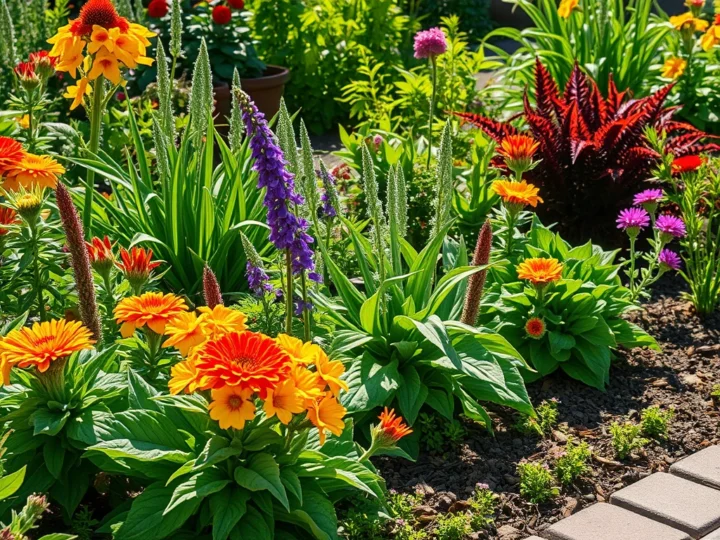
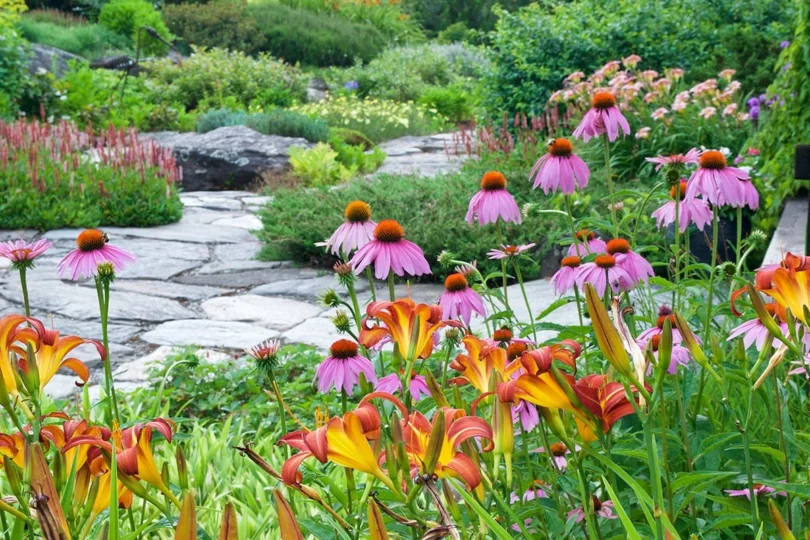
The area surrounding your pond matters just as much as the water itself for attracting dragonflies. Native wildflowers that attract pollinators and small flying insects create a food source that brings dragonflies to your garden. Black-eyed Susans, Joe-Pye weed, swamp milkweed, and meadow sage all attract butterflies, bees, and other insects that dragonflies hunt.
Leave patches of tall grass or native grasses unmowed near your pond edges, as these provide additional perching sites and hunting grounds. Dragonflies particularly favor vertical stems for perching, so plants like little bluestem, switchgrass, or even ornamental grasses work well. The combination of water plants and surrounding wildflowers creates a complete ecosystem that supports dragonflies throughout their entire life cycle.
Building Sunning Spots and Perching Structures
Dragonflies spend significant portions of their day resting and warming their bodies, so providing appropriate structures encourages them to stay in your garden longer and establish territories.
1. Flat Rocks and Basking Platforms
Place flat rocks, pavers, or concrete blocks around your pond edges where they receive full sun exposure throughout the day. These surfaces absorb heat and provide perfect basking spots where dragonflies can raise their body temperature for optimal flight performance. Position some rocks partially in the water and some fully on land to accommodate different species preferences and various weather conditions.
Large rocks also serve as emergence platforms for larvae climbing out of the water during their final molt. The rough texture gives them secure footing during this vulnerable transformation period. You can create attractive arrangements using different sized stones that look natural while serving these practical functions.
2. Sticks and Perching Poles
Dragonflies are visual hunters that prefer elevated vantage points for spotting prey. Place bamboo stakes, dead branches, or purpose-made perching sticks around your pond at various heights from 1 to 3 feet above ground or water level. Space these perches about 3 to 6 feet apart to accommodate multiple dragonflies without territorial conflicts.
Some gardeners create attractive perching structures by bundling tall reeds or creating teepee shapes with branches, adding visual interest while serving dragonfly needs. These structures work especially well when positioned near sunny open areas where dragonflies can spot flying insects easily.
Water Quality and Maintenance for Dragonfly Health
Healthy water supports healthy dragonfly populations, but maintaining water quality does not require complicated filtration systems or chemical treatments.
1. Natural Filtration and Water Clarity
Dragonflies actually prefer slightly murky water with some organic debris, as this provides hunting cover for larvae and supports the aquatic insects they eat. Avoid over-filtering your pond or using UV clarifiers that sterilize the water completely. Instead, rely on plants and beneficial bacteria to maintain water quality naturally.
A thin layer of algae and some leaf debris on the pond bottom benefits dragonfly larvae by providing food sources and hiding spots. If water becomes too cloudy or develops excessive algae blooms, add more submerged plants to compete for nutrients rather than using chemical algaecides that harm aquatic life.
2. Avoiding Chemicals and Pesticides
This point cannot be emphasized enough: chemical pesticides and fertilizers kill dragonflies and their food sources, undermining your entire mosquito control strategy. Even organic pesticides like neem oil or pyrethrin sprays harm beneficial insects including dragonflies. Instead, practice integrated pest management by accepting some plant damage and relying on natural predators like dragonflies to control pest populations.
If you must fertilize nearby garden plants, use slow-release organic fertilizers that do not run off into pond water. Keep lawn chemicals and herbicides far from your dragonfly habitat, as these chemicals accumulate in aquatic environments and poison larvae through their food sources.
How Long Before Dragonflies Arrive at Your New Pond
Patience is essential when establishing dragonfly habitat, as these insects operate on different timelines than typical garden wildlife.
1. First Season Expectations
Do not be discouraged if dragonflies do not appear immediately after building your pond. Adult dragonflies typically find new water sources within the first summer season, often within 4 to 8 weeks of pond establishment if you have created suitable habitat. You may see adults visiting to drink, bathe, or hunt even if they do not breed immediately.
Egg-laying and successful larval development usually begin in the second season after your pond matures and develops sufficient aquatic vegetation and insect populations. Some fast-developing species like emerald damselflies can complete their life cycle in 2 to 3 months, while larger dragonfly species may take 1 to 2 years to develop from egg to adult.
2. Encouraging Faster Colonization
You can speed up dragonfly colonization by purchasing native aquatic plants from reputable nurseries that may already contain dragonfly eggs or nymphs. Some garden centers specialize in wildlife pond plants that come with established beneficial insect populations. Additionally, creating connections to existing water sources through wildlife corridors helps dragonflies find your pond more easily.
If you live in an area with few natural water sources, your pond becomes even more valuable to local dragonfly populations and may attract species from surprising distances. Adult dragonflies are strong fliers that travel several miles daily, so your garden pond contributes to regional ecosystem health beyond your immediate property.
Seasonal Dragonfly Activity and What to Expect
Understanding dragonfly seasonal patterns helps you appreciate their presence and maintain appropriate expectations throughout the year.
1. Spring Emergence and Early Season Activity
As water temperatures rise above 50 degrees Fahrenheit in spring, overwintering dragonfly larvae become active and begin feeding heavily to fuel their final growth before emergence. This is when you may notice increased larval activity and the first adults emerging from your pond. Spring emergence typically peaks in late April through May in most temperate regions, though timing varies by local climate.
Early season dragonflies are often pale in color immediately after emergence and spend their first week away from water feeding and developing adult coloration. They return to water once sexually mature, usually within 7 to 10 days of emergence, to establish territories and begin breeding activities.
2. Summer Peak Season and Maximum Mosquito Control
June through August represents peak dragonfly activity when populations reach their maximum numbers and mosquito control benefits are strongest. During these months, you will see constant aerial activity around your pond with dragonflies hunting, mating, and defending territories. Multiple generations may overlap during summer, creating sustained high populations.
This is also when you are most likely to see diverse species visiting your garden, as warm weather brings out the full variety of local dragonfly populations. Keep your pond topped off with water during dry summer periods, as water level drops can strand larvae and reduce breeding success.
3. Fall Migration and Overwintering Preparations
Some dragonfly species migrate south in fall while others remain locally and enter diapause, a dormant state that carries them through winter. Large species like green darners are famous for their multi-generational migrations covering thousands of miles. Your pond may serve as a stopover site for migrating dragonflies, providing critical refueling habitat during their long journeys.
Local non-migratory species complete their breeding cycles in fall, with final larvae entering winter dormancy to emerge the following spring. You may notice increased egg-laying activity in September and October as females prepare the next generation for overwintering.
Creating a Complete Dragonfly Garden Ecosystem
Beyond the pond itself, surrounding landscape design significantly impacts dragonfly success and your enjoyment of these insects.
1. Connecting Habitat Elements
Think of your dragonfly pond as the centerpiece of a larger habitat network that extends into your entire garden. Create pathways of tall vegetation leading from the pond into sunny open areas where dragonflies can hunt. Maintain some wild, unmowed areas near the water where grasses and native plants grow naturally without interference.
Avoid creating barriers like solid fences or dense hedges immediately adjacent to your pond, as these block dragonfly flight paths and reduce hunting efficiency. Instead, use open fencing or widely spaced plantings that allow free movement while still providing some wind protection.
2. Observation and Photography Opportunities
Dragonfly ponds offer endless fascination for nature observation and photography. Position seating areas 10 to 15 feet from the pond edge where you can watch activity without disturbing the insects. Morning hours provide the best observation opportunities as dragonflies bask in early sunlight and establish daily territories.
For photography, approach slowly and avoid sudden movements, as dragonflies are surprisingly tolerant of quiet observers once they accept your presence. The best shots often come when dragonflies are occupied with hunting or perching, completely focused on their activities rather than watching for threats.
Frequently Asked Questions (FAQ)
Dragonfly gardening raises many questions for beginners wanting to create effective habitat. Here are answers to the most common concerns people have when starting their dragonfly pond projects.
1. Can I attract dragonflies without building a permanent pond?
You can absolutely attract dragonflies using temporary water features or even without any water at all, though water significantly increases your success rate. Container ponds using large pots, stock tanks, or washing up bowls work excellently for small spaces and can be dismantled if needed. Even a birdbath with stones for perching may attract some damselfly species and visiting dragonflies looking for drinking water.
Without any water feature, focus on creating excellent hunting habitat by planting tall perching plants and wildflowers that attract small flying insects. Dragonflies may visit your garden to hunt even without breeding there, though they will not establish permanent populations without water for egg-laying and larval development.
2. What is the difference between dragonflies and damselflies in my pond?
Both dragonflies and damselflies belong to the same insect order Odonata and provide excellent mosquito control, but they have distinct characteristics you will notice around your pond. Dragonflies have thicker, sturdier bodies with eyes that usually touch at the top of their head, and they hold their wings out horizontally when resting. Damselflies are more slender with eyes clearly separated on the sides of their head, and they fold their wings together above their body when perched.
Damselflies are generally smaller and more delicate, often found perching on thinner stems closer to vegetation. Both species lay eggs in water and have predatory larvae, so your pond habitat supports both groups equally well. Having both dragonflies and damselflies indicates a healthy, diverse ecosystem in your water feature.
3. Do I need to feed dragonflies or their larvae?
Never attempt to feed dragonflies or introduce food into their habitat artificially. These insects are entirely self-sufficient hunters that catch live prey, and they will not accept provided food. Your role is simply creating habitat that supports natural food chains: aquatic plants support small aquatic insects that larvae eat, while surrounding flowers attract adult dragonfly prey.
If you want to boost food availability naturally, ensure your pond has plenty of decaying plant matter and organic debris that supports aquatic invertebrate populations. Avoid cleaning your pond too thoroughly, as this removes the very food sources your dragonfly larvae need for development.
4. Will fish in my pond eat dragonfly larvae?
Fish and dragonflies generally do not coexist well in small garden ponds. Fish, even small goldfish or minnows, actively prey on dragonfly larvae and eggs, significantly reducing or eliminating your dragonfly population. If your primary goal is mosquito control through dragonflies, keep your pond fish-free.
If you want both fish and dragonflies, create a much larger pond with deep areas where larvae can hide and establish fish-free zones using plant barriers. However, this requires significantly more space and management effort than a simple dragonfly-focused pond design.
5. How do I know if dragonflies are successfully breeding in my pond?
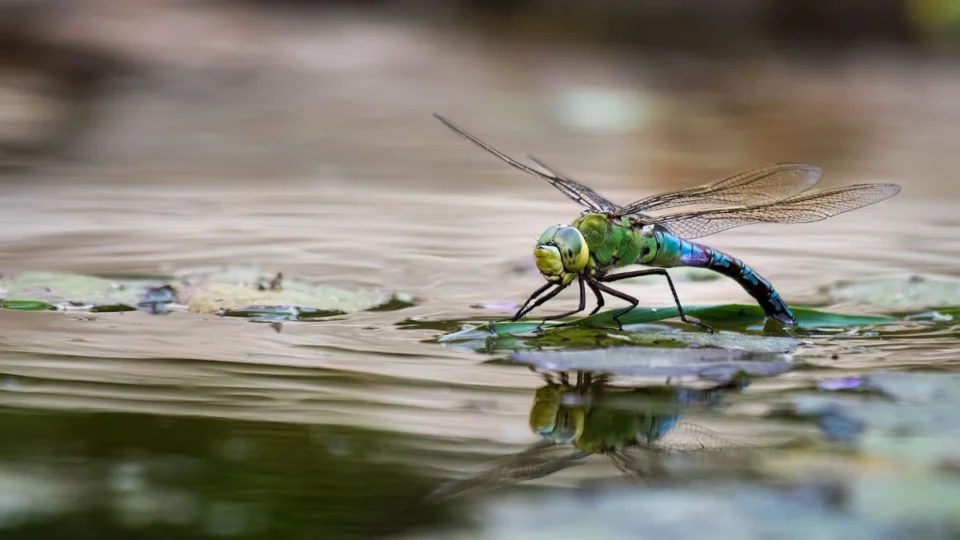
Successful breeding leaves several clear signs you can observe throughout the season. Watch for tandem flying pairs, where a male grasps a female behind her head while they fly together searching for egg-laying sites. You may also see females dipping their abdomens into water repeatedly to deposit eggs, or inserting eggs into plant stems above water level.
Later in summer, look for shed larval skins called exuviae attached to plant stems near the water surface, indicating successful emergence. These empty shells look like translucent versions of the larvae and remain attached for days after adults fly away. Finding exuviae confirms that your pond supports complete dragonfly life cycles from egg to adult.
6. Can dragonflies survive winter in my pond?
Dragonfly larvae are remarkably cold-hardy and survive winter conditions in most climates by remaining in their aquatic habitat. As temperatures drop, larvae slow their metabolism and burrow into mud or debris at the pond bottom where they remain dormant until spring. Ice cover does not harm them as long as the pond does not freeze completely solid to the bottom.
In very cold climates, ensure your pond has depths of at least 18 inches where water remains liquid even when surface ice forms. Avoid breaking ice forcibly during winter, as this shock can harm dormant larvae. Your dragonflies will emerge naturally when spring temperatures trigger their development to resume.
Enjoy Your Natural Mosquito Control System
Creating habitat for how to attract dragonflies to your garden pond for mosquito control represents one of the most rewarding gardening projects you can undertake. You gain a beautiful water feature, fascinating wildlife observation opportunities, and effective natural pest control that works continuously without any effort on your part. Unlike chemical solutions that require constant reapplication and pose health risks, your dragonfly pond becomes a self-sustaining ecosystem that improves year after year as populations establish and grow.
Start small if you are uncertain, using a container pond to test the concept before committing to a larger in-ground installation. Even modest efforts bring noticeable results, and you can always expand your dragonfly habitat as you gain confidence and observe the benefits. The key is taking that first step to add water, plants, and perching spots to your garden, then letting nature handle the rest. Before long, you will find yourself captivated by these ancient aerial predators patrolling your yard, knowing that every dragonfly you see represents hundreds of mosquitoes that will never bother you or your family.