Hemp-Based Building Materials (Hempcrete)

Hemp-based building materials, particularly hempcrete, are transforming how we think about sustainable construction in 2026. If you’re looking for an eco-friendly alternative to traditional concrete and insulation, you’ve probably stumbled across this remarkable material made from the hemp plant’s woody core. Unlike what some people assume, hempcrete doesn’t get you high, it gets your house built with one of the most environmentally responsible materials available today. This natural composite combines hemp hurds (the inner woody fibers) with lime and water to create a lightweight, breathable, and incredibly durable building material that’s catching the attention of architects, builders, and homeowners worldwide. Whether you’re planning a new build or renovating an existing structure, understanding hempcrete construction could save you money while dramatically reducing your carbon footprint.
What Exactly Is Hempcrete and How Does It Work?
Hempcrete isn’t concrete, despite the confusing name. Traditional concrete relies on cement as a binder, which produces massive amounts of CO2 during manufacturing. Hempcrete, on the other hand, uses hydraulic lime as its binding agent mixed with hemp shiv, the woody inner part of the hemp stalk that most people don’t even know exists. When these ingredients combine, they create a bio-composite material that continues to absorb carbon dioxide from the atmosphere as it cures and throughout its entire lifespan.
The magic happens through a process called carbon sequestration. While growing, hemp plants absorb CO2 rapidly, more efficiently than most trees. That carbon gets locked into the hemp hurds and stays trapped inside your walls for decades. Then, as the lime in hempcrete slowly carbonates over time, it absorbs even more CO2 from the air. This means hempcrete buildings actually become carbon-negative structures, removing more greenhouse gases from the atmosphere than were produced during their construction.
The material works differently than conventional insulation too. Hempcrete provides thermal mass rather than just thermal resistance. It regulates temperature by absorbing heat during the day and releasing it slowly at night, creating incredibly stable indoor environments. This thermal inertia reduces heating and cooling demands significantly, especially in climates with wide temperature swings between day and night.
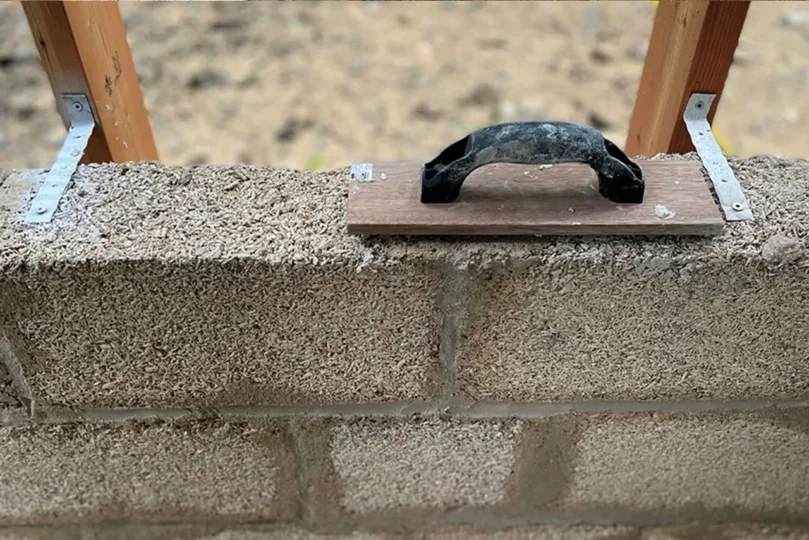
Builders typically use hempcrete in one of three ways: cast-in-place methods where the mixture is packed into temporary forms against structural frames, pre-cast blocks that stack like traditional masonry, or spray-applied techniques for retrofits and specific architectural details. Each method suits different project types, but all deliver the same core benefits of breathability, moisture management, and environmental performance.
Why Hempcrete Outperforms Traditional Building Materials
When you stack hempcrete against conventional options like concrete, fiberglass insulation, or synthetic foam boards, the differences become striking. Most modern buildings create a sealed environment that traps moisture, leading to mold issues, poor air quality, and eventual structural damage. Hempcrete solves this through its natural vapor permeability, it allows moisture to pass through walls rather than trapping it, preventing the condensation problems that plague standard construction.
The health benefits extend beyond moisture control. Hempcrete contains no toxic chemicals, volatile organic compounds, or synthetic fibers that can off-gas into living spaces. People with chemical sensitivities, allergies, or respiratory conditions often report dramatic improvements when moving into hempcrete homes. The material naturally regulates humidity levels between 40-60%, creating conditions that discourage dust mites and mold while keeping the air comfortable for human occupants.
Fire resistance surprises many first-time hempcrete users. Despite being made from plant material, hempcrete achieves excellent fire ratings because the lime binder essentially mineralizes the hemp fibers. When exposed to flame, the surface chars slowly without releasing toxic smoke, providing valuable evacuation time. Testing shows hempcrete walls can withstand fire exposure for hours without structural failure, outperforming many conventional wood-framed assemblies.
Acoustic performance represents another hidden advantage. The porous, irregular structure of hempcrete absorbs sound exceptionally well, creating quieter interior environments without additional insulation layers. Homeowners near busy roads or in multi-family buildings notice significant noise reduction compared to standard construction.
Durability spans centuries rather than decades. Historical examples of hemp-lime construction in Europe date back hundreds of years, with structures remaining solid and functional today. Unlike modern materials designed for replacement every 20-30 years, hempcrete actually strengthens as it ages. The ongoing carbonation process creates increasingly dense, harder material over time while maintaining breathability.
The Environmental Impact of Choosing Hemp-Based Construction
Construction accounts for nearly 40% of global carbon emissions when you factor in material production, transportation, and building operations. Switching to hemp-based building materials offers one of the most dramatic ways to reduce this footprint. A single hempcrete home can sequester between 10-20 tons of CO2, equivalent to removing several cars from the road for a year.
Hemp cultivation itself provides environmental benefits before the material ever reaches a construction site. The plants grow rapidly, reaching 10-15 feet in just 100 days, requiring minimal water compared to traditional crops. Hemp naturally suppresses weeds, eliminating the need for herbicides. Its deep root systems improve soil health, prevent erosion, and can even remediate contaminated land through phytoremediation, absorbing heavy metals and toxins from soil.
Unlike concrete production, which releases approximately one ton of CO2 for every ton of cement produced, hempcrete manufacturing stays low-energy. The lime binder requires heating during production, but at significantly lower temperatures than cement. Hemp hurds are essentially agricultural waste products from fiber and seed production, meaning the construction industry can utilize material that might otherwise decompose and release methane.
Transportation emissions decrease with local sourcing. Hemp grows in diverse climates across North America, Europe, and Asia, allowing regional production that minimizes shipping distances. As the industry expands, we’re seeing hemp processing facilities emerge closer to growing regions, further reducing the carbon footprint of hempcrete construction.
Waste reduction completes the environmental picture. At end-of-life, hempcrete can be crushed and returned to soil as agricultural lime, or recycled into new construction mixes. It doesn’t create the landfill burden associated with synthetic insulation materials that persist for centuries without decomposing.
How to Build With Hempcrete: Methods and Best Practices
Understanding construction techniques helps you plan projects effectively and communicate with contractors. The cast-in-place method remains most common for new construction, involving temporary wooden forms built around timber or steel structural frames. Workers mix hempcrete on-site or receive ready-mix deliveries, then pack the material into forms by hand or with pneumatic equipment. Forms are removed after 6-12 hours, revealing solid walls that continue hardening for weeks.
Pre-cast blocks offer advantages for specific situations. These factory-made units stack like oversized bricks, speeding construction and allowing work in weather conditions that would stop cast-in-place operations. Block systems work well for infill walls, garden structures, and interior partitions where speed matters. However, blocks create more seams that require careful sealing to maintain the continuous breathability that makes hempcrete special.
Spray application represents the newest technique, using modified stucco equipment to apply hempcrete against existing structures or complex architectural forms. This method excels for retrofits, adding insulation to historic buildings without altering their appearance, or creating curved walls that would be difficult with traditional forming. The sprayed material requires less labor than hand-packing but needs skilled operators to achieve consistent density.
Structural considerations differ from conventional building. Hempcrete provides insulation and enclosure but doesn’t bear significant structural loads, your frame carries the weight. This non-structural role actually simplifies engineering since hempcrete walls don’t need to meet compressive strength requirements like concrete or masonry. However, proper frame design becomes crucial, with timber or steel structures engineered to handle all building loads independently.
Moisture management during construction requires attention. Fresh hempcrete needs protection from heavy rain for the first 48-72 hours while initial setting occurs. After that, normal weather exposure actually helps the curing process through carbonation. Builders typically install temporary roofing or tarps during wall construction, then remove protection once walls reach sufficient hardness to withstand rainfall without erosion.
Finishing options have expanded dramatically. Traditional lime plasters remain popular for their breathability and aesthetic appeal, but modern hempcrete buildings also use clay plasters, natural paints, and even conventional materials at interior locations where breathability matters less. Exterior finishes must maintain vapor permeability, avoiding cement stuccos or synthetic coatings that would trap moisture and defeat hempcrete’s purpose.
Costs, Availability, and Economic Considerations
Budget concerns always drive construction decisions, and hempcrete requires honest assessment of upfront versus long-term costs. Material costs typically run 10-20% higher than conventional construction when comparing equivalent wall assemblies with insulation, sheathing, and interior finishes. However, this comparison misses the bigger economic picture.
Labor costs vary significantly by region and contractor experience. In areas with established hempcrete industries, parts of France, the UK, and increasingly North America, experienced crews work efficiently, keeping labor competitive with conventional framing and insulation. In emerging markets, you might pay premium rates for contractors learning the material, or invest time in training your own crew.
Long-term savings often justify higher initial investment. Energy bills in hempcrete buildings typically drop 50-75% compared to code-minimum construction, with savings accumulating over decades. Maintenance costs decrease because the material doesn’t support mold growth, resist pest infestations, or require the repairs that plague moisture-damaged conventional buildings. Insurance costs may decrease in fire-prone regions due to hempcrete’s excellent fire resistance.
Availability has improved dramatically over the past five years. What was once a specialty material requiring international shipping now has North American production facilities in multiple states and provinces. Hemp processing plants in Kentucky, Colorado, and Canada now supply regional markets, reducing costs and lead times. Pre-mixed hempcrete products delivered by truck function similarly to ready-mix concrete, simplifying logistics for larger projects.
Financing and appraisal present ongoing challenges. Some lenders and appraisers remain unfamiliar with hempcrete, potentially complicating mortgages or refinancing. Working with institutions experienced in alternative construction, or providing educational documentation about the material’s performance and durability, usually resolves these issues. As hempcrete buildings accumulate performance data and resale history, mainstream acceptance continues growing.
Common Myths and Misconceptions About Hempcrete
Confusion between industrial hemp and marijuana creates the most persistent myth. Industrial hemp contains less than 0.3% THC, the psychoactive compound in cannabis. You cannot get high from hempcrete, hemp insulation, or any other building material derived from industrial hemp. The plants look different, grow differently, and are regulated separately. Building with hempcrete is completely legal throughout the United States, Canada, and most of the world, though some regions maintain unnecessary restrictions on hemp cultivation that affect supply chains.
Strength concerns arise from comparing hempcrete to concrete. People hear “crete” and assume structural load-bearing capacity. Hempcrete weighs roughly one-eighth as much as concrete and serves entirely different purposes, it insulates, regulates moisture, and provides enclosure, while your timber or steel frame handles structural loads. This separation of functions actually represents sophisticated building science rather than a limitation.
Durability questions surface regularly, usually from people unfamiliar with lime-based construction. “Won’t it rot?” ignores the chemistry involved. The alkaline lime environment (pH around 12) prevents decomposition, creating conditions where hemp fibers mineralize rather than decay. European buildings using similar materials have stood for centuries, far outlasting modern construction designed for 50-year lifespans.
Code compliance concerns worry permit-seekers. Building codes increasingly recognize hempcrete through alternative compliance paths, engineering approvals, and prescriptive standards in some jurisdictions. France leads with established hempcrete building codes, while North American codes rapidly adapt as performance data accumulates. Working with architects and engineers experienced in alternative materials streamlines approval processes.
Maintenance misconceptions suggest hempcrete requires constant attention. In reality, properly built hempcrete walls need less maintenance than conventional construction. The material doesn’t crack from thermal movement like concrete, doesn’t rot like wood when properly designed, and doesn’t settle or degrade like synthetic insulation. Occasional lime washing or natural paint refreshing maintains appearance, but structural maintenance needs are minimal.
Real-World Applications and Project Examples
Residential construction dominates current hempcrete use, with single-family homes showcasing the material’s benefits most dramatically. The typical hempcrete house features 12-inch thick walls providing R-30+ thermal performance through thermal mass effects rather than just insulation value. Owners report incredibly stable indoor temperatures, superior air quality, and heating/cooling costs 60-80% below comparable conventional homes.
Multi-family and commercial projects are expanding rapidly. Apartment buildings in Europe and North America now use hempcrete for party walls, benefiting from acoustic isolation and fire separation. Office buildings incorporate hempcrete for healthy indoor environments that improve worker productivity and reduce sick building syndrome. Schools and healthcare facilities particularly value the non-toxic, breathable nature of hempcrete for vulnerable populations.
Retrofit applications solve problems in existing buildings. Historic structures with solid masonry walls often suffer from moisture issues when modern insulation traps water inside. Hempcrete provides insulation without sealing the wall, allowing centuries-old buildings to meet contemporary energy standards while preserving original materials. Spray application allows adding hempcrete to irregular historic walls that would be impossible to insulate with rigid boards.
Agricultural and outbuilding construction offers accessible entry points. Barns, workshops, and storage buildings don’t require the finishing levels of homes, making them perfect first projects for owner-builders learning hempcrete techniques. These structures demonstrate the material’s durability in exposed conditions while providing valuable experience for larger projects.
Emergency and temporary housing experiments show promise. Hempcrete’s simple mixing and forming process adapts to disaster relief situations where conventional construction materials are unavailable. Lightweight hempcrete blocks can be produced locally with minimal equipment, creating permanent, healthy housing faster than traditional reconstruction methods.
Frequently Asked Questions (FAQ)
Curious about how hempcrete actually works in real-world applications? You’re not alone. As more homeowners and builders discover hemp-based building materials, certain questions keep popping up about everything from construction timelines to legal considerations. This FAQ section tackles the most common concerns people have when considering hempcrete for their projects, providing straightforward answers based on current industry knowledge and practical experience. Whether you’re trying to understand the basics or diving into specific technical details, these responses should help clarify what to expect when building with this remarkable sustainable material.
1. What makes hempcrete different from regular concrete?
Hempcrete differs fundamentally from regular concrete in composition, function, and environmental impact. While concrete uses cement as a binder and provides structural strength, hempcrete uses lime as a binder and serves as insulation and moisture regulation. Concrete is dense, heavy, and vapor-impermeable, creating sealed environments that can trap moisture. Hempcrete remains lightweight, breathable, and vapor-permeable, allowing walls to manage moisture naturally. Most importantly, concrete production generates massive carbon emissions, approximately 8% of global CO2, while hempcrete actually removes carbon from the atmosphere throughout its lifespan. The materials aren’t interchangeable; concrete handles structural loads while hempcrete creates healthy, efficient enclosures around those structures.
2. How long does hempcrete take to cure and fully harden?
Initial setting happens within 24-48 hours, allowing form removal and continued construction. However, the complete curing process extends much longer as carbonation continues. Hempcrete reaches workable hardness within weeks but continues gaining strength for months or years. The lime binder slowly reacts with atmospheric carbon dioxide, gradually converting calcium hydroxide to calcium carbonate, essentially turning back into limestone. This process never truly stops, meaning hempcrete walls actually become harder and more durable over decades. For construction scheduling, plan on 4-6 weeks before applying finishes that require solid backing, though protective measures allow earlier interior work. Full moisture equilibrium with the environment typically establishes within the first year after construction.
3. Can I build with hempcrete in any climate or weather condition?
Hempcrete performs excellently across diverse climates from hot-humid to cold-dry conditions, though specific details adapt to local conditions. In very wet climates, wider roof overhangs and careful foundation detailing prevent excessive rain exposure during the curing period. Extremely cold regions may benefit from thicker walls or hybrid systems combining hempcrete with additional insulation layers. Hot, arid climates particularly suit hempcrete’s evaporative cooling effects and thermal mass properties. The material has proven successful from tropical Australia to Scandinavian winters, though local building science knowledge helps optimize details for specific conditions. During construction, protect fresh hempcrete from hard freezing for the first 72 hours and from heavy rain for the first 48 hours, after that, normal weather exposure actually aids the curing process.
4. Is hempcrete construction legal and code-approved where I live?
Code status varies by jurisdiction but improves constantly. France leads with specific hempcrete building standards, while the UK, Canada, and US states increasingly permit hempcrete through various compliance paths. Many projects gain approval through alternative materials and methods provisions, where engineers demonstrate that hempcrete meets or exceeds code intent for structural, fire, and energy performance. Some jurisdictions now include hempcrete in prescriptive code language, streamlining permits. The US Hemp Building Foundation and similar organizations work continuously to expand code recognition. Before planning your project, consult local building officials and consider involving architects or engineers experienced with natural building materials. Most obstacles stem from unfamiliarity rather than actual performance concerns, and education usually resolves permitting challenges.
5. How do I find contractors and suppliers for hempcrete projects?
Finding experienced help depends heavily on your location. Established markets like France, the UK, and parts of Canada have professional hempcrete contractors and multiple suppliers. Emerging markets like the US require more searching but options expand monthly. Start with organizations like the International Hemp Building Association, US Hemp Building Foundation, or regional natural building networks for contractor referrals. Suppliers increasingly operate nationally, shipping pre-mixed hempcrete or raw materials (hemp hurds and lime binders) to construction sites. Some owners choose to self-build or act as their own contractors, hiring laborers for the physical work while managing the project themselves. Training workshops and online courses now teach hempcrete techniques, enabling owner-builders to construct their own homes. For complex projects, investing in experienced consultation, even if contractors must travel, often prevents expensive mistakes that outweigh travel costs.
Building Tomorrow With Hemp-Based Materials Today
Hemp-based building materials, especially hempcrete, represent more than an alternative construction method, they embody a fundamental shift toward regenerative building practices that heal rather than harm our environment. As we face climate challenges requiring dramatic carbon emission reductions, the construction industry must transition from one of the world’s largest polluters to a sector that actively removes greenhouse gases from our atmosphere. Hempcrete makes this transition possible while delivering superior living environments for occupants.
The technology isn’t experimental or risky. Centuries of lime-based construction history combined with decades of modern hempcrete development provide proven performance data. Thousands of families already live in comfortable, healthy, efficient hempcrete homes across diverse climates worldwide. What changes now is accessibility, as supply chains mature, costs decrease, and building codes adapt to recognize this exceptional material.
For anyone planning construction, whether a modest backyard studio or a multi-family housing development, hempcrete deserves serious consideration. The combination of environmental responsibility, occupant health benefits, and long-term economic advantages creates compelling value that conventional materials simply cannot match. Yes, it requires learning new techniques and potentially working with unfamiliar contractors. Yes, it may cost slightly more upfront in some markets. But the payoff spans generations: buildings that nurture their occupants while cleaning the air we all share.
As you research your next building project, dig deeper into hemp-based building materials. Visit completed hempcrete homes, talk to owners about their experiences, and calculate the true lifecycle costs rather than just construction bids. You might discover that the future of sustainable construction isn’t some distant technological breakthrough, it’s already here, growing in fields and waiting to transform how we build.