Earth-Kind Roses: Low Maintenance Flora Care

Gardening shouldn’t feel like a full-time job. If you love the idea of stunning rose bushes covered in fragrant blooms but dread the thought of endless pruning, spraying, and fussing, Earth Kind roses low maintenance flora care might be exactly what your garden needs. These remarkable varieties have been scientifically tested and proven to thrive with minimal intervention, making them perfect for busy homeowners, beginner gardeners, or anyone who wants beautiful flowers without the headache.
According to research from Texas A&M University, Earth Kind roses are selected specifically for their superior pest and disease tolerance, drought resistance, and overall landscape performance. This means you can enjoy gorgeous roses without constantly battling black spot, aphids, or powdery mildew. Whether you are planning a new flower bed, replacing high-maintenance plants, or simply want to add some color to your yard with less work, understanding how to care for these resilient beauties will set you up for years of gardening success.
What Are Earth Kind Roses
Earth Kind roses represent a special designation created by Texas A&M AgriLife Extension Service to identify rose varieties that excel in real-world growing conditions without requiring chemical pesticides or intensive maintenance routines. These are not genetically modified plants. Instead, they are exceptional cultivars that have demonstrated outstanding performance through rigorous multi-year field testing across various climates and soil conditions.
The selection process is remarkably thorough. Candidate roses must survive and flourish for at least three years in test gardens with no supplemental watering after establishment, no synthetic pesticides, no commercial fertilizers, and only minimal pruning. Only varieties that maintain excellent foliage, produce abundant blooms, and show strong resistance to common diseases earn the coveted Earth Kind designation.
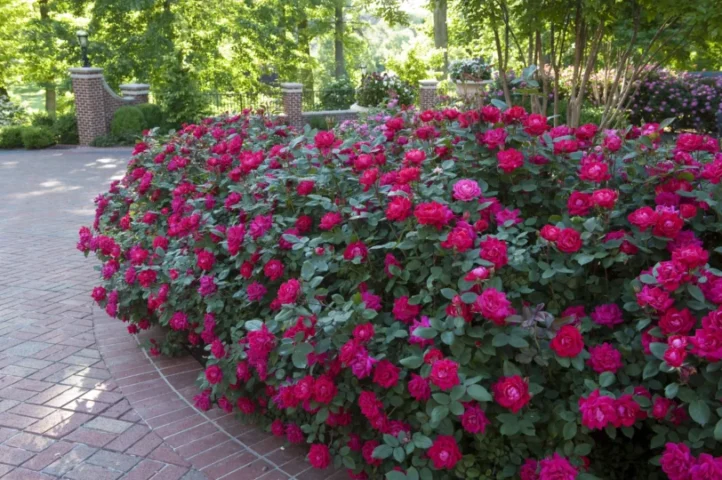
Currently, there are over 20 recognized Earth Kind rose varieties, ranging from climbing roses and shrubs to ground covers and classic hybrid teas. Popular choices include the deep pink Knock Out rose, the sunny yellow Julia Child, the classic red Belinda’s Dream, and the fragrant climber Madame Antoine Mari. Each brings its own personality to the garden while sharing the common trait of being remarkably self-sufficient.
Why Choose Earth Kind Roses for Low Maintenance Gardening
The benefits of incorporating Earth Kind roses low maintenance flora care into your landscape extend far beyond simply saving time. These plants offer a genuinely sustainable approach to gardening that works with nature rather than against it.
First, the water savings are substantial. Once established, Earth Kind roses need approximately 70 percent less water than traditional rose varieties. Their deep root systems and natural drought tolerance mean they can handle dry spells that would stress or kill more demanding plants. For gardeners in regions with water restrictions or those looking to reduce their environmental footprint, this characteristic alone makes them invaluable.
Disease resistance is another major advantage. Traditional roses often require weekly spraying programs to prevent black spot, rust, and mildew. Earth Kind varieties have been selected specifically for their genetic ability to resist these common problems. You will spend less money on fungicides, less time mixing and applying chemicals, and less energy worrying about your plants’ health.
The environmental benefits continue with reduced pesticide needs. Because these roses naturally resist insect damage and disease, they support healthier garden ecosystems. Beneficial insects like ladybugs and lacewings can thrive without being harmed by chemical treatments, creating a more balanced and biodiverse garden environment.
From a practical standpoint, the time savings are significant. Traditional rose care can easily consume several hours each week during the growing season. Earth Kind roses might need only a few hours of attention per season total, freeing you up to actually enjoy your garden rather than constantly working in it.
Selecting the Right Earth Kind Rose Varieties
Choosing the perfect Earth Kind rose for your specific situation involves considering several factors including your climate zone, available space, desired bloom color, and intended use in the landscape.
For hot, dry climates, varieties like Mutabilis and Carefree Beauty prove exceptionally resilient. Mutabilis produces single-petaled blooms that change from yellow to pink to crimson as they age, creating a multi-colored effect on a single bush. Carefree Beauty offers soft pink flowers on a shrub that can reach five feet tall and wide, making it excellent for hedges or background plantings.
If you have limited space or want container plantings, consider smaller varieties like The Fairy or Sea Foam. The Fairy produces masses of tiny pink blooms on a compact plant perfect for borders or patio containers. Sea Foam creates a low-growing mound of white flowers ideal for ground cover applications or cascading over walls.
For fragrance lovers, several Earth Kind varieties deliver exceptional scent. Madame Antoine Mari, a climbing rose with large pink blooms, fills the air with classic old rose fragrance. Belinda’s Dream offers a moderate tea rose scent along with its disease-resistant pink flowers. Julia Child provides a mild licorice-clove fragrance alongside its buttery yellow blooms.
Color preferences are well represented across the collection. Red options include the classic Belinda’s Dream and the vibrant Knock Out. Pink choices range from pale blush to deep magenta. Yellow varieties like Julia Child and Golden Showers brighten any garden. White options including Sea Foam and New Dawn provide elegant contrast and moon garden appeal.
Planting Earth Kind Roses for Success
Proper planting sets the foundation for years of low-maintenance enjoyment. While Earth Kind roses are forgiving plants, giving them a good start ensures they reach their full potential.
Site selection matters tremendously. Most Earth Kind roses prefer full sun, meaning at least six hours of direct sunlight daily. Morning sun is particularly beneficial as it helps dry dew from leaves quickly, reducing any disease pressure. Some afternoon shade in extremely hot climates can be beneficial, but avoid deeply shaded locations that will reduce blooming and encourage leggy growth.
Soil preparation should focus on drainage. Roses of all types dislike sitting in waterlogged soil. If you have heavy clay, consider amending with compost or planting in a raised bed. The planting hole should be about twice as wide as the root ball but no deeper. In most cases, you want the graft union, that swollen area where the rose variety meets the rootstock, to sit at or slightly above soil level.
Timing your planting can influence establishment success. Spring planting allows roots to establish before summer heat arrives. Fall planting in mild climates gives plants time to settle in before winter dormancy. Avoid planting during the hottest summer months or when the ground is frozen.
Watering during the establishment period is crucial. For the first two years, provide regular deep watering to encourage deep root development. Once established, you can gradually reduce supplemental watering as the plant develops the drought tolerance that makes Earth Kind roses so special.
Essential Care Tips for Earth Kind Roses
Even low-maintenance plants benefit from some basic attention. Understanding the simple care requirements will keep your Earth Kind roses looking their best with minimal effort.
Watering established plants should follow the deep and infrequent principle. A thorough soaking once a week during dry periods is better than light daily sprinklings. This encourages roots to grow deep into the soil where they can access moisture reserves during drought. Mulching with two to three inches of organic material like shredded bark or compost helps retain soil moisture and regulate temperature.
Fertilizing needs are minimal compared to traditional roses. A single application of slow-release organic fertilizer in early spring is usually sufficient for the entire growing season. Some gardeners add a light side-dressing of compost mid-season for an extra boost, but heavy feeding is unnecessary and can actually encourage soft, disease-susceptible growth.
Pruning requirements are refreshingly simple. Unlike hybrid tea roses that demand precise pruning techniques, Earth Kind varieties need only basic maintenance. Remove dead, damaged, or crossing branches in late winter or early spring. A light shaping trim after the first flush of blooms can encourage reblooming varieties to produce another wave of flowers. That is essentially it. No complicated cane counting or angle cutting required.
Deadheading, or removing spent blooms, is optional. Many Earth Kind roses are self-cleaning, meaning spent flowers drop off naturally. However, removing old blooms can encourage faster reblooming on varieties that produce multiple flushes per season. Simply snap off the faded flower at the base of the stem or cut just above the first set of five leaflets.
Common Pests and Disease Management
One of the greatest advantages of Earth Kind roses low maintenance flora care is the dramatically reduced pest and disease pressure. However, no plant is entirely immune to every problem, so knowing what to watch for helps you address issues quickly.
Aphids occasionally appear on new spring growth, particularly on varieties with tender young shoots. These small green or black insects suck plant sap and can distort new growth. Fortunately, they are easily managed without chemicals. A strong spray of water from the hose dislodges them effectively. Beneficial insects like ladybugs and lacewings usually arrive soon after to clean up any survivors.
Spider mites can become problematic during hot, dry weather. These tiny pests cause leaves to appear stippled or bronzed. Increasing humidity around plants through occasional overhead watering or misting helps prevent infestations. Maintaining plant vigor through proper watering also reduces mite problems naturally.
Japanese beetles are a seasonal nuisance in many regions. These metallic green and copper beetles feed on rose blooms and leaves during mid-summer. Handpicking into soapy water is effective for small infestations. Milky spore disease applied to lawns helps reduce grub populations over time, decreasing future beetle problems.
Regarding diseases, Earth Kind roses show remarkable resistance to black spot, the most common rose ailment. However, during extremely wet seasons, even these tough plants might show minor spotting. Improving air circulation through proper spacing and avoiding overhead watering usually prevents serious issues. If problems persist, removing affected leaves and applying organic fungicides like neem oil or copper soap provides control without harsh chemicals.
Seasonal Maintenance Calendar
Keeping your Earth Kind roses on track requires only seasonal attention rather than constant monitoring. Here is a simple calendar to guide your efforts.
In early spring, before new growth emerges, perform your main pruning session. Remove dead wood, thin crowded centers, and shape plants as desired. Apply a layer of compost or slow-release organic fertilizer around the base of plants. Refresh mulch to maintain a two to three inch layer.
Late spring brings the first major bloom flush. Enjoy the display and perform light deadheading if desired. This is a good time to observe plants for any pest issues and address them using organic methods if needed.
Summer care focuses on watering during dry spells and enjoying your garden. Deep watering every week or two during drought keeps plants healthy and blooming. Continue deadheading if you want to encourage reblooming on appropriate varieties.
Fall preparation involves minimal work. Allow the last blooms to form hips, the seed pods that follow flowers, as these provide winter interest and food for birds. Avoid heavy pruning or fertilizing that might stimulate tender new growth before winter. A final layer of mulch helps protect roots in colder climates.
Winter is largely hands-off. In very cold regions, a light covering of straw or leaves around the base provides extra insulation. Otherwise, simply wait for spring to begin the cycle again.
Designing Your Landscape with Earth Kind Roses
These versatile plants fit beautifully into various landscape styles and applications. Their reliability and low maintenance nature make them excellent choices for numerous design situations.
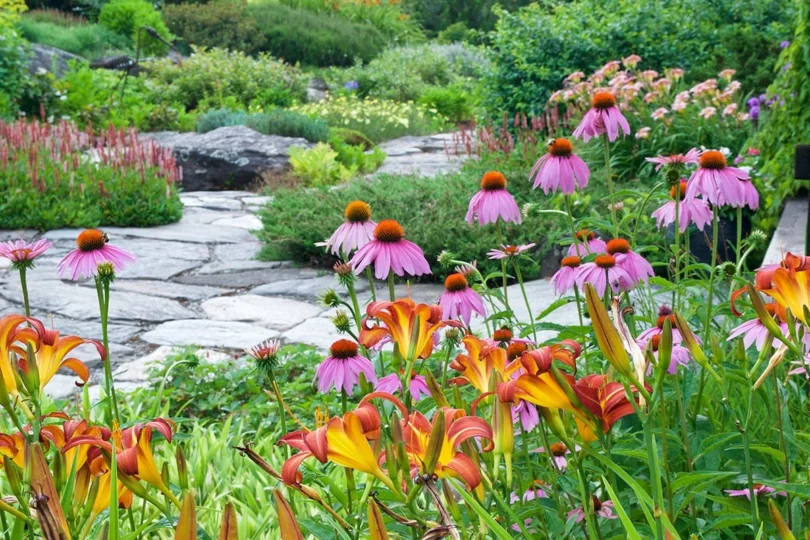
Mixed perennial borders benefit greatly from the structure and color Earth Kind roses provide. Their shrubby forms create excellent backbone plants around which you can arrange seasonal perennials and annuals. The yellow blooms of Julia Child pair beautifully with purple salvias and blue catmint. Pink varieties like Belinda’s Dream complement white shasta daisies and purple coneflowers.
Formal garden designs can incorporate Earth Kind roses without the traditional maintenance burden. Use them as low hedges, in parterre designs, or as specimen plants in geometric beds. Their consistent performance and tidy growth habits suit structured landscapes perfectly.
Cottage gardens embrace the romantic, informal nature of many Earth Kind varieties. Climbing types like New Dawn can cover arbors and fences with cascades of soft pink blooms. Shrub varieties fill beds with abundant color that returns reliably year after year.
Wildlife gardens appreciate the pollen, nectar, and habitat these roses provide. Single-flowered varieties like Mutabilis are particularly valuable for pollinators. The hips that follow flowering feed birds through winter months.
Container gardening is entirely feasible with compact Earth Kind varieties. Large pots on patios, decks, or balconies can host these roses successfully. Choose containers at least eighteen inches in diameter, use quality potting mix, and ensure adequate drainage holes.
Frequently Asked Questions
Even with all the benefits of Earth Kind roses low maintenance flora care, you might still have some questions before getting started. Whether you are wondering about watering schedules, container possibilities, or how these plants handle pests, here are the answers to the most common questions gardeners ask about growing these resilient beauties.
1, How much water do Earth Kind roses actually need?
Once established, Earth Kind roses are remarkably drought tolerant. During their first two growing seasons, provide regular deep watering to encourage root establishment. After that, natural rainfall usually suffices except during extended dry periods. During drought, a deep soaking every two to three weeks keeps them healthy and blooming. This represents a fraction of the water needed by traditional rose varieties.
2. Can I grow Earth Kind roses in containers?
Absolutely. Many compact varieties adapt well to container culture. Choose pots at least eighteen inches in diameter with excellent drainage holes. Use high-quality potting soil rather than garden soil. Container plants will need more frequent watering than in-ground plantings, but still less than traditional roses. Fertilize lightly in spring and provide winter protection in cold climates by moving containers to sheltered locations.
3. Do Earth Kind roses really need no spraying at all?
In most cases, yes. These varieties were selected specifically for their disease resistance and pest tolerance. Under normal growing conditions, they require no fungicide or pesticide applications. During unusually wet seasons, minor fungal issues might appear, but these rarely require treatment. Good cultural practices like proper spacing for air circulation and watering at the base of plants usually prevent any significant problems.
4. How long do Earth Kind roses live?
With minimal care, Earth Kind roses typically live fifteen to twenty years or longer. Their natural vigor and disease resistance contribute to longevity that often exceeds more demanding varieties. Many gardeners report their Earth Kind plantings thriving for decades with only basic maintenance.
5. Are Earth Kind roses fragrant?
Fragrance varies by variety. Some, like Madame Antoine Mari and Belinda’s Dream, offer classic rose scents. Others, like Knock Out, have little to no fragrance. When selecting plants, check variety descriptions if fragrance is important to you. Even less fragrant varieties contribute visual beauty and ecological benefits to your garden.
6. Can I use Earth Kind roses for cut flowers?
Many varieties produce excellent cut flowers. Belinda’s Dream, Double Knock Out, and Julia Child all provide long-stemmed blooms perfect for arrangements. Harvest flowers in the morning when they are fully hydrated. Cut stems at an angle and place immediately in water. Even varieties with shorter stems work beautifully in small bouquets and floating flower arrangements.
7. Do Earth Kind roses attract bees and butterflies?
Yes, these roses are excellent pollinator plants. Single and semi-double flowered varieties like Mutabilis are particularly attractive to bees and butterflies. The open flower structure allows easy access to pollen and nectar. By planting Earth Kind roses, you support local pollinator populations while enjoying beautiful blooms.
Enjoy Beautiful Roses with Minimal Effort
Earth Kind roses low maintenance flora care represents the future of sustainable gardening. These exceptional plants prove that you do not have to choose between a beautiful garden and a manageable maintenance schedule. By selecting varieties suited to your climate and following simple establishment and care guidelines, you can enjoy months of colorful blooms, support beneficial wildlife, and reclaim your weekends from endless garden chores.
Whether you are a beginner gardener intimidated by complex rose care requirements or an experienced horticulturist looking to simplify your landscape, Earth Kind roses offer a proven solution. Their combination of drought tolerance, disease resistance, and reliable performance makes them the smart choice for modern gardens. Start with one or two varieties this season, and you will likely find yourself planning where to add more of these remarkable plants next year.