Compostable vs Biodegradable vs Oxo-Degradable

Navigating the world of sustainable materials can feel overwhelming, especially when every product claims to be “green.” Understanding the differences between compostable vs biodegradable vs oxo-degradable products is essential for making informed choices that actually help the environment rather than contribute to greenwashing. These three terms are often used interchangeably by marketers, but they represent fundamentally different processes, end results, and environmental impacts. Whether you’re a conscious consumer, a business owner looking to switch to sustainable packaging, or simply curious about eco-friendly alternatives to traditional plastic, this guide breaks down everything you need to know in plain, simple language.
What These Terms Actually Mean
The confusion around compostable vs biodegradable vs oxo-degradable stems from vague marketing and a lack of standardized labeling. Many people assume that if something is labeled “biodegradable,” it will naturally break down into harmless components. Unfortunately, that’s not always the case. Each category has specific conditions required for decomposition, different timelines for breakdown, and varying impacts on soil and ecosystems. Knowing these distinctions helps you avoid accidentally purchasing products that harm the environment while thinking you’re making a sustainable choice.
1. Compostable Materials Explained
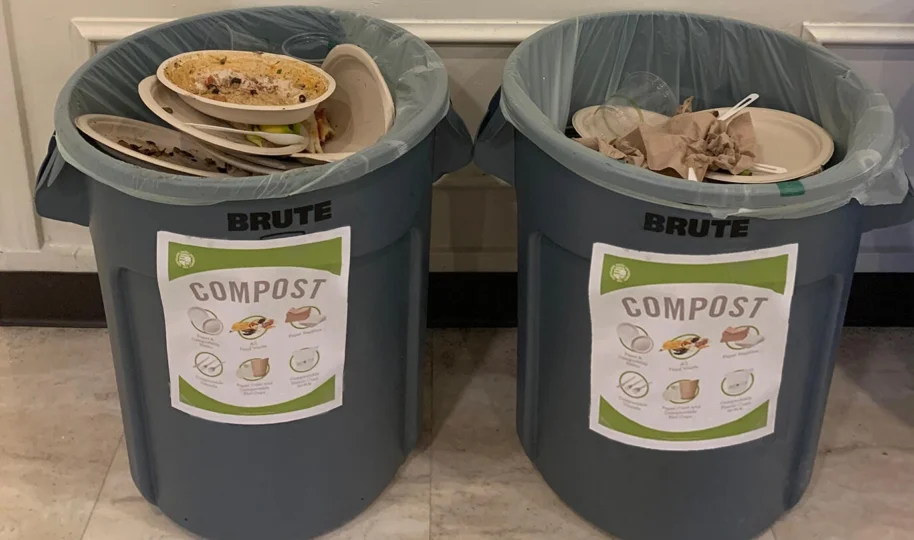
Compostable products are designed to break down completely into nutrient-rich organic matter under specific composting conditions. Unlike general biodegradable items, compostable materials must meet strict standards such as ASTM D6400 or EN 13432, which certify that they will decompose within a specific timeframe without leaving toxic residue. These products require industrial composting facilities that maintain high temperatures between 122 and 140 degrees Fahrenheit, along with proper moisture and oxygen levels. Home compostable products exist but are less common and break down more slowly in backyard compost bins. True compostable items transform into carbon dioxide, water, and biomass that actually enrich soil rather than pollute it. Common compostable materials include plant-based plastics like PLA (polylactic acid), bagasse (sugarcane fiber), and certain types of molded fiber packaging designed for food service applications.
2. Biodegradable Materials Breakdown
Biodegradable refers to any material that can be broken down by microorganisms like bacteria and fungi over time. While this sounds promising, the term is incredibly broad and largely unregulated in many countries. Technically, even conventional plastic is biodegradable over hundreds of years, which illustrates why this label alone isn’t particularly meaningful. Biodegradable products do not require specific conditions and can decompose in various environments including soil, freshwater, or marine settings. However, the timeline varies wildly from months to centuries, and these materials may leave behind microplastics or toxic chemicals during decomposition. Unlike compostable items, biodegradable products have no certification requirements, meaning manufacturers can use the label without proving how long breakdown takes or what byproducts remain. Natural materials like paper, wood, and cotton are genuinely biodegradable within reasonable timeframes, while many “biodegradable plastics” are simply conventional plastics with additives that accelerate fragmentation rather than true decomposition.
3. Oxo-Degradable Materials Reality Check
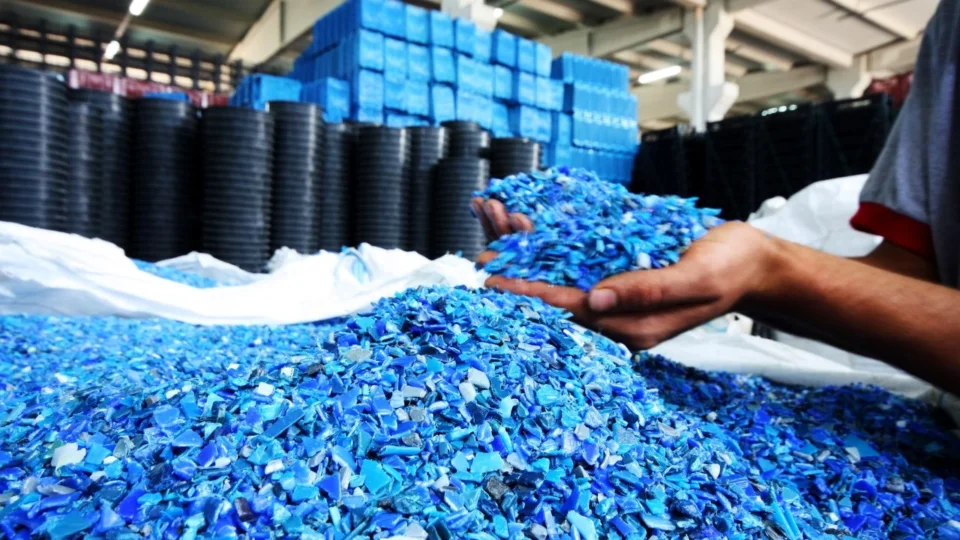
Oxo-degradable plastics represent perhaps the most misleading category in the sustainable packaging conversation. These are conventional petroleum-based plastics mixed with metal salt additives that accelerate oxidation and fragmentation when exposed to heat, light, or oxygen. While they break down faster than traditional plastics, they do not biodegrade in the true sense. Instead, they fragment into microplastics that persist in the environment indefinitely. These tiny plastic particles contaminate soil, waterways, and eventually enter the food chain through ingestion by marine life and other organisms. Multiple countries including the European Union member states have banned oxo-degradable plastics due to their environmental harm. The microplastics created by these materials are nearly impossible to remove from ecosystems and have been found everywhere from Arctic ice to human blood samples. Despite marketing claims suggesting these are eco-friendly alternatives, scientific consensus confirms that oxo-degradable plastics cause more environmental damage than conventional plastics that remain intact and can be collected and recycled.
Key Differences That Matter
Understanding the practical distinctions between these three categories helps you make better purchasing decisions and avoid falling for misleading environmental claims. The differences extend beyond simple definitions into certification requirements, decomposition conditions, and end products that either help or harm the environment.
1. Decomposition Conditions and Timelines
Compostable materials require controlled environments with specific temperature, humidity, and microbial activity levels found in industrial composting facilities. Most certified compostable products break down within 90 to 180 days under these optimal conditions. Home compostable versions work in backyard piles but may take six months to a year to fully decompose. Biodegradable materials have no standardized timeline and can take anywhere from several months to hundreds of years depending on the material and environment. A wooden spoon might biodegrade in six months in moist soil, while biodegradable plastic bags might take three years in marine environments or decades in landfills where oxygen and light are limited. Oxo-degradable plastics fragment within months to a few years when exposed to sunlight and oxygen, but the resulting microplastics persist for centuries. Without specific environmental triggers, oxo-degradable plastics may behave exactly like conventional plastics, lasting indefinitely in landfills or ocean trenches.
2. Certification and Regulation Standards
The certification landscape reveals significant differences in accountability and transparency. Compostable products must pass rigorous testing by organizations like the Biodegradable Products Institute (BPI), TÜV Austria, or Vincotte to earn certification marks. These certifications verify that products break down within specific timeframes, leave no toxic residue, and produce safe compost that can grow plants. Biodegradable products face no such requirements in most markets, allowing manufacturers to make unsubstantiated claims. Some regions have begun implementing stricter guidelines, but global standards remain inconsistent. Oxo-degradable plastics have faced increasing regulatory scrutiny, with the European Union banning them in 2021 and other jurisdictions following suit. The lack of certification for biodegradable and oxo-degradable products means consumers must rely on manufacturer claims that often overstate environmental benefits while downplaying potential harms.
3. Environmental Impact Comparison
The end results of decomposition tell the clearest story about which options truly support environmental health. Compostable materials return valuable nutrients to soil, supporting plant growth and completing a natural cycle. They sequester carbon during their growth phase and release it gradually during composting, creating a relatively closed loop when managed properly. Biodegradable materials vary widely in impact, with natural materials like paper contributing positively to soil health while synthetic biodegradable plastics may release greenhouse gases or leave problematic residues. Oxo-degradable plastics create persistent environmental contamination through microplastic generation. These particles absorb toxins, disrupt ecosystems, and pose unknown long-term health risks to wildlife and humans. Studies have shown that oxo-degradable bags can actually increase plastic pollution by creating countless small pieces that are harder to clean up than intact plastic items.
Common Products and Applications
Each category appears in different consumer and commercial applications, though marketing sometimes obscures which type you’re actually purchasing. Recognizing the differences helps you select appropriate products for your specific needs and disposal capabilities.
1. Food Service and Packaging Applications
Compostable products dominate the eco-friendly food service sector, appearing as takeout containers, utensils, cups, and straws made from PLA, bagasse, or palm leaf materials. These work well for restaurants and cafes with access to commercial composting facilities or customers willing to home-compost. Biodegradable options in food packaging include wax-coated paper products and certain bio-based plastics designed for specific disposal methods. However, many supposedly biodegradable food containers are actually oxo-degradable or conventional plastics with misleading labels. Single-use shopping bags represent the most common application for oxo-degradable plastics, though these are increasingly banned or restricted. Reusable bags, genuinely compostable bags, or simple paper bags offer better environmental profiles for retail applications.
2. Agricultural and Horticultural Uses
Compostable mulch films and plant pots have gained popularity in agriculture, designed to plow directly into soil after use where they decompose and add organic matter. These products must meet strict standards to ensure they don’t leave residues that harm crops or soil microbiology. Biodegradable agricultural films exist but vary in reliability, with some breaking down unevenly or leaving plastic fragments in fields. Oxo-degradable agricultural products pose particular risks, as fragmentation leads to soil contamination that affects earthworms, microorganisms, and eventually crop quality. Farmers increasingly prefer certified compostable options or return to traditional materials like straw mulch that provide clear environmental benefits without synthetic contamination risks.
3. Personal Care and Household Items
Compostable personal care items include bamboo toothbrushes with compostable bristles, certain natural fiber sponges, and packaging made from mushroom-based materials or seaweed. These appeal to zero-waste lifestyle practitioners with home composting systems. Biodegradable options range from natural loofahs and cotton balls to certain bio-based cleaning product bottles. However, the personal care industry heavily uses oxo-degradable claims for wipes, cotton swab sticks, and packaging that actually contribute to microplastic pollution. Consumers should look for specific compostable certifications rather than general biodegradable claims when purchasing items that will enter waste streams.
How to Identify Genuine Eco-Friendly Products
With so much greenwashing in the marketplace, developing skills to identify truly sustainable materials protects both your wallet and the environment. Several practical strategies help distinguish meaningful environmental claims from marketing fluff.
1. Reading Labels and Certifications Correctly
Look for specific certification logos rather than vague environmental claims. The BPI certification mark, TÜV OK Compost label, or CMA (Compost Manufacturing Alliance) approval indicate genuine compostability that has been third-party verified. Be wary of products using terms like “eco-friendly,” “green,” or “environmentally safe” without specific standards referenced. Check whether products specify industrial versus home compostability, as industrial facilities are not available in all areas. For biodegradable claims, ask what standards the product meets and what the specific decomposition timeline is in various environments. If a company cannot provide this information, the biodegradable claim likely lacks substance.
2. Asking the Right Questions
Before purchasing supposedly sustainable products, consider your disposal options. Do you have access to industrial composting, or will the item end up in a landfill? Does your local recycling program accept the material? For businesses, will customers know how to properly dispose of the product? Contact manufacturers directly if labeling is unclear, asking specific questions about certification, decomposition conditions, and whether the product has been tested for toxicity in finished compost. Reputable companies welcome these inquiries and provide detailed documentation. Those that avoid specifics or provide vague answers often rely on misleading marketing rather than genuine sustainability.
3. Avoiding Common Greenwashing Traps
Watch for products that highlight one eco-friendly aspect while hiding environmental drawbacks. A compostable cup with a conventional plastic lid, or a biodegradable bag wrapped in non-recyclable packaging, shifts rather than solves environmental problems. Be skeptical of products claiming to be “oxo-biodegradable” or “photodegradable,” as these are oxo-degradable plastics using confusing terminology. Avoid items that emphasize being “made from plants” without clarifying whether they are compostable or simply bio-based plastics that behave like conventional plastics in the environment. Remember that reusable options almost always outperform single-use items, regardless of how eco-friendly the disposable claims to be.
The Future of Sustainable Materials
Innovation in materials science continues advancing beyond these three categories, offering new solutions that may eventually replace problematic options. Understanding emerging technologies helps you stay ahead of the curve and support genuinely sustainable development.
1. Next-Generation Compostable Innovations
Researchers are developing marine-compostable materials that break down in ocean environments, addressing the critical issue of plastic pollution in waterways. These materials use different polymer structures that respond to saltwater and marine microorganisms rather than terrestrial composting conditions. Edible packaging made from seaweed, milk proteins, or fruit peels represents another frontier, eliminating waste entirely for certain applications. Self-healing materials and extended-life compostables aim to maintain durability during use while ensuring complete decomposition after disposal. These innovations require new certification standards and infrastructure but promise to solve current limitations in compostable product applications.
2. Policy Changes and Industry Shifts
Governments worldwide are implementing stricter regulations on environmental claims and single-use plastics. Extended producer responsibility laws require manufacturers to manage products through their entire lifecycle, incentivizing truly compostable designs over greenwashed alternatives. Bans on oxo-degradable plastics are spreading, with more countries recognizing the microplastic threat these materials pose. Standardized labeling requirements are emerging in major markets, making it easier for consumers to identify genuine compostable products. Industry groups are developing better recycling and composting infrastructure to handle increasing volumes of certified compostable packaging. These systemic changes support individual choices by making sustainable options more accessible and reliable.
3. Consumer Power in Driving Change
Individual purchasing decisions collectively shape market trends and corporate behavior. By choosing certified compostable products over vaguely biodegradable alternatives and avoiding oxo-degradable items entirely, consumers signal demand for genuine sustainability. Supporting businesses that transparently communicate their materials and disposal requirements encourages industry-wide accountability. Participating in local composting programs, whether municipal or community-based, creates infrastructure that makes compostable products viable alternatives. Sharing knowledge about these distinctions with friends, family, and social networks amplifies impact beyond personal purchasing power. Every informed choice contributes to shifting markets away from greenwashing toward measurable environmental improvements.
Frequently Asked Questions (FAQ)
Before diving into specific questions about these often-confusing terms, it’s worth understanding why so many people struggle to distinguish between compostable vs biodegradable vs oxo-degradable products. The packaging industry has intentionally blurred these lines, using scientific-sounding language to make products appear more environmentally friendly than they actually are. This FAQ section cuts through the marketing speak and addresses the most common questions consumers, business owners, and eco-conscious shoppers ask when trying to make sustainable choices. Whether you’re wondering about home composting capabilities, legal restrictions on certain materials, or how long these products actually take to break down, these answers provide clear, practical guidance you can apply immediately.
1. What is the main difference between compostable and biodegradable products?
The primary distinction lies in specificity and standards. Compostable products must meet strict certification requirements proving they break down completely into non-toxic compost within a defined timeframe under controlled conditions. Biodegradable is a broader term referring to any material that microorganisms can eventually decompose, with no standardized timeline, conditions, or requirements for what remains after decomposition. All compostable products are biodegradable, but not all biodegradable products are compostable. Compostable items always require specific environmental conditions, while biodegradable items may decompose in various settings over wildly different timeframes. The key takeaway is that compostable certification provides accountability and environmental guarantees that general biodegradable claims lack entirely.
2. Are oxo-degradable products banned in the United States?
As of 2026, the United States has not implemented a federal ban on oxo-degradable plastics, though several states and cities have restricted or prohibited their sale. The European Union banned these materials in 2021, and countries including France, Spain, and the United Kingdom have implemented national prohibitions. In the US, California and Washington have taken leading roles in restricting misleading environmental claims, while the Federal Trade Commission’s Green Guides provide guidance against unsubstantiated biodegradable claims. However, oxo-degradable products remain widely available in American markets due to inconsistent state regulations and lack of federal standardization. Consumers must remain vigilant in identifying and avoiding these products despite their eco-friendly marketing.
3. Can I put compostable products in my home compost bin?
Only products specifically labeled as “home compostable” or bearing certifications like TÜV OK Compost Home should go into backyard composting systems. Most compostable products, particularly those made from PLA bioplastics, require industrial composting facilities that maintain higher temperatures and more controlled conditions than home systems can provide. In home compost bins, these materials may persist for years without breaking down, effectively behaving like conventional plastics. Check product labels carefully for specific disposal instructions. If a product only mentions industrial composting and you lack access to such facilities, disposing of it in regular trash is actually preferable to contaminating home compost or recycling streams where it causes processing problems.
4. Do biodegradable plastics really help reduce pollution?
The impact of biodegradable plastics depends entirely on the specific material, disposal environment, and whether the product meets genuine biodegradability standards. Truly biodegradable materials like paper, natural fibers, or certified bio-polymers that decompose completely within reasonable timeframes can reduce certain types of pollution compared to persistent conventional plastics. However, many products marketed as biodegradable are simply conventional plastics with additives that create harmful microplastics, or they require specific conditions rarely found in natural environments. Without proper disposal infrastructure and clear standards, biodegradable plastics often end up in landfills where they generate methane or in oceans where they fragment into persistent pollution. The term alone guarantees no environmental benefit without verification and appropriate disposal systems.
5. How long do compostable products take to break down?
Certified compostable products typically decompose within 90 to 180 days in industrial composting facilities that maintain temperatures between 122 and 140 degrees Fahrenheit with adequate moisture and oxygen. Home compostable products take longer, usually six months to a year in well-maintained backyard compost systems. These timelines assume optimal conditions; in inadequate environments, decomposition takes significantly longer. Products that claim compostability without certification may take years to break down or may never fully decompose, instead fragmenting into microplastics. The specific timeline depends on the material type, thickness, surface area, and environmental conditions, which is why third-party certification verifying specific breakdown rates provides essential consumer protection.
6. Why do oxo-degradable plastics create microplastics?
Oxo-degradable plastics contain metal salt additives that accelerate oxidation when exposed to heat, light, or oxygen. This oxidation causes the plastic polymer chains to break apart, creating brittle fragments that crumble into smaller and smaller pieces. However, this process only affects the physical structure of the plastic, not its chemical composition. The resulting microplastics remain plastic polymers that microorganisms cannot digest or break down further. These particles persist in the environment for centuries, absorbing toxins, entering food chains through ingestion by wildlife, and eventually contaminating human food and water supplies. Unlike compostable materials that transform into carbon dioxide, water, and biomass, oxo-degradable plastics simply distribute plastic pollution more widely in harder-to-remove forms.
Making Smarter Choices for a Cleaner Planet
Understanding compostable vs biodegradable vs oxo-degradable distinctions empowers you to cut through marketing noise and select products that genuinely reduce environmental impact. The hierarchy is clear: certified compostable products offer the most reliable environmental benefits when proper disposal facilities exist, genuinely biodegradable natural materials provide reasonable alternatives for specific applications, and oxo-degradable products should be avoided entirely due to their microplastic generation. As consumers, businesses, and policymakers increasingly prioritize authentic sustainability over greenwashing, demand for truly compostable materials continues growing while oxo-degradable options face deserved restrictions. Your informed choices drive this positive shift, supporting innovation in materials science and infrastructure development while protecting ecosystems from plastic pollution. Remember that reducing consumption and reusing materials remains the most sustainable approach, but when single-use items are necessary, choosing certified compostable vs biodegradable vs oxo-degradable options makes a measurable difference in environmental outcomes.