Climate Change Adaptation Strategies for Homeowners

Climate change adaptation strategies for homeowners have become essential knowledge for anyone who wants to safeguard their investment and ensure their family’s safety. As weather patterns grow more unpredictable and extreme events become more frequent, homeowners across the country are facing new challenges that previous generations never had to consider. From rising sea levels and intensifying hurricanes to prolonged droughts and devastating wildfires, the impacts of a changing climate are no longer distant threats, they are realities affecting neighborhoods right now. Understanding how to adapt your home and lifestyle to these changes is not just about being environmentally conscious, it is about practical survival and financial protection. This guide will walk you through proven strategies that real homeowners are using to build resilience, reduce risks, and even save money while adapting to our new climate reality.
Understanding Why Homeowners Need Climate Adaptation
The conversation around climate change often focuses on global policy and industrial emissions, but the front lines of this crisis are increasingly found in residential neighborhoods. Homeowners are discovering that insurance premiums are skyrocketing in high-risk areas, mortgage lenders are reassessing property values based on climate exposure, and local building codes are evolving to meet new environmental standards. These shifts mean that ignoring climate adaptation is no longer a neutral choice, it is an active decision to accept higher costs and greater vulnerability.
Communities that once seemed safe from natural disasters are now experiencing unprecedented flooding, heat waves, and severe storms. The financial implications extend beyond immediate damage repairs. Property values in high-risk zones are stagnating or declining, while homes built with resilience in mind are commanding premium prices. Forward-thinking homeowners recognize that adaptation is an investment in their property’s future marketability and their family’s long-term security.
1. Assessing Your Home’s Climate Vulnerabilities
Before implementing any climate change adaptation strategies for homeowners, you need to understand your specific risks. Every region faces different climate challenges, and every home has unique vulnerabilities based on its age, construction materials, and location. Start by researching historical weather patterns in your area and projections for future changes. Local climate action plans and university extension services often provide free resources tailored to your specific region.
Consider hiring a professional home inspector who specializes in climate resilience. These experts can identify weaknesses in your foundation, roof, windows, and insulation that might not be obvious to the untrained eye. They can also assess your property’s drainage patterns, tree placement, and exposure to prevailing winds. This assessment becomes your roadmap for prioritizing improvements based on both urgency and budget constraints.
2. Building a Climate Adaptation Budget
Adapting your home for climate resilience requires financial planning, but it does not have to happen overnight. Smart homeowners create multi-year budgets that phase in improvements based on seasonal timing and available incentives. Many climate adaptation measures qualify for federal tax credits, state rebates, and utility company incentives that can offset 30% or more of the costs.
Start with low-cost, high-impact changes like sealing air leaks, improving attic insulation, and installing programmable thermostats. These improvements often pay for themselves within two years through energy savings while also making your home more comfortable during extreme temperature events. As your budget allows, move on to larger investments like storm-resistant roofing, backup power systems, and water-efficient landscaping. The key is to view these expenses not as costs, but as insurance against much larger losses down the road.
Protecting Your Home Against Extreme Weather
Extreme weather events represent the most immediate threat to homeowners in a changing climate. The frequency and intensity of hurricanes, tornadoes, derechos, and severe thunderstorms have increased dramatically over the past two decades. Homes built to older standards often cannot withstand the wind speeds and precipitation levels that are becoming the new normal. Upgrading your home’s structural resilience is one of the most important climate change adaptation strategies for homeowners.
1. Reinforcing Your Roof and Structural Integrity
Your roof is your home’s first line of defense against extreme weather, yet it is often the weakest link during high-wind events. Consider upgrading to impact-resistant shingles rated for the wind speeds common in your region. Metal roofing, while more expensive initially, offers superior durability and can last 50 years or more with minimal maintenance. Ensure that roof trusses are properly connected to walls using hurricane straps or clips, which create a continuous load path that helps the entire structure withstand uplift forces.
Windows and doors are other critical vulnerability points. Impact-resistant windows with laminated glass can withstand flying debris and eliminate the need for plywood boarding before storms. If full window replacement is not in your budget, install permanent storm shutters that can be quickly closed when severe weather threatens. Garage doors are particularly susceptible to wind damage, consider reinforcing your existing door or upgrading to a wind-rated model that prevents the catastrophic pressure changes that can blow off roofs.
2. Managing Water and Flood Risks
Flooding is the most common and costly natural disaster in the United States, and climate change is expanding flood zones far beyond traditional riverine and coastal areas. Even homeowners outside designated flood plains are experiencing basement flooding and yard pooling due to more intense rainfall events. Effective water management is crucial for protecting your foundation and preventing mold growth.
Start by examining your property’s grading. The ground should slope away from your foundation at a rate of at least 6 inches over 10 feet. If your yard slopes toward your home, regrading may be necessary. Install French drains or dry wells to capture and redirect excess water. Consider permeable paving materials for driveways and walkways, which allow water to soak into the ground rather than running off into your basement. Inside your home, install a sump pump with battery backup and water alarms that notify you of leaks before they cause major damage.
For homes in high-risk flood zones, elevation is the most effective protection. While raising an existing home is expensive, it may be necessary for long-term viability. Alternatively, wet floodproofing techniques allow water to flow through uninhabited ground floors without causing structural damage. This approach uses flood-resistant materials like tile flooring, marine-grade plywood, and removable fixtures that can be cleaned and dried quickly after flooding recedes.
Creating Energy Resilience for Your Home
Power outages are increasing in both frequency and duration as extreme weather stresses aging electrical grids. For homeowners dependent on electricity for heating, cooling, medical equipment, or water supply, extended outages pose serious health and safety risks. Building energy resilience ensures that your home remains habitable even when the broader grid fails.
1. Installing Backup Power Systems
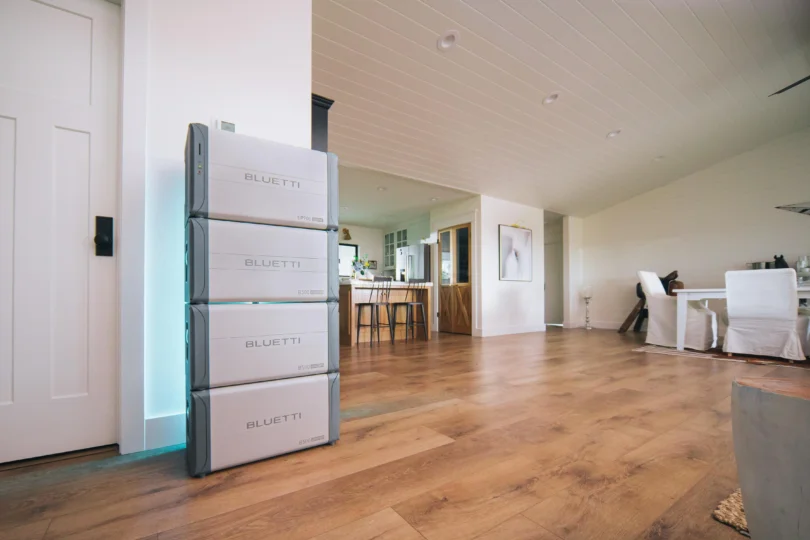
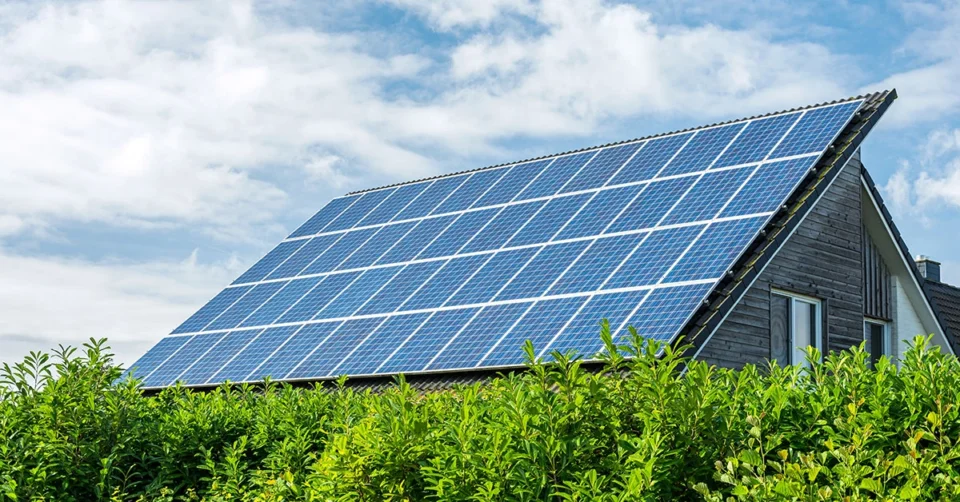
Solar panels with battery storage represent the gold standard for residential energy resilience. Unlike gas generators, which require fuel deliveries and emit dangerous fumes, solar plus storage systems operate silently and automatically during outages. Modern battery systems can power essential circuits for days during extended blackouts, and they reduce your electricity bills year-round through net metering programs.
If solar is not feasible for your property, consider a whole-house generator powered by propane or natural gas. These systems automatically activate when grid power fails and can run indefinitely as long as fuel is available. For smaller budgets, portable generators can keep refrigerators, medical devices, and communication equipment running during short outages. Regardless of which option you choose, ensure that you have safe installation performed by licensed electricians and that you maintain your system regularly.
2. Improving Thermal Performance
The ability to maintain comfortable indoor temperatures without mechanical heating or cooling is called passive survivability. Homes with excellent insulation, air sealing, and strategic window placement can stay safe for days during power outages, even in extreme heat or cold. This represents one of the most cost-effective climate change adaptation strategies for homeowners because it pays dividends through lower utility bills while providing critical resilience during emergencies.
Focus first on air sealing, which eliminates the drafts that allow conditioned air to escape. Caulk around windows and doors, seal gaps around plumbing penetrations, and add weatherstripping to attic access hatches. Next, upgrade insulation in attics, walls, and basements to exceed current code requirements. Consider exterior shading devices like awnings or shade sails that reduce solar heat gain during summer heat waves. Planting deciduous trees on the south and west sides of your home provides cooling shade in summer while allowing warming sunlight through in winter.
Developing Water Security for Your Property
Fresh water scarcity is an emerging threat that many homeowners overlook. Prolonged droughts are depleting groundwater reserves and straining municipal water systems. Meanwhile, intense rainfall events often overwhelm stormwater infrastructure, contaminating water supplies with runoff pollutants. Creating water security at the household level protects you from both shortages and quality issues.
1. Harvesting and Storing Rainwater
Rainwater harvesting systems capture precipitation from your roof and store it for later use. A simple rain barrel connected to your downspout can provide water for garden irrigation during dry spells. More sophisticated systems with larger cisterns and filtration can supply water for toilets, laundry, and even potable uses with proper treatment. These systems reduce your dependence on municipal supplies while lowering your water bills.
When designing a rainwater harvesting system, calculate your roof’s catchment area and your region’s average rainfall to determine appropriate storage capacity. First-flush diverters prevent the initial runoff, which contains the most contaminants, from entering your storage tanks. Ensure that all components are rated for potable water if you plan to use the supply for drinking. Check local regulations, as some jurisdictions restrict rainwater harvesting or require permits for larger systems.
2. Landscaping for Drought Resilience
Traditional lawns are water-intensive and poorly suited to increasingly arid conditions. Xeriscaping, or landscaping with drought-tolerant native plants, creates beautiful outdoor spaces that thrive with minimal irrigation. Native plants have evolved to survive local climate conditions and support local wildlife, including pollinators essential for food production.
Replace turf grass with native groundcovers, ornamental grasses, and perennial flowers grouped by water needs. Install drip irrigation systems that deliver water directly to plant roots with minimal evaporation loss. Use mulch generously to retain soil moisture and regulate ground temperatures. Hardscaping elements like gravel paths, stone patios, and dry creek beds reduce overall water needs while adding visual interest. These landscapes require less maintenance than traditional lawns, freeing up time and money while building resilience against water restrictions.
Securing Food Production and Community Connections
Climate change threatens food security through disrupted supply chains, crop failures, and transportation interruptions. Homeowners who can produce some of their own food and maintain strong community networks are better positioned to weather these challenges. Even small-scale food production and neighborhood mutual aid systems provide psychological benefits and practical resilience.
1. Starting a Climate-Resilient Garden
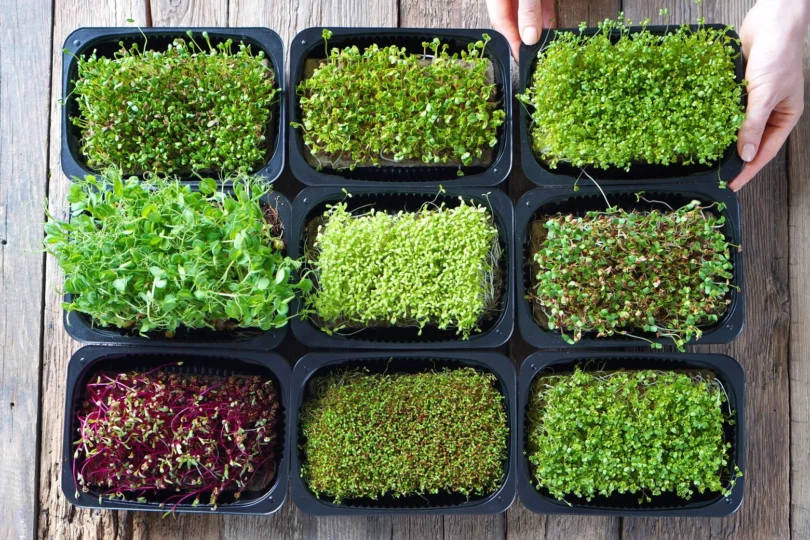
Home food production reduces dependence on vulnerable industrial agriculture systems. Start with easy-to-grow vegetables suited to your climate zone, focusing on calorie-dense crops like potatoes, sweet potatoes, and winter squash that store well without refrigeration. Perennial food plants like fruit trees, berry bushes, and asparagus require less annual labor while providing reliable harvests year after year.
Extend your growing season with cold frames, hoop houses, or small greenhouses that protect plants from extreme weather. Heirloom varieties often have better flavor and nutrition than commercial hybrids, and saving seeds from successful plants adapts your garden to local conditions over time. Composting kitchen scraps and yard waste creates valuable soil amendments that reduce the need for synthetic fertilizers, which may become scarce or expensive during supply chain disruptions.
2. Building Neighborhood Resilience Networks
No homeowner can prepare for every possible climate impact alone. Strong community connections multiply your resilience by sharing skills, resources, and labor. Organize or join a neighborhood resilience group that maps local resources, identifies vulnerable residents, and plans for collective responses to emergencies.
These networks can organize tool-sharing libraries, bulk purchasing cooperatives for resilience supplies, and training sessions on skills like first aid, food preservation, and home repair. Knowing your neighbors and establishing trust before crises occur ensures that assistance flows quickly when needed. Community resilience also provides emotional support during the stress of climate adaptation, reminding homeowners that they are not facing these challenges in isolation.
Navigating Insurance and Financial Protection
Traditional homeowners insurance is becoming inadequate for climate risks. Many insurers are withdrawing from high-risk markets, raising deductibles for weather-related claims, or excluding specific perils like flooding and wind damage. Homeowners must take proactive steps to ensure they have adequate financial protection as the insurance landscape shifts.
1. Reviewing and Updating Your Coverage
Conduct an annual insurance review with a knowledgeable agent who understands climate risks in your area. Standard policies often exclude flood damage, which requires separate coverage through the National Flood Insurance Program or private carriers. Wind and hail coverage may have separate deductibles that are much higher than your standard deductible, understand these costs before you need to file a claim.
Document your home’s contents thoroughly with photos, videos, and receipts stored in cloud-based systems. Consider replacement cost coverage rather than actual cash value policies, which depreciate your belongings and may not provide enough to replace them. As you make resilience improvements, inform your insurer, some upgrades qualify for premium discounts. Keep detailed records of maintenance and improvements, which demonstrate that you have taken reasonable precautions and support claims if disputes arise.
2. Exploring Alternative Risk Transfer Options
Parametric insurance represents an emerging alternative to traditional indemnity policies. These products pay out automatically when specific triggers occur, such as wind speeds exceeding certain thresholds or rainfall amounts reaching defined levels. Payouts happen quickly without lengthy claims adjustments, providing immediate funds for emergency repairs.
Catastrophe bonds and resilience bonds are financial instruments that communities can use to fund large-scale adaptation projects while transferring risk to investors. While these are typically municipal tools, informed homeowners can advocate for their adoption in their communities. Some regions are experimenting with resilience hubs, community facilities hardened against extreme weather that provide shelter, power, and communication during emergencies. Supporting these initiatives through local government engagement strengthens protection for your entire neighborhood.
Adapting Your Home for Long-Term Climate Shifts
Some climate changes happen gradually enough that homeowners can plan multi-year adaptation projects. Sea level rise, shifting growing zones, and changing precipitation patterns require long-term thinking about property use and value. Strategic planning prevents costly mistakes and identifies opportunities.
1. Planning for Managed Retreat or Property Transformation
In some coastal and flood-prone areas, continued habitation may become unsustainable regardless of adaptation measures. Managed retreat, the planned relocation of communities away from high-risk zones, is already occurring in places like Louisiana, Alaska, and New York. If you own property in an area facing eventual retreat, understand your options early.
Some homeowners are converting ground floors to non-living spaces that can flood without major losses, effectively raising their living spaces without structural elevation. Others are transforming properties into amphibious architecture that floats during floods or building accessory dwelling units that can be relocated. These creative approaches maintain property utility while acknowledging changing conditions. Stay informed about local adaptation plans and participate in community planning processes that will shape your neighborhood’s future.
2. Maintaining Property Value Through Resilience
Real estate markets are increasingly pricing climate risk into property values. Homes in high-risk zones with poor adaptation features are seeing slower appreciation and longer time on market. Conversely, properties with documented resilience upgrades command premiums and attract environmentally conscious buyers.
Keep detailed records of all climate adaptation improvements, including energy efficiency upgrades, storm-resistant features, and water management systems. Certifications like LEED, Passive House, or FORTIFIED Home provide third-party validation of resilience that buyers recognize and value. As you plan renovations, prioritize improvements that enhance both daily livability and climate resilience. Kitchen and bathroom upgrades that also improve water efficiency, for example, appeal to buyers while reducing utility costs.
Frequently Asked Questions (FAQ)
Homeowners across the country have questions about how to protect their properties and families from climate impacts. These common concerns come up repeatedly as people begin their adaptation journey. Understanding the answers helps you make informed decisions about where to invest your time and money. The following questions address the most pressing issues that homeowners face when preparing for a changing climate.
1. What are the most cost-effective climate adaptation improvements I can make right now?
The highest return on investment comes from air sealing and insulation improvements, which typically pay for themselves within two years through energy savings while providing immediate comfort benefits. Sealing ductwork, adding weatherstripping, and insulating attics are relatively inexpensive projects that most homeowners can complete themselves or hire out for modest costs. These improvements also enhance your home’s ability to maintain safe temperatures during power outages. Next, consider programmable thermostats and LED lighting, which reduce energy consumption with minimal upfront investment. Water-saving fixtures like low-flow showerheads and faucet aerators cut utility bills while preparing your home for potential water restrictions.
2. How do I know if my home is in a climate risk zone that requires special adaptation measures?
Start with free online tools like the National Risk Index from FEMA, which maps various natural hazard risks across the United States. The Climate Explorer tool from NOAA provides localized projections for temperature, precipitation, and sea level changes. Your state climatologist and local emergency management office can provide region-specific guidance. For property-specific assessment, consider hiring a certified resilience professional who can evaluate your home’s construction, elevation, and exposure. Real estate disclosures in many states now require sellers to disclose flood history and climate risks, reviewing these documents if you are considering a purchase provides valuable information. Remember that climate zones are shifting, even areas without historical flooding or extreme heat are seeing new risks emerge.
3. Should I install solar panels or a backup generator for power resilience?
The best choice depends on your specific situation, budget, and local conditions. Solar panels with battery storage offer clean, silent backup power that reduces your electricity bills year-round and increases your home’s value. However, they require significant upfront investment and may not perform well during extended cloudy periods unless you have substantial battery capacity. Backup generators powered by natural gas or propane provide reliable power regardless of weather conditions and can run indefinitely with fuel supply, but they require ongoing fuel costs, regular maintenance, and produce emissions and noise. Some homeowners opt for hybrid systems with modest solar arrays and small generators for comprehensive coverage. Evaluate your critical power needs, local solar resources, and fuel availability to make the best choice for your circumstances.
4. How can I protect my home from flooding if I live outside the official flood zone?
Climate change is expanding flood risk far beyond mapped flood plains, making flood protection relevant for all homeowners. Start with property grading to ensure water flows away from your foundation. Install gutters with downspout extensions that discharge at least 10 feet from your home. Consider French drains, dry wells, or rain gardens to capture and infiltrate excess water. Inside, install sump pumps with battery backup and water alarms on basement floors. Elevate utilities like furnaces, water heaters, and electrical panels above potential flood levels. Use flood-resistant materials in basements and ground floors, such as tile flooring instead of carpet and solid core doors instead of hollow core. Even modest flooding can cause tens of thousands of dollars in damage, so these precautions are worthwhile regardless of your official flood zone status.
5. What should I look for when buying a home with climate resilience in mind?
Prioritize location first, understanding that some areas face existential climate risks that no amount of home improvement can fully address. Look for properties on higher ground away from coastlines and river flood plains. Examine the home’s orientation and landscaping for passive cooling potential. Check the age and condition of the roof, windows, and HVAC systems, as these are expensive to replace and critical for resilience. Ask about previous weather damage and insurance claims. Research whether the home qualifies for standard homeowners insurance or requires specialty coverage, high premiums or coverage exclusions signal elevated risk. Consider the home’s energy efficiency rating and potential for solar installation. Finally, evaluate the community’s climate adaptation planning, neighborhoods with strong local government engagement and infrastructure investment will fare better than those without coordinated planning.
6. How do I talk to my neighbors about building community resilience without seeming alarmist?
Frame the conversation around shared values like safety, preparedness, and neighborly support rather than climate politics. Start with universal concerns like power outages, severe storms, or water shortages that everyone can relate to regardless of their views on climate change. Organize practical events like emergency preparedness workshops, tool-sharing cooperatives, or neighborhood cleanup days that build relationships naturally. Share personal stories about your own adaptation efforts, focusing on benefits like lower bills and increased comfort rather than fear. Listen to your neighbors’ concerns and priorities, finding common ground on specific issues rather than pushing a comprehensive agenda. Emphasize that community resilience helps everyone, from young families to elderly residents, and that working together is more effective than individual preparation alone.
Building a Resilient Future Starts at Home
Climate change adaptation strategies for homeowners represent both a challenge and an opportunity to create safer, more comfortable, and more valuable properties. The homeowners who thrive in coming decades will be those who recognized early that adaptation is not optional, but essential. By assessing your vulnerabilities, making strategic improvements, and building community connections, you transform your home from a liability into an asset capable of withstanding whatever weather the future brings. The investments you make today in resilience will pay dividends through lower operating costs, higher property values, and the priceless peace of mind that comes from knowing your family is protected. Start with one project, whether it is sealing air leaks, installing a rain barrel, or meeting your neighbors. Each step builds momentum toward a home and community prepared for the realities of our changing climate.