Chemical Recycling vs Mechanical Recycling

Chemical recycling vs mechanical recycling represents one of the most important debates in today’s sustainability landscape. As plastic waste continues to pile up in landfills and oceans, understanding these two distinct approaches has become essential for businesses, policymakers, and environmentally conscious consumers. The global advanced recycling technologies market is projected to reach $9.3 billion by 2031, growing at an impressive 48% annually, while mechanical recycling remains the workhorse of current waste management systems. Both methods serve critical roles in the circular economy, yet they differ dramatically in how they process waste, the quality of outputs they produce, and their overall environmental impact.
Choosing between chemical and mechanical recycling isn’t about picking a winner. It’s about understanding which solution fits specific waste streams, quality requirements, and sustainability goals. This guide breaks down everything you need to know about these technologies, their advantages, limitations, and how they’re reshaping the future of plastic waste management.
What Is Mechanical Recycling and How Does It Work
Mechanical recycling is the traditional method most people picture when they think about recycling. This physical process transforms plastic waste into new products through sorting, cleaning, shredding, melting, and remolding. It’s been the backbone of recycling infrastructure for decades and handles the majority of today’s recycled materials.
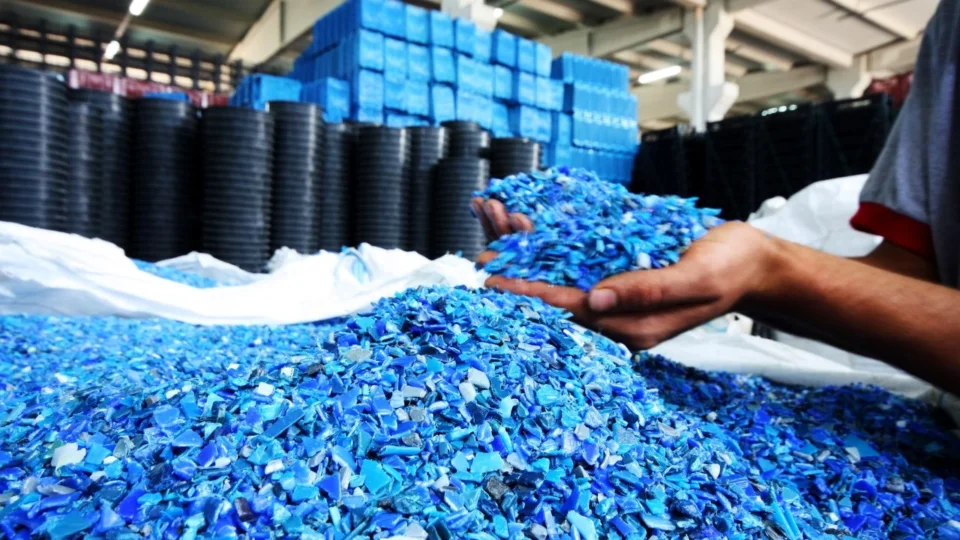
The process starts with collecting plastic waste, usually through curbside programs or commercial collection. Workers or automated systems sort materials by polymer type, since mixing different plastics creates quality problems. Clean PET bottles, HDPE containers, and PP products work best here. After sorting, facilities wash the plastic to remove labels, adhesives, and food residue. The clean plastic then goes through shredders that turn it into small flakes or pellets. These pellets melt down and get remolded into new products like packaging, textiles, or construction materials.
The biggest advantage of mechanical recycling is its simplicity and lower cost. The technology is mature, widely available, and requires less energy than chemical alternatives. According to industry data, mechanical recycling uses significantly less energy and produces fewer emissions compared to virgin plastic production. This makes it the go-to choice for clean, single-polymer waste streams that don’t require complex processing.
However, mechanical recycling faces real limitations. Every time plastic goes through this process, the polymer chains break down slightly. This degradation means mechanically recycled plastic typically can’t match virgin material quality. After several recycling cycles, the material becomes unsuitable for high-end applications. Additionally, contaminated plastics, multi-layer packaging, and mixed waste streams often can’t be processed mechanically, sending millions of tons of potentially recyclable material to landfills instead.
Understanding Chemical Recycling Technologies
Chemical recycling, also called advanced recycling or molecular recycling, takes a fundamentally different approach. Instead of physically reshaping plastic, this method breaks down polymers into their basic chemical building blocks using heat, pressure, catalysts, or chemical reactions. The resulting raw materials can then be reprocessed into virgin-quality plastic or other chemical products.
Several technologies fall under the chemical recycling umbrella. Pyrolysis, the dominant method representing about 40% of the market, uses high temperatures in oxygen-free environments to convert plastic into oils, gases, and char. These pyrolysis oils serve as feedstock for new plastic production. Depolymerization reverses the polymerization process, breaking plastics like PET back into their original monomers, which can be purified and repolymerized into new materials. Gasification converts plastic waste into syngas, a mixture of hydrogen and carbon monoxide that can be used for energy or chemical production. Other emerging methods include solvolysis, hydrothermal processing, and enzymatic recycling using engineered bacteria.
The chemical recycling market is experiencing explosive growth, projected to reach $45.87 billion by 2035 with a 31.5% annual growth rate. This surge reflects increasing demand for high-quality recycled materials and the technology’s ability to handle waste streams that mechanical recycling cannot process. Major corporations including ExxonMobil, Dow, and SABIC are investing billions in chemical recycling infrastructure, signaling strong industry confidence in this approach.
Chemical recycling shines when dealing with contaminated, mixed, or complex plastics. Multi-layer food packaging, dirty agricultural film, and colored plastics that would contaminate mechanical recycling streams can all be processed chemically. The output quality matches virgin materials, making chemical recycling suitable for food-grade packaging, medical devices, and other high-specification applications where mechanically recycled plastic falls short.
Key Differences Between Chemical and Mechanical Recycling
Understanding the distinctions between these methods helps businesses and communities make informed decisions about waste management investments. While both aim to keep plastic out of landfills, their operational realities differ significantly across multiple dimensions.
Input material flexibility represents the most obvious difference. Mechanical recycling requires clean, well-sorted single-polymer streams. A PET bottle with a PVC label, or a food container with residual grease, can ruin an entire batch of recycled material. Chemical recycling handles mixed plastics, contaminated materials, and complex multi-layer packaging without these issues. This flexibility means chemical recycling can process up to 90% of plastic waste types that currently go unrecycled.
End product quality creates another major distinction. Mechanically recycled plastic suffers from polymer chain degradation, limiting its applications to lower-grade products like park benches, carpet fibers, or non-food packaging. Chemical recycling produces virgin-quality output suitable for food contact, medical applications, and high-performance engineering plastics. This quality advantage makes chemical recycling particularly valuable for brands seeking to meet recycled content targets without compromising product performance.
Environmental impact comparisons reveal trade-offs rather than clear winners. Mechanical recycling generally uses less energy and produces lower greenhouse gas emissions per ton processed. However, chemical recycling can handle waste streams that would otherwise be incinerated or landfilled, potentially offering better lifecycle outcomes for difficult-to-recycle materials. Recent lifecycle analyses suggest that for certain waste types, chemical recycling’s ability to displace virgin plastic production outweighs its higher processing emissions.
Economic factors currently favor mechanical recycling for suitable feedstocks. The established infrastructure and simpler technology make mechanical recycling cheaper for clean, single-polymer waste. Chemical recycling requires significant capital investment, with facilities costing hundreds of millions of dollars. However, as chemical recycling scales and regulatory pressure increases, cost parity is expected to improve. The high value of chemical recycling outputs, particularly for food-grade applications, helps offset these higher costs.
When to Choose Mechanical Recycling for Your Operations
Mechanical recycling remains the optimal choice for several common scenarios. Businesses generating clean, single-polymer waste streams should prioritize mechanical recycling when possible. This includes beverage companies with PET bottle collection programs, retailers recycling HDPE shopping bags, or manufacturers with pure polymer scrap from production processes.
Cost-sensitive operations often find mechanical recycling more economical. Small to medium-sized businesses, municipalities with limited budgets, and developing regions benefit from mechanical recycling’s lower infrastructure requirements and operational costs. The technology is proven, widely available, and requires less specialized expertise to operate effectively.
Applications tolerating slightly lower material quality suit mechanical recycling perfectly. Construction materials, outdoor furniture, non-food packaging, and textile fibers don’t require virgin-grade plastic. Using mechanically recycled content in these applications creates environmental benefits without performance compromises. Many major brands successfully incorporate 25-50% mechanically recycled content in such products.
Geographic considerations matter too. Regions with established collection infrastructure, stable electricity supplies, and markets for lower-grade recycled materials should maximize mechanical recycling capacity. North America and Europe currently process the majority of their recyclable plastics mechanically, with chemical recycling serving as a complement rather than replacement.
Ideal Applications for Chemical Recycling Technology
Chemical recycling solves problems that mechanical methods cannot address. Mixed plastic waste streams, which represent a growing portion of municipal and commercial waste, require chemical processing. Flexible multi-layer packaging common in snack foods, pet food, and personal care products contains multiple polymer layers bonded together. Mechanical recycling cannot separate these layers effectively, but chemical recycling breaks them down into usable chemical feedstocks.
Contaminated plastics that would ruin mechanical recycling batches find new life through chemical processing. Agricultural films covered in soil, marine plastics weathered by sun and salt, and post-consumer packaging with food residue all work as chemical recycling feedstocks. This capability is crucial as global plastic waste volumes continue rising toward one billion tons annually by 2040.
High-value applications demanding virgin-quality material drive chemical recycling adoption. Food and beverage packaging represents the largest end-use market for advanced recycling, accounting for 38% of demand. Major brands like Coca-Cola, PepsiCo, and Nestlé have committed to using chemically recycled content in food-grade bottles. Medical devices, automotive components, and electronics also require the consistent quality that chemical recycling provides.
Waste-to-chemical applications extend chemical recycling’s value beyond plastics. The process can produce naphtha, heavy gas oil, waxes, and specialty chemicals used across industries. This versatility creates additional revenue streams for recycling facilities and reduces dependence on fossil fuel extraction for chemical feedstocks.
The Environmental Impact Debate: Which Method Is Greener
Determining whether chemical or mechanical recycling offers superior environmental performance requires nuanced analysis rather than simple comparisons. Each method excels in different contexts, and the “greener” choice depends on specific waste types, local energy grids, and end-use applications.
Mechanical recycling generally produces lower direct emissions. The process avoids high-temperature chemical reactions, reducing energy consumption and associated carbon dioxide output. For clean, single-polymer waste streams, mechanical recycling typically generates 50-70% fewer greenhouse gas emissions compared to virgin plastic production. This efficiency makes mechanical recycling the preferred choice when feedstock quality permits.
Chemical recycling offers environmental advantages in specific scenarios. When processing mixed or contaminated waste that would otherwise be landfilled or incinerated, chemical recycling can provide net environmental benefits despite higher processing emissions. The ability to produce food-grade recycled content also matters, as it enables circularity in packaging sectors where mechanical recycling cannot compete. Recent studies suggest that chemical recycling of difficult-to-treat plastics can reduce lifecycle emissions by 40-85% compared to virgin plastic production and waste incineration.
Energy sources significantly impact chemical recycling’s carbon footprint. Facilities powered by renewable energy achieve much better environmental performance than those using fossil fuels. As the global energy grid decarbonizes, chemical recycling’s emissions profile will improve accordingly. Some advanced facilities are already achieving carbon-neutral operations through renewable energy contracts and process optimization.
Microplastic generation represents an emerging concern favoring chemical methods. Mechanical recycling processes can create microplastic particles through shredding and washing operations. Chemical recycling breaks plastics down to the molecular level, potentially reducing microplastic release. However, more research is needed to fully quantify these differences across complete recycling systems.
Market Trends and Future Outlook for Recycling Technologies
The recycling industry is experiencing unprecedented transformation as sustainability pressures mount and technology advances. Understanding these trends helps businesses position themselves for future regulatory and market changes.
Mechanical recycling continues expanding globally, with particular growth in Asia-Pacific regions. China, India, and Southeast Asian nations are building massive mechanical recycling capacity to handle domestic waste and imported materials. However, this growth faces challenges from fluctuating oil prices, which make virgin plastic cheap competition, and quality limitations that restrict end-market expansion.
Chemical recycling is scaling rapidly from pilot projects to commercial operations. Europe leads adoption with strict regulations driving investment, while North America follows with major petrochemical company commitments. ExxonMobil plans to reach one billion pounds of annual chemical recycling capacity by 2027, and Brightmark is investing nearly one billion dollars in new US facilities. Asia-Pacific shows the fastest growth rates as countries seek solutions for mounting waste crises.
Technology convergence is creating hybrid approaches. Some facilities now combine mechanical and chemical processing, using mechanical methods for clean materials and chemical recycling for residues and contaminated fractions. This integration maximizes material recovery while minimizing costs and environmental impacts. Artificial intelligence and robotics are improving sorting efficiency, making more waste suitable for mechanical recycling and improving chemical recycling feedstock quality.
Regulatory frameworks increasingly favor chemical recycling. The European Union’s packaging regulations recognize chemically recycled content as equivalent to mechanical recycling for recycled content targets. Several US states are updating recycling definitions to include chemical methods. These policy shifts will accelerate chemical recycling investment and market penetration.
Cost Considerations and Economic Viability
Economic factors heavily influence recycling method selection, with significant differences between mechanical and chemical approaches affecting business decisions.
Mechanical recycling offers lower capital and operating costs. A typical mechanical recycling facility might cost $5-20 million depending on capacity, while chemical recycling plants require $100-500 million investments. Operating costs favor mechanical methods too, with simpler processes requiring less energy, fewer specialized personnel, and lower maintenance expenses. These economics make mechanical recycling accessible to smaller companies and municipalities.
Chemical recycling commands premium prices for its outputs. Virgin-quality recycled plastic sells for 10-30% more than mechanically recycled alternatives, reflecting its superior performance characteristics. Food-grade certification adds further value. For applications requiring high performance, chemical recycling’s higher costs are justified by material quality and regulatory compliance benefits.
Scale effects strongly favor chemical recycling at large volumes. While small mechanical recyclers operate profitably, chemical recycling requires substantial throughput to achieve economic viability. Facilities typically need to process 50,000+ tons annually to justify investment costs. This scale requirement favors large waste management companies and petrochemical firms over small operators.
Government incentives increasingly offset chemical recycling costs. Tax credits, grants, and carbon pricing mechanisms improve project economics. Extended producer responsibility programs, where manufacturers pay for end-of-life waste management, create steady revenue streams for recycling operations. These policy tools are essential for chemical recycling competitiveness during its scaling phase.
Challenges and Limitations Facing Both Methods
No recycling solution is perfect, and both chemical and mechanical methods face significant hurdles that limit their effectiveness and adoption.
Mechanical recycling struggles with contamination and material degradation. Even small amounts of the wrong polymer type can ruin entire batches of recycled plastic. Food residue, labels, and adhesives create quality problems. Over multiple recycling cycles, polymer chains break down, eventually rendering material unusable. These limitations mean mechanical recycling alone cannot achieve true circularity for plastic materials.
Collection infrastructure gaps plague both methods. Globally, only about 19% of plastic waste gets collected for recycling. Inadequate sorting facilities, inconsistent collection systems, and consumer confusion about recyclable materials mean millions of tons of potentially recyclable plastic end up in landfills. Without better collection and preprocessing, neither recycling method can reach its potential.
Chemical recycling faces technology and scaling challenges. While pyrolysis and depolymerization are proven at pilot scale, commercial operations still encounter yield variability, catalyst degradation, and product quality consistency issues. Energy requirements remain high, and some processes generate hazardous byproducts requiring careful management. These technical hurdles slow deployment and increase costs.
Market demand for recycled content fluctuates. When oil prices drop, virgin plastic becomes cheaper, squeezing recycled material margins. Brand commitments to recycled content help stabilize demand, but economic downturns can reduce corporate sustainability spending. Building resilient markets for recycled materials requires long-term policy support and consumer education.
Frequently Asked Questions (FAQ)
Before diving into specific questions, it’s worth understanding why so many people seek clarity on these recycling methods. The distinction between chemical and mechanical recycling isn’t just technical jargon. It affects everything from local curbside program rules to corporate sustainability strategies and government policy decisions. As plastic waste concerns grow and recycling technologies evolve, businesses and consumers alike need clear answers to make informed choices. The following questions address the most common points of confusion, helping you understand which method suits different materials, applications, and environmental goals.
1. What types of plastic work best for mechanical recycling?
Clean, single-polymer plastics work optimally for mechanical recycling. PET beverage bottles, HDPE milk jugs, and PP containers provide the best results. These materials should be free from food residue, labels, and other contaminants. Rigid plastics generally recycle better than flexible films through mechanical methods. Plastics coded 1 (PET), 2 (HDPE), and 5 (PP) offer the highest mechanical recycling success rates.
2. Can chemical recycling handle all types of plastic waste?
Chemical recycling processes a much broader range of plastics than mechanical methods, but not everything. Pyrolysis effectively handles polyethylene, polypropylene, polystyrene, and mixed plastics. Depolymerization works for condensation polymers like PET, nylon, and polycarbonate. However, highly chlorinated plastics like PVC require special preprocessing, and some thermoset plastics that don’t melt cannot be chemically recycled economically. Current technologies process about 80-90% of plastic waste types.
3. Is chemically recycled plastic safe for food contact?
Yes, chemically recycled plastic can achieve food-grade certification. Because chemical recycling breaks plastics down to molecular building blocks and rebuilds them, the resulting material is chemically identical to virgin plastic. Regulatory bodies in the US and EU have approved chemically recycled content for food packaging applications. This safety advantage drives significant investment in chemical recycling for beverage and food companies.
4. Why is chemical recycling more expensive than mechanical recycling?
Chemical recycling requires more complex technology, higher energy inputs, and greater capital investment. The processes involve high temperatures, pressure vessels, catalysts, and sophisticated separation equipment. Facilities must meet stringent safety and environmental standards. However, as technology matures and scales, costs are decreasing. Many analysts expect chemical recycling to reach cost parity with virgin plastic within 5-10 years for certain applications.
5. How many times can plastic be recycled mechanically?
Most plastics can be mechanically recycled 2-3 times before quality degradation makes them unsuitable for high-value applications. Each recycling cycle shortens polymer chains, reducing strength and flexibility. Eventually, mechanically recycled plastic can only be used for low-grade applications like park benches or drainage pipes. This limitation is why chemical recycling is essential for true circularity, as it restores material to virgin quality regardless of previous recycling history.
6. Does chemical recycling produce toxic emissions?
Properly operated chemical recycling facilities control emissions through advanced pollution control equipment. Pyrolysis and gasification can produce hazardous byproducts if not managed correctly, but modern facilities capture and treat these emissions. Compared to plastic incineration or landfilling, chemical recycling generally offers better environmental outcomes. However, lifecycle assessments suggest mechanical recycling produces fewer emissions for suitable feedstocks.
7. Which recycling method should my business choose?
The optimal choice depends on your waste stream characteristics, quality requirements, and budget. Clean, single-polymer waste suits mechanical recycling best. Mixed, contaminated, or high-specification applications require chemical recycling. Many businesses use both: mechanical recycling for clean production scrap and chemical recycling for post-consumer waste. Consulting with recycling experts can help determine the most cost-effective and sustainable approach for your specific situation.
Making the Right Choice for Sustainable Plastic Management
Chemical recycling vs mechanical recycling isn’t an either-or decision for the plastics industry. Both technologies play essential roles in building a circular economy that keeps materials in use and out of the environment. Mechanical recycling offers cost-effective, low-emission processing for clean waste streams, while chemical recycling solves the quality and contamination challenges that limit mechanical methods.
The future of sustainable plastic management lies in intelligent integration of both approaches. Smart sorting systems will direct suitable materials to mechanical recycling, maximizing efficiency and minimizing emissions. Chemical recycling will handle the complex, contaminated, and degraded plastics that mechanical methods cannot process, ensuring nothing goes to waste. This complementary system, supported by improved collection infrastructure and strong end-markets for recycled content, offers the best path forward.
Businesses, policymakers, and consumers all have roles to play in optimizing this system. Companies should audit their waste streams to identify recycling opportunities and invest in recycled content regardless of method. Governments must support infrastructure development and create policy frameworks that value all recycling equally. Consumers can help by properly sorting recyclables and supporting brands using recycled materials.
The plastic waste crisis demands urgent action, and both chemical and mechanical recycling provide viable solutions. By understanding their respective strengths and applying them appropriately, we can transform today’s waste into tomorrow’s resources.