Biodiversity Crisis Solutions 2026

The biodiversity crisis solutions 2026 demand urgent attention as scientists worldwide confirm we are facing unprecedented wildlife population declines. Our planet’s rich tapestry of life is unraveling faster than ever before, with vertebrate populations experiencing dramatic losses across every continent. Understanding what drives this crisis and discovering practical solutions has become essential for anyone who cares about the future of our natural world.
The evidence is overwhelming and deeply concerning. Recent global analyses reveal that wildlife populations exposed to multiple simultaneous threats are declining significantly faster than those facing individual pressures. This means the traditional approach of tackling one problem at a time simply will not work anymore. Conservationists, policymakers, and everyday citizens must embrace coordinated, multi-threat strategies if we hope to reverse the devastating trends affecting our planet’s biodiversity.
Understanding the Scope of the Biodiversity Emergency
The numbers tell a sobering story about the state of global biodiversity. Researchers analyzing data from over 3,100 vertebrate populations between 1950 and 2020 discovered that combinations of threats create devastating synergistic effects. When climate change, disease, pollution, and invasive species attack simultaneously, populations collapse at rates far exceeding those caused by habitat loss or overexploitation alone.
This finding fundamentally changes how we must approach nature conservation strategies. For decades, conservation efforts concentrated on the most visible problems like deforestation and overhunting. While these remain critical issues, the research shows that emerging threats can be equally or more destructive, particularly when they interact with established pressures.
The implications extend beyond individual species to entire ecosystem functions. When multiple stressors combine, they destabilize food webs, disrupt pollination networks, and compromise the natural services that support human communities. Protecting biodiversity is no longer just about saving charismatic species, it is about maintaining the ecological infrastructure that sustains agriculture, clean water, and climate stability.
The 2026 Horizon Scan: Emerging Threats and Opportunities
Every year, conservation experts collaborate on a horizon scan to identify emerging issues that will shape biodiversity action in the decade ahead. The 2026 Global Horizon Scan highlights fifteen critical developments that demand immediate attention from scientists, policymakers, and practitioners worldwide.
Several signals from the planet itself raise serious alarms. Evidence of widespread soil moisture decline suggests growing pressure on terrestrial and freshwater ecosystems with implications for food production and water security. Ocean darkening, a phenomenon involving declining light penetration across wide ocean regions, could affect marine productivity and food webs in ways scientists are only beginning to understand. Meanwhile, projected loss of macroalgal habitats including kelp forests highlights the vulnerability of coastal ecosystems to warming and extreme weather events.
Technology presents both opportunities and challenges for ecosystem restoration methods. The proliferation of artificial intelligence tools offers powerful new capabilities for monitoring wildlife, predicting threats, and optimizing conservation interventions. However, the energy and resource demands of AI systems create their own environmental footprints that must be carefully managed. Light-powered chip technologies and tiny machine learning devices could reduce these impacts while expanding monitoring capabilities to remote locations.
Revolutionary Conservation Technologies Transforming Protection Efforts
The biodiversity crisis solutions 2026 increasingly depend on cutting-edge technologies that expand our capacity to monitor, understand, and protect natural systems. Environmental DNA represents one of the most promising innovations, allowing scientists to detect species presence by analyzing genetic material left behind in water, soil, or air. This non-invasive approach can identify rare or elusive species without disturbing their habitats, revolutionizing biodiversity surveys and population monitoring.
Autonomous sampling systems now deploy underwater to collect environmental DNA data continuously, providing real-time information about marine biodiversity changes. These technologies enable researchers to track invasive species arrivals, monitor endangered populations, and assess ecosystem health with unprecedented precision and scale. The data feeds into predictive models that help conservationists anticipate problems before they become crises.
Digital twin technologies create highly detailed virtual models of ecosystems that incorporate predictions about human behavior and physical conditions. These sophisticated simulations allow decision-makers to test different intervention scenarios virtually before committing resources to real-world actions. While the computational demands raise environmental concerns, the potential benefits for optimizing conservation investments are substantial.
Blockchain technology addresses transparency and accountability challenges in conservation finance. By creating tamper-proof records for tracking wildlife trade, managing protected areas, and monitoring conservation project impacts, blockchain builds trust among stakeholders and ensures resources reach intended destinations. Several innovative platforms now tokenize conservation projects, connecting forest owners directly with supporters and creating new funding streams for habitat protection initiatives.
Nature-Based Solutions and the Business Case for Biodiversity
The economic argument for protecting nature has never been stronger. According to recent global assessments, over seven trillion dollars in public and private finance currently flows to activities with direct negative impacts on nature, while only a fraction supports conservation and restoration. This massive imbalance represents both a systemic risk to financial stability and an enormous opportunity for redirecting investment toward nature-positive outcomes.
The Tropical Forests Forever Facility exemplifies innovative approaches to habitat protection initiatives. This 125 billion dollar investment fund, led by Brazil with international partners, aims to reward tropical countries that protect their forests. Unlike previous approaches, this mechanism provides greater self-determination to affected nations, supports local community protection efforts, and improves transparency in aligning financial flows with conservation goals.
Regenerative agriculture offers another powerful pathway for biodiversity restoration while maintaining food production. By focusing on soil health, water retention, and ecosystem diversity rather than simple yield maximization, regenerative practices create habitats for beneficial species while reducing dependency on harmful chemicals. Precision agriculture tools using satellites, drones, and field sensors help farmers optimize their operations while preserving natural features that support biodiversity.
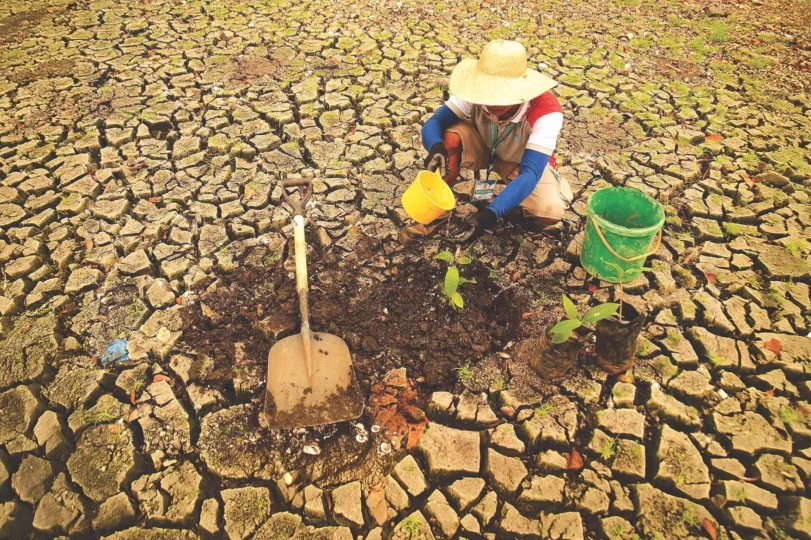
Wetland rejuvenation represents a particularly cost-effective nature-based solution. These ecosystems filter water, sequester carbon, mitigate floods, and provide habitat for diverse species. Restoration projects that re-establish natural water flows, reintroduce native species, and remove invasive organisms can transform degraded landscapes into thriving biodiversity hotspots while delivering tangible benefits to local communities.
Addressing Multiple Threats Simultaneously: The New Conservation Imperative
Perhaps the most important shift in biodiversity crisis solutions 2026 involves recognizing that single-threat interventions are insufficient. Research demonstrates that mitigating multiple threats together is essential for achieving stable or recovering wildlife populations. This requires unprecedented coordination across sectors, disciplines, and governance levels.
Climate change interacts dangerously with other stressors, amplifying their effects and creating novel challenges. Rising temperatures expand the ranges of invasive species and disease vectors while altering precipitation patterns that plants and animals depend upon. Ocean warming and acidification combine with pollution and overfishing to degrade marine ecosystems. Addressing these interconnected problems demands integrated strategies that tackle root causes across multiple domains.
The good news is that coordinated action can produce remarkable results. When conservation programs simultaneously reduce habitat loss, control invasive species, limit pollution, and build climate resilience, populations can stabilize and recover. This multi-pronged approach requires more complex planning and greater collaboration, but the returns on investment far exceed those of isolated interventions.
Community involvement proves essential for sustaining these efforts over time. Indigenous peoples and local communities manage lands containing the majority of remaining biodiversity, and their traditional knowledge provides invaluable guidance for conservation and restoration. Successful initiatives increasingly recognize these communities as partners rather than obstacles, respecting their rights while benefiting from their deep understanding of local ecosystems.
How Individuals Can Contribute to Biodiversity Protection
While global frameworks and national policies set the stage for biodiversity protection, individual actions collectively create significant impact. Understanding how to support biodiversity in your community starts with recognizing the connections between daily choices and ecosystem health.
Citizen science programs enable ordinary people to contribute meaningful data to conservation research. Through smartphone apps and online platforms, individuals can record wildlife sightings, monitor local species, and help track environmental changes. These contributions expand data coverage dramatically while raising awareness about local biodiversity.
Consumer choices matter enormously for reducing pressure on wild ecosystems. Selecting sustainably produced foods, avoiding products linked to deforestation, and minimizing plastic waste all reduce the economic drivers of habitat destruction. Supporting companies with genuine nature-positive commitments, verified through transparent reporting, channels market forces toward conservation.
Urban residents can create wildlife-friendly spaces even in dense cities. Micro-landscaping solutions, pollinator gardens, and native plant restoration provide essential habitat for species adapting to urban environments. These small patches connect to form wildlife corridors that enable movement and genetic exchange between larger natural areas.
Frequently Asked Questions (FAQ)
Understanding the complexities of biodiversity loss and conservation can feel overwhelming. Many people want to help but are not sure where to start or what actions actually make a difference. This FAQ section addresses the most common questions about the biodiversity crisis, emerging solutions, and how everyone can contribute to protecting life on Earth.
1. What is causing the current biodiversity crisis?
The biodiversity crisis stems from multiple interacting threats rather than single causes. Habitat destruction and overexploitation remain major drivers, but climate change, pollution, invasive species, and disease increasingly contribute to population declines. When these threats combine, they create synergistic effects that accelerate wildlife losses beyond what any single factor would produce. Human activities underlie all these pressures, from agricultural expansion and urban development to greenhouse gas emissions and global trade that spreads invasive organisms.
2. How does environmental DNA monitoring help protect species?
Environmental DNA monitoring revolutionizes species detection by allowing scientists to identify organisms from genetic material they leave in their environment. This approach can detect rare, elusive, or nocturnal species without requiring direct observation or physical capture. Researchers collect water or soil samples and analyze them for traces of DNA, revealing which species recently occupied the area. This technology enables early detection of invasive species, monitoring of endangered populations, and comprehensive biodiversity assessments across large areas with minimal disturbance to wildlife.
3. What are nature-positive frameworks and why do they matter?
Nature-positive frameworks represent commitments to halt and reverse nature loss by 2030, ensuring more nature exists in 2030 than in 2020. These approaches go beyond simply minimizing harm to actively improving ecosystem health and biodiversity. The concept parallels net-zero climate goals but applies to the full spectrum of natural systems. Businesses, governments, and organizations adopting nature-positive strategies set measurable targets for restoration, protection, and sustainable use while reporting transparently on progress. This framework creates accountability and aligns economic incentives with conservation outcomes.
4. Can technology really help solve the biodiversity crisis?
Technology offers powerful tools for addressing the biodiversity crisis but cannot solve it alone. Artificial intelligence, satellite monitoring, environmental DNA, and predictive modeling expand our capacity to monitor threats, optimize interventions, and track progress. However, technology requires human wisdom to guide its application, ethical frameworks to prevent misuse, and substantial funding to deploy at meaningful scales. The most successful conservation programs combine technological innovation with traditional ecological knowledge, community engagement, and policy reform to address root causes of biodiversity loss.
5. What role do indigenous communities play in biodiversity conservation?
Indigenous peoples and local communities are essential partners in biodiversity conservation, managing lands that contain approximately eighty percent of remaining global biodiversity. These communities possess deep traditional knowledge about ecosystem dynamics, species behavior, and sustainable resource use developed over generations. Lands under indigenous management typically show better ecological condition than surrounding areas. Effective conservation increasingly recognizes indigenous rights, incorporates traditional knowledge, and ensures communities benefit from protection efforts rather than bearing their costs.
Building a Nature-Positive Future Together
The path forward requires transforming how we value, protect, and restore the natural world. Biodiversity crisis solutions 2026 offer genuine hope, but only if we act with unprecedented urgency and coordination. Every sector of society must contribute, from governments implementing ambitious policies to businesses adopting nature-positive strategies to individuals making conscious daily choices.
The scientific evidence is clear. We know what threatens biodiversity, we know what protects it, and we increasingly have the tools to monitor and manage natural systems effectively. What remains is building the political will, financial commitments, and social movements necessary to implement these solutions at the scale and speed required.
The coming years will determine whether future generations inherit a world of thriving ecosystems or one diminished by preventable losses. The choice belongs to all of us, and the time to choose wisely is now. By embracing coordinated, multi-threat conservation strategies and supporting the innovative solutions emerging in 2026, we can still secure a nature-positive future where both people and wildlife flourish.