Biodegradable Plant Pots for Seedlings

Biodegradable plant pots for seedlings have become a game-changer for home gardeners and commercial growers alike who want to nurture their plants while protecting the environment. These innovative containers offer a sustainable alternative to traditional plastic pots, allowing you to start your seeds and cuttings without creating unnecessary waste. Whether you’re growing vegetables for your kitchen garden or cultivating flowers for your landscape, understanding how to choose and use biodegradable plant pots for seedlings can transform your gardening experience into a truly earth-friendly practice.
What Are Biodegradable Plant Pots for Seedlings?
Biodegradable plant pots for seedlings are containers designed to break down naturally in soil or composting environments after serving their initial purpose. Unlike conventional plastic pots that persist in landfills for hundreds of years, these eco-friendly alternatives decompose through natural processes involving microorganisms, moisture, and time. The materials used range from recycled paper and cardboard to coconut coir, peat moss, wood fiber, and even compressed cow manure.
These pots serve the same fundamental purpose as traditional containers: they provide a structured environment for seeds to germinate and young plants to establish their root systems. However, they offer the unique advantage of eliminating transplant shock since you can plant the entire pot directly into the ground or a larger container. The roots naturally penetrate the decomposing walls of the pot, allowing for seamless transition into the surrounding soil without disturbing the plant’s delicate root structure.
Why Choose Biodegradable Options Over Plastic?
The environmental impact of plastic gardening containers has become increasingly concerning as awareness grows about microplastic pollution and landfill overflow. Traditional plastic pots require significant fossil fuel resources to manufacture and transport, and most recycling facilities cannot process them due to soil contamination and mixed plastic types. When discarded, they fragment into harmful microplastics that persist in ecosystems indefinitely.
Biodegradable plant pots for seedlings address these concerns through their natural composition and end-of-life behavior. Many varieties come from renewable resources like agricultural waste products, reducing reliance on petroleum-based materials. Their lightweight nature also decreases transportation emissions compared to heavier plastic or ceramic alternatives. Perhaps most importantly, they return nutrients to the soil as they decompose, contributing to soil health rather than polluting it.
From a practical gardening perspective, these pots offer distinct advantages beyond environmental benefits. The breathable nature of materials like peat and coconut fiber allows for superior air circulation around roots, reducing problems with root rot and overwatering. The porous walls also facilitate better moisture management, preventing the waterlogged conditions that often doom seedlings in non-porous plastic containers.
Types of Biodegradable Plant Pots for Seedlings
Not all biodegradable plant pots for seedlings are created equal, and understanding the distinct characteristics of each type helps you match the right container to your specific gardening needs. From traditional peat pots that have served gardeners for generations to innovative materials like coconut coir and compressed manure, each option brings unique benefits in terms of decomposition speed, moisture retention, structural durability, and environmental impact. Whether you prioritize rapid breakdown in your garden soil, maximum breathability for delicate roots, or nutrient contribution as the pot decomposes, exploring the diverse landscape of biodegradable plant pots for seedlings reveals solutions tailored to every growing scenario and plant preference.
1. Peat Pots
Peat pots represent one of the most widely recognized forms of biodegradable plant pots for seedlings, manufactured from compressed peat moss combined with binding agents. These containers have served gardeners for generations, offering excellent moisture retention properties that benefit moisture-loving seedlings like tomatoes and peppers. The dark color absorbs heat, potentially speeding germination in cooler conditions, though this same characteristic requires careful monitoring to prevent overheating in direct sunlight.
The primary consideration with peat pots involves their relatively slow decomposition rate compared to some alternatives. While this provides structural stability during the seedling stage, gardeners in regions with dry climates may find that peat pots do not break down as readily as expected when planted directly in the ground. Pre-moistening the pots before planting and ensuring adequate irrigation helps address this limitation.
2. Coconut Coir Pots
Coconut coir pots utilize the fibrous material found between the hard internal shell and outer coat of coconuts, a byproduct of coconut processing industries. These biodegradable plant pots for seedlings offer superior durability compared to peat alternatives while maintaining excellent drainage characteristics. The neutral pH of coconut coir makes these pots suitable for a wide range of plant species without requiring pH adjustments to your potting mix.
The lignin-rich composition of coconut fiber resists rapid decomposition, meaning these pots hold their shape longer during the seedling phase. This durability proves particularly valuable for slow-growing plants or when seedlings must remain in their initial containers for extended periods before transplanting. The natural resistance to fungal growth also reduces disease pressure compared to some other biodegradable options.
3. CowPots and Manure-Based Containers
Innovative manufacturers have developed biodegradable plant pots for seedlings using composted cow manure as a primary material. These containers, often marketed under brand names like CowPots, offer the unique advantage of providing nitrogen-rich fertilizer as they decompose. The composting process eliminates pathogens and odors, resulting in odorless, safe containers that actually benefit soil fertility when planted.
The nutrient contribution makes these pots particularly valuable for heavy-feeding vegetable seedlings like corn, squash, and brassicas. However, the higher nitrogen content may prove excessive for seedlings preferring leaner conditions, such as many native wildflowers or herbs adapted to poor soils. Matching the pot type to your specific plant requirements ensures optimal results.
4. Paper and Cardboard Options
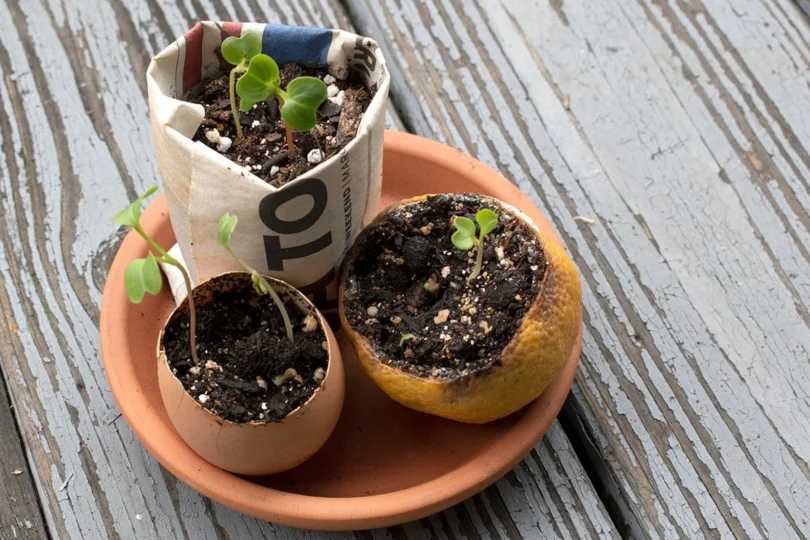
Recycled paper and cardboard products offer the most rapidly decomposing category of biodegradable plant pots for seedlings. Options range from simple newspaper pots folded by hand to commercially produced containers from compressed paper pulp. These budget-friendly choices appeal to cost-conscious gardeners and those who appreciate the ability to make their own pots from household materials.
The rapid decomposition rate, while environmentally beneficial, requires careful timing. Paper-based pots may begin breaking down before you’re ready to transplant if kept consistently moist for extended periods. Using these containers for fast-growing seedlings or ensuring transplant occurs within four to six weeks prevents structural failure before you’re ready to move plants to their permanent locations.
5. Wood Fiber and Bamboo Pots
Manufacturers increasingly offer biodegradable plant pots for seedlings made from sustainably sourced wood fibers or bamboo pulp. These containers combine the structural integrity needed for commercial nursery operations with genuine biodegradability. The natural lignin in wood provides rigidity while remaining permeable to water and root penetration.
Bamboo-based options particularly appeal to sustainability-focused gardeners given bamboo’s rapid growth rate and minimal agricultural input requirements. These pots typically feature thicker walls than paper alternatives, providing better insulation for delicate root systems against temperature fluctuations. The aesthetic appeal of natural wood tones also suits garden center displays and gift-giving scenarios.
How to Use Biodegradable Plant Pots for Seedlings Effectively
Mastering biodegradable plant pots for seedlings requires understanding their unique properties and adjusting your techniques accordingly, as these containers behave differently from the plastic alternatives many gardeners have used for years. While the fundamental process of filling, sowing, and watering remains familiar, the porous, organic nature of biodegradable materials demands specific approaches to moisture management, timing, and transplantation to achieve optimal results. By learning the subtle nuances of working with these eco-friendly containers, from proper pre-moistening to strategic hardening off, you’ll maximize both your seedling success rates and the environmental benefits that make biodegradable plant pots for seedlings such an appealing choice for sustainable gardening.
1. Preparing Your Pots for Planting
Successful use of biodegradable plant pots for seedlings begins with proper preparation. Unlike plastic pots that arrive ready to use, many biodegradable options benefit from pre-moistening to activate their absorbent materials and ensure they don’t wick moisture away from your potting mix. Soaking peat or coir pots in warm water for fifteen to thirty minutes before filling allows them to reach optimal moisture content.
When filling your pots, use a high-quality seed starting mix rather than garden soil, which may contain pathogens or lack the drainage characteristics young seedlings require. Fill containers to within half an inch of the rim to allow for watering without overflow. Gently firm the mix to eliminate large air pockets while maintaining the light, fluffy texture that encourages root development.
2. Sowing Seeds in Biodegradable Containers
Planting seeds in biodegradable plant pots for seedlings follows similar principles to other containers, with a few material-specific considerations. The porous nature of these pots means they dry out faster than plastic alternatives, so positioning them in a humidity dome or covering with plastic wrap during germination helps maintain consistent moisture. Remove covers promptly after germination to prevent fungal issues and provide air circulation.
Space seeds according to package directions, keeping in mind that you’ll likely plant the entire pot rather than separating individual seedlings. This approach works well for plants that don’t mind slight root competition, such as squash or melons, but may require thinning for species preferring more space. Some gardeners plant two or three seeds per pot and thin to the strongest seedling after germination.
3. Watering Techniques for Biodegradable Pots
Water management requires particular attention when using biodegradable plant pots for seedlings because of their absorbent walls. Bottom watering proves highly effective, allowing pots to draw moisture up through their porous bases while keeping surface soil drier and reducing fungal disease pressure. Simply place pots in a tray of water and allow them to absorb what they need, removing excess water after twenty to thirty minutes.
Top watering demands care to avoid washing away soil or creating channels that expose roots. Use a fine rose attachment on your watering can or a spray bottle set to mist for gentle application. The darker color of peat pots accelerates evaporation from the sides, so monitor these containers more frequently than lighter-colored alternatives, especially in warm, sunny locations.
4. Hardening Off and Transplanting
The transition from indoor growing conditions to outdoor environments, known as hardening off, requires gradual exposure over seven to ten days. Biodegradable plant pots for seedlings simplify this process because you can move the entire container outdoors without disturbing roots, then bring it back indoors if weather threatens. This flexibility proves invaluable in regions with unpredictable spring weather.
When planting time arrives, bury the entire pot at the appropriate depth for your specific plant species, ensuring the rim sits below soil level to prevent wicking that could dry out the root ball. Some gardeners tear away the bottom of peat pots to ensure roots encounter no barriers, though this step isn’t strictly necessary if the pot has been adequately moistened and soil conditions support decomposition.
Common Mistakes to Avoid with Biodegradable Plant Pots for Seedlings
Even experienced gardeners encounter pitfalls when first transitioning to biodegradable plant pots for seedlings, as the very properties that make these containers environmentally friendly, porosity, organic composition, and natural decomposition, also create unique challenges unfamiliar to those accustomed to plastic. Understanding the most frequent errors, from overwatering due to misjudged moisture retention to premature decomposition caused by poor timing, prevents frustration and seedling losses while helping you develop intuitive practices that maximize these sustainable containers’ benefits. Learning from others’ missteps with biodegradable plant pots for seedlings accelerates your path to confident, successful eco-friendly gardening without sacrificing plant health or productivity.
1. Overwatering and Fungal Issues
The breathable nature of biodegradable materials, while generally beneficial, can create challenges in humid environments or when gardeners overcompensate for perceived rapid drying. Excess moisture combined with organic pot materials creates ideal conditions for algae growth, moss colonization, or fungal diseases like damping-off. Allowing the surface soil to dry slightly between waterings prevents these issues while still maintaining adequate root zone moisture.
2. Premature Decomposition
Gardeners sometimes express frustration when their biodegradable plant pots for seedlings begin breaking down before transplant time. This typically results from keeping pots consistently saturated or choosing paper-based options for long-term seedling cultivation. Selecting appropriate pot types for your timeline and managing moisture carefully extends container life sufficiently for most seedling needs.
3. Planting Depth Errors
Burying biodegradable pots too shallowly creates a wicking effect where the exposed rim draws moisture from the root ball, causing rapid drying and potential seedling death. Conversely, planting too deeply may delay decomposition if the pot sits below the active soil layer where decomposition occurs most rapidly. Position the pot rim slightly below final soil level for optimal performance.
4. Ignoring Decomposition Rates in Different Soils
Heavy clay soils decompose biodegradable materials more slowly than loose, biologically active garden loam. Gardeners working with challenging soil types may need to assist the process by tearing pots partially open when planting or ensuring consistent soil moisture to encourage microbial activity. Amending planting holes with compost accelerates breakdown and improves overall soil conditions simultaneously.
Best Plants for Biodegradable Plant Pots for Seedlings
Selecting the right plant varieties for biodegradable plant pots for seedlings transforms these sustainable containers from merely eco-friendly choices into powerful tools for horticultural success, as certain species particularly thrive with the reduced transplant shock and enhanced root conditions these pots provide. While nearly any seedling can grow in biodegradable containers, understanding which plants benefit most dramatically, from vegetables with sensitive taproots to flowers demanding seamless establishment, helps you prioritize limited indoor growing space and maximize gardening outcomes. Matching specific plant needs to the unique advantages of biodegradable plant pots for seedlings ensures your sustainable practices deliver both environmental satisfaction and abundant, healthy harvests.
1. Vegetables That Thrive in These Containers
Biodegradable plant pots for seedlings excel with vegetables that resent root disturbance during transplanting. Cucumbers, squash, melons, and pumpkins particularly benefit from the direct-planting approach these containers enable. The cucurbit family develops sensitive taproots that suffer setback when disturbed, making seamless transplantation crucial for maintaining growth momentum.
Tomatoes and peppers, while more forgiving of root handling, also perform excellently in biodegradable containers. These heat-loving plants appreciate the dark-colored peat pots that warm soil and accelerate germination. The extended growing season required for these crops aligns well with the decomposition timeline of coir or peat-based containers.
Root vegetables including beets, carrots, and radishes present unique challenges for transplanting but can succeed when started in biodegradable plant pots for seedlings designed to break down rapidly. Choose paper-based or thin-walled options, and transplant carefully to avoid root curling or restriction that causes malformed vegetables.
2. Flowers and Ornamentals
Annual flowers such as marigolds, zinnias, and cosmos adapt readily to biodegradable containers, producing robust transplants that establish quickly in garden beds. These fast-growing species often outpace container decomposition, ensuring roots never become restricted by persistent pot walls.
Perennial flowers started from seed, including coneflowers, black-eyed Susans, and many native wildflowers, benefit from the reduced transplant shock these pots provide. The extended establishment period perennials require makes seamless root transition particularly valuable for long-term plant health.
3. Herbs and Specialty Crops
Herbs vary in their suitability for biodegradable plant pots for seedlings based on their specific cultural requirements. Basil, parsley, and cilantro thrive in these containers, appreciating the drainage and air circulation they provide. Mediterranean herbs like rosemary, thyme, and lavender, which prefer drier conditions, may experience challenges in rapidly decomposing pots that retain moisture; choose coir or wood fiber options with superior drainage for these species.
Where to Find Quality Biodegradable Plant Pots for Seedlings
Sourcing reliable biodegradable plant pots for seedlings has become increasingly straightforward as environmental consciousness drives mainstream retailers, specialty garden shops, and online marketplaces to expand their sustainable product offerings beyond traditional plastic options. Whether you prefer the immediacy of local garden centers where you can inspect materials firsthand, the vast selection and competitive pricing of e-commerce platforms, or the zero-cost approach of DIY methods using household materials, multiple pathways exist to stock your seed-starting operation with quality biodegradable containers. Knowing where to look and what quality indicators to prioritize ensures your investment in biodegradable plant pots for seedlings delivers both performance and genuine environmental benefit rather than falling prey to greenwashed imitations.
1. Garden Center and Nursery Options
Most well-stocked garden centers now carry at least basic selections of biodegradable plant pots for seedlings, particularly during spring planting seasons. Peat pots remain the most widely available option, typically found in multi-packs of various sizes. Specialty garden shops and organic-focused retailers increasingly stock diverse alternatives including coconut coir and wood fiber options.
When purchasing from physical retailers, inspect packages for damage that might have exposed pots to moisture and begun premature decomposition. Quality products feel firm and dry, without mold spots or soft spots indicating water damage during storage.
2. Online Retailers and Direct Manufacturers
E-commerce platforms offer the widest selection of biodegradable plant pots for seedlings, including specialty sizes and materials unavailable locally. Direct purchase from manufacturers often provides cost savings for bulk quantities needed by serious gardeners or small farms. Many companies now specialize exclusively in sustainable gardening supplies, offering expert guidance alongside their products.
Consider shipping environmental impact when ordering online; purchasing sufficient quantities for multiple growing seasons reduces per-unit shipping emissions compared to frequent small orders. Some manufacturers utilize plastic-free packaging and carbon-neutral shipping to further minimize ecological footprints.
3. DIY Approaches for Budget-Conscious Gardeners
Creating your own biodegradable plant pots for seedlings from newspaper, cardboard tubes, or other household materials costs virtually nothing while recycling waste streams. Numerous online tutorials demonstrate folding techniques for newspaper pots that remain stable through the seedling phase. Toilet paper tubes, cut in half and folded at the bottom, serve as instant biodegradable containers for larger seeds like beans and squash.
While homemade options lack the consistency and convenience of commercial products, they offer complete control over materials and sizing. Gardeners concerned about peat harvesting or specific manufacturing processes appreciate the transparency of DIY approaches.
Frequently Asked Questions (FAQ)
Biodegradable plant pots for seedlings generate numerous questions from gardeners transitioning from traditional plastic containers or beginning their first seed-starting adventures. Understanding the practical realities of these products helps set realistic expectations and ensures successful implementation in your specific gardening context.
1. How long do biodegradable plant pots for seedlings take to decompose?
Decomposition timelines vary dramatically based on material composition, soil conditions, moisture levels, and microbial activity. Paper-based pots may break down within two to four weeks in active garden soil, while peat pots typically require six to twelve weeks. Coconut coir and wood fiber options often persist for several months, particularly in drier climates or less biologically active soils. The decomposition process begins immediately upon soil contact but completes only when environmental conditions support active microbial breakdown.
2. Can I reuse biodegradable plant pots for seedlings for multiple growing seasons?
These containers design for single-use application, with decomposition beginning upon first moisture contact. Attempting to reuse them typically results in structural failure during the second use as materials have already begun breaking down. The economic and environmental cost of manufacturing these pots remains low enough that single use still represents improvement over plastic alternatives, particularly when considering the elimination of transplant shock and root disturbance.
3. Do biodegradable plant pots for seedlings cost more than plastic options?
Initial purchase price typically runs higher than basic plastic pots, with peat pots costing roughly double equivalent plastic sizes and premium options like coconut coir commanding higher prices still. However, factoring in hidden costs changes this equation significantly. Plastic pots require cleaning and storage between seasons, demand careful transplanting techniques that cost time and occasionally sacrifice plants to transplant shock, and carry environmental costs increasingly recognized as unsustainable. Many gardeners find the total cost of ownership comparable or favorable toward biodegradable options.
4. Will roots grow through biodegradable plant pots for seedlings before I’m ready to transplant?
Root penetration through pot walls indicates healthy, vigorous growth and causes no problems for plant health. These “air-pruned” roots actually develop more fibrous, branched systems than those circling plastic container walls. If roots extensively penetrate pots before outdoor planting conditions arrive, simply transplant into larger biodegradable containers rather than attempting to remove the original pot. Alternatively, maintaining moderate moisture levels rather than constant saturation slows root penetration slightly while remaining healthy for plants.
5. Are all biodegradable plant pots for seedlings truly environmentally friendly?
The term “biodegradable” lacks standardized regulation, leading to some products making claims that don’t hold up in real garden conditions. Some “biodegradable” plastics require industrial composting facilities unavailable to home gardeners, persisting indefinitely in backyard soil. Genuine biodegradable plant pots for seedlings come from plant-based materials without synthetic polymer additives, breaking down through natural processes in typical garden environments. Researching specific materials and manufacturer reputation ensures you select truly sustainable options rather than greenwashed products.
6. Can I use biodegradable plant pots for seedlings for hydroponic or indoor growing systems?
These containers suit soil-based growing exclusively, as their porous nature and decomposition behavior conflict with hydroponic system requirements. Indoor use in soil-based systems works well, though placement on waterproof trays prevents moisture damage to surfaces. The potential for fungal growth in humid indoor environments requires careful ventilation and moisture management compared to outdoor use.
Making the Switch: Your Action Plan
Transitioning to biodegradable plant pots for seedlings requires minimal adjustment to your existing gardening practices while yielding significant environmental and horticultural benefits. Start by selecting one or two plant varieties for your first season using these containers, allowing you to learn their specific moisture requirements and decomposition behavior before committing your entire garden.
Experiment with different materials to discover which biodegradable plant pots for seedlings best suit your specific climate, soil type, and plant preferences. Many gardeners find peat pots ideal for spring vegetables while preferring coconut coir for long-term perennials or summer annuals. Your local conditions and gardening style ultimately determine optimal choices.
Share your experiences with gardening communities to contribute to collective knowledge about these sustainable alternatives. As demand grows for genuinely biodegradable plant pots for seedlings, manufacturers respond with improved products, expanded selections, and competitive pricing that benefits all environmentally conscious gardeners. Your individual choices collectively drive market transformation toward sustainable horticultural practices that nurture both plants and planet.
Final Thoughts on Biodegradable Plant Pots for Seedlings
Biodegradable plant pots for seedlings represent more than a simple product substitution, they embody a shift toward gardening practices that honor the interconnectedness of soil health, plant vitality, and environmental stewardship. By choosing these sustainable containers, you eliminate plastic waste from your gardening activities while potentially improving outcomes for the plants you nurture. The convenience of direct planting, reduced transplant shock, and the satisfaction of genuine sustainability make these pots an intelligent choice for gardeners at every experience level. Whether you’re starting your first tomato seeds or managing extensive market garden operations, biodegradable plant pots for seedlings offer a practical path toward greener growing that benefits your garden and the broader ecosystem alike.