Best Low Light Bathroom Plants That Absorb Humidity

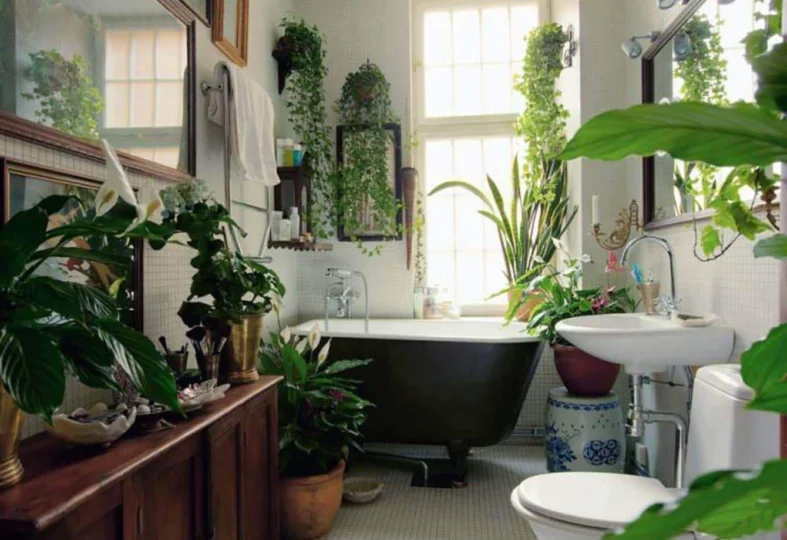
Low light bathroom plants that absorb humidity are the perfect solution for transforming your damp, dim bathroom into a fresh, spa-like retreat. If you struggle with excess moisture, mold concerns, or simply want to add some greenery to a windowless space, these hardworking houseplants pull double duty by thriving in shade while naturally dehumidifying the air.
What Makes a Plant Perfect for Humid, Low Light Bathrooms
Not every houseplant can handle the unique challenges of a bathroom environment. The best candidates share a few key traits: they tolerate or prefer indirect light, they love high humidity, and they actively absorb moisture from the air through their leaves. According to experts, plants like peace lilies and Boston ferns are particularly effective at this because they have high transpiration rates, which means they pull water from the air as part of their natural growing process.
When choosing bathroom plants, look for varieties that naturally grow in tropical understories or forest floors. These plants evolved to survive in damp, shaded conditions, making them ideal for bathrooms with minimal natural light.
Top Low Light Bathroom Plants That Absorb Humidity
The following houseplants have proven themselves as champions of dark, damp spaces. Each one brings unique beauty to your bathroom while working hard to pull excess moisture from the air, helping prevent mold and mildew naturally.
1. Snake Plant
The snake plant, also known as mother-in-law’s tongue, is practically indestructible and thrives in conditions that would kill most houseplants. This upright succulent with tall, blade-like leaves can survive in near-total darkness while actively filtering toxins like formaldehyde from the air. In humid bathrooms, you barely need to water it, just let the soil dry completely between waterings. It’s perfect for small spaces since it grows vertically rather than spreading out.
2. Boston Fern
If you want a plant that absolutely loves bathroom humidity, the Boston fern is your best bet. This tropical plant with lacy, arching fronds actually prefers the steamy conditions created by hot showers. It absorbs moisture directly from the air through its leaves, helping to balance humidity levels naturally. While it prefers some indirect light, it can adapt to lower light conditions. Just keep the soil consistently moist and give it an occasional mist if your bathroom air gets too dry in winter.
3. Peace Lily
Peace lilies are superstar moisture absorbers that can survive with minimal or even no watering in humid bathrooms because they pull water directly from the air. Their glossy green leaves and elegant white blooms add a touch of sophistication to any space. According to NASA research, peace lilies are among the most efficient plants at removing indoor air pollutants like benzene and formaldehyde. They prefer low to medium indirect light and will droop dramatically when they need water, making them easy to read. Note that they are mildly toxic if ingested, so keep them away from pets and small children.
4. Spider Plant
Spider plants are incredibly forgiving and adaptable, making them perfect for beginner plant parents. Their long, slender leaves with white stripes cascade beautifully from hanging baskets or shelves. These plants can remove up to 90% of pollutants and moisture from the air, making them excellent natural dehumidifiers. They thrive in low to bright indirect light and produce baby spider plants that you can propagate into new plants. Just allow the top inch of soil to dry out between waterings to prevent root rot.
5. Pothos
Also called devil’s ivy, pothos is a fast-growing vine that seems to thrive on neglect. Its heart-shaped, glossy leaves are excellent at absorbing moisture, and it can tolerate everything from bright indirect light to dim corners. This plant is nearly impossible to kill and can grow several feet long, making it perfect for trailing down from high shelves or climbing up a trellis. Water only when the top two inches of soil feel dry.
6. ZZ Plant
The ZZ plant is another nearly indestructible option that tolerates low light and high humidity with equal ease. Its glossy, dark green leaves arranged in pairs along tall stems add a modern, architectural touch to bathroom decor. This plant only needs watering every two to three weeks, making it perfect for busy people or guest bathrooms that don’t get daily attention. It can survive with minimal natural or even just fluorescent lighting.
7. English Ivy
English ivy is a classic trailing plant that excels at absorbing moisture and filtering formaldehyde from the air. It’s particularly good at reducing mold growth in damp areas. This vine prefers hanging baskets where its stems can cascade down, and it tolerates low light conditions well. Keep the soil consistently moist for best results, and trim it regularly to encourage bushy growth.
8. Bird’s Nest Fern
With its broad, wavy fronds that unfurl from a central rosette, the bird’s nest fern makes a striking statement in any bathroom. It loves the humidity and low light conditions typical of bathrooms and will develop beautiful dark green leaves in these conditions. Unlike some ferns, it’s relatively low maintenance, just keep the soil lightly moist and avoid direct sunlight.
9. Cast Iron Plant
True to its name, the cast iron plant is incredibly tough and can handle low light, high humidity, and temperature fluctuations that would stress other plants. It’s excellent at absorbing excess moisture from the air and requires minimal watering. Its broad, dark green leaves add a lush, tropical feel to bathroom spaces without demanding much attention.
10. Air Plants
Tillandsias, or air plants, are unique because they don’t need soil at all. They absorb all their moisture and nutrients directly from the air through specialized scales on their leaves. This makes them perfect for humid bathrooms where they can thrive with minimal care. Just soak them in water for 20-30 minutes every week or two and give them bright, indirect light.
How to Care for Humidity-Absorbing Bathroom Plants
Even low-maintenance plants need some basic care to thrive. Here are a few tips to keep your bathroom greenery healthy:
- Rotate your plants occasionally if your bathroom has no windows. Even low light plants benefit from occasional exposure to brighter conditions, so consider moving them to a sunnier spot for a few days every few weeks.
- Avoid overwatering. Since these plants absorb moisture from the air, they typically need less frequent watering than they would in drier rooms. Always check the soil moisture before adding water.
- Dust the leaves periodically. Clean leaves can absorb light and moisture more efficiently, so wipe them down with a damp cloth every few weeks.
- Watch for signs of trouble. Yellow leaves usually indicate overwatering or too much direct light, while brown leaf tips often signal low humidity or fluoride in tap water.
Quick Reference: Best Plants by Bathroom Condition
This comprehensive comparison table breaks down the top humidity-absorbing bathroom plants by their specific needs and characteristics, making it simple to match the right greenery to your unique space. Whether you have a windowless powder room with only fluorescent lighting or a spacious master bath with some natural light filtering through frosted glass, this guide helps you identify which plants will thrive in your conditions. We have evaluated each variety based on how much light it requires, how much humidity it prefers, and how much attention it demands from you, so you can make an informed decision without any guesswork.
| Plant | Light Needs | Humidity Love | Care Level |
|---|---|---|---|
| Snake Plant | Low to bright | High | Very Easy |
| Boston Fern | Low to medium | Very High | Moderate |
| Peace Lily | Low to medium | Very High | Easy |
| Spider Plant | Low to bright | High | Very Easy |
| Pothos | Low to bright | High | Very Easy |
| ZZ Plant | Low to medium | Moderate | Very Easy |
| English Ivy | Low to medium | High | Moderate |
| Bird’s Nest Fern | Low to medium | Very High | Easy |
| Cast Iron Plant | Low | High | Very Easy |
| Air Plants | Bright indirect | Very High | Easy |
Frequently Asked Questions (FAQ)
Many people have questions about using plants to manage bathroom humidity and choosing the right varieties for low light conditions. This FAQ section addresses the most common concerns we hear from readers who want to add greenery to their bathrooms but are not sure where to start. Whether you are worried about plant safety around pets, confused about watering schedules in humid environments, or wondering if your windowless bathroom can support any plant life at all, we have got you covered with clear, practical answers based on expert advice and real-world experience.
1. Can plants really reduce bathroom humidity?
Yes, certain plants can help reduce humidity levels by absorbing moisture from the air through their leaves. Plants like Boston ferns, peace lilies, and spider plants are particularly effective because they naturally thrive in humid conditions and have high transpiration rates.
2. What if my bathroom has no windows at all?
Several plants can survive in windowless bathrooms with just artificial light. Snake plants, ZZ plants, pothos, and cast iron plants are your best options. Just rotate them into a brighter room every few weeks to give them a light boost, or consider adding a small grow light.
3. How often should I water bathroom plants?
Generally, you’ll water bathroom plants less frequently than those in other rooms because they absorb moisture from the air. Most low light bathroom plants need watering only every one to three weeks, depending on the specific plant and your bathroom’s humidity levels. Always check the soil before watering.
4. Are these plants safe for pets?
Some bathroom plants are pet-friendly, like spider plants and Boston ferns, while others are toxic if ingested. Peace lilies, pothos, and English ivy can cause problems if eaten by cats or dogs. If you have pets, research each plant’s toxicity or place them out of reach.
5. Why are my bathroom plant leaves turning yellow?
Yellow leaves usually indicate overwatering, which is easy to do in humid bathrooms since plants absorb moisture from the air. It can also signal too much direct sunlight or poor drainage. Adjust your watering schedule and check that your pots have drainage holes.
Final Thoughts on Low Light Bathroom Plants That Absorb Humidity
Adding low light bathroom plants that absorb humidity is one of the easiest ways to improve your bathroom’s air quality while creating a relaxing, spa-like atmosphere. Whether you choose the nearly indestructible snake plant, the humidity-loving Boston fern, or the elegant peace lily, these natural dehumidifiers will help keep moisture levels in check while bringing life to even the dimmest bathroom corners. Start with one or two varieties that match your light conditions and care style, and enjoy the benefits of cleaner, fresher air.